Connect with us
Anglostratits

Business

Afreximbank calls for greater investment in factoring to unlock US$300 billion small and medium-sized enterprise (SME) financing gap in Africa

Published

on

Afreximbank

Afreximbank has set an ambition to increase African factoring volumes to at least €240 billion, equivalent to approximately 10 per cent of the continent’s GDP

GABORONE, Botswana, November 23, 2026/APO Group/ –Afreximbank (www.Afreximbank.com) has called for stronger partnerships, improved regulatory frameworks and increased investment in factoring and supply chain finance to expand access to working capital for small and medium-sized enterprises (SMEs) across Africa.


SMEs account for more than 90% of businesses and contribute over 60% of employment and GDP across the continent. Yet, they continue to face significant financing constraints, with Africa’s annual SME financing gap estimated at US$300 billion.

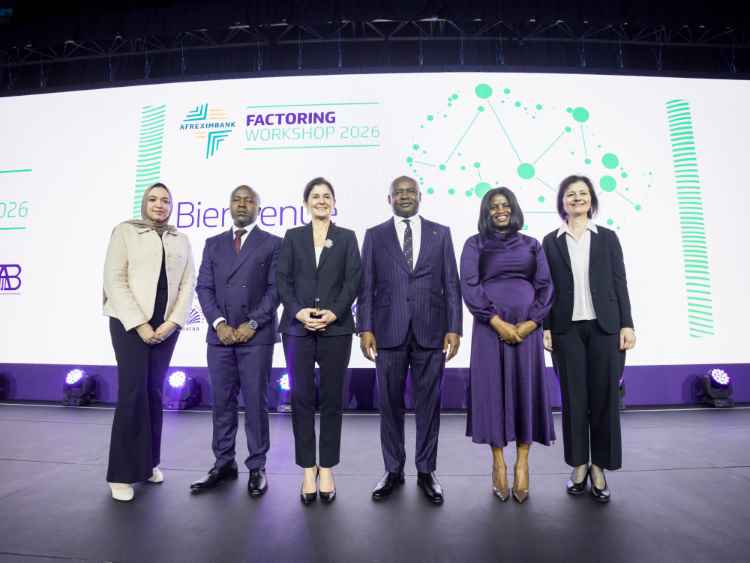
Speaking at the annual Afreximbank Factoring Workshop held in Gaborone, Botswana, held under the theme “Unlocking Working Capital for Africa’s Growing Businesses through Factoring and Supply Chain Finance”, Eric Intong Monchu, Group Managing Director, Client Relations at Afreximbank and Chairperson of the FCI Africa Chapter, representing Mrs Kanayo Awani, Executive Vice-President Intra-African Trade and Export Development at Afreximbank, highlighted the growing potential of factoring as an alternative financing solution for businesses with limited access to traditional bank lending. Factoring enables businesses to convert outstanding invoices into immediate working capital, helping them manage cash flow, meet operational expenses, and fulfil new orders without waiting for customers to settle their accounts. Combined with supply chain finance, it offers an important way to address liquidity constraints, strengthen supplier relationships, and enable businesses to participate more effectively in domestic, regional, and international trade.

We cannot close the continent’s US$300 billion SME financing gap through traditional lending alone

“Factoring and supply chain finance are critical instruments for addressing Africa’s working capital constraints and unlocking the growth potential of our SMEs. We cannot close the continent’s US$300 billion SME financing gap through traditional lending alone. We must diversify financing solutions, strengthen the legal and regulatory environment, and build the institutional capacity needed to make receivables-based financing more accessible to businesses across Africa,” he said.

Monchu said that global factoring volumes increased from €3.1 trillion in 2021 to €3.9 trillion in 2025, while African volumes rose from €32 billion to €51 billion over the same period.

Highlighting the scale of the opportunity, Mr Monchu said that African factoring volumes had more than doubled, from €21.6 billion in 2017 to €51.4 billion in 2025, with nearly 200 factoring companies now operating across the continent.

During the opening remarks of the workshop, Ms Betül Kurtulus, Secretary General of the FCI, the global representative body for factoring and the financing of open-account domestic and international trade receivables, said: “Our objective is to support financial institutions in building sustainable factoring businesses. As African businesses enter new markets, they need financial institutions to support them beyond their national borders. This is where FCI’s international network can make a real difference. If trade can move across borders, finance must be able to follow.”

Afreximbank has set an ambition to increase African factoring volumes to at least €240 billion, equivalent to approximately 10 per cent of the continent’s GDP. Achieving this target will require sustained financing for factoring institutions, stronger legal and regulatory frameworks, greater technical expertise and deeper collaboration across the financial services industry.

Afreximbank also reaffirmed its commitment to working with FCI and its Africa Chapter, Botswana’s financial institutions and other stakeholders to build a stronger, more inclusive factoring ecosystem that unlocks working capital for SMEs, strengthens regional supply chains and accelerates intra-African trade under the African Continental Free Trade Area (AfCFTA).

Distributed by APO Group on behalf of Afreximbank.


Business

From solar power to sustainable farming: Africa’s Green Economy Summit unveils over US$500 million in investment opportunities

Published

on

solar

New Infrastructure and SMME Deal Books spotlight 20 projects across 13 African countries ahead of the February 2027 summit in Cape Town

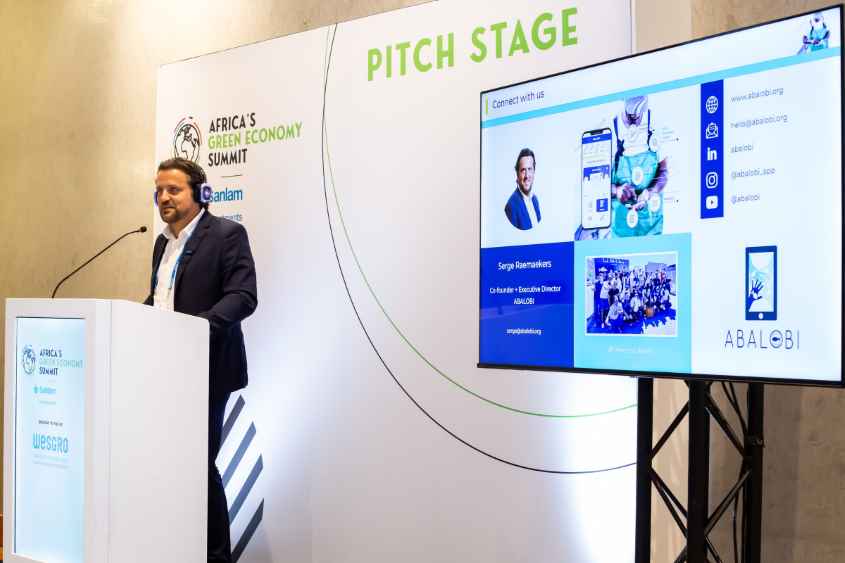
CAPE TOWN, South Africa, November 25, 2026/APO Group/ –Solar developments in Zimbabwe, battery reuse in Kenya and clean technology manufacturing in Nigeria are among the projects featured in the newly released Investment Deal Books from Africa’s Green Economy Summit (https://apo-opa.co/48YuThr) (AGES). Together, the two publications introduce the first 20 confirmed projects across 13 African countries, collectively seeking more than US$500 million in investment.


From Zimbabwe and South Africa to Kenya, Nigeria and Egypt, Africa’s Green Economy Summit will bring together investors, policymakers and project developers, connecting expertise, capital and enterprise from across the continent.

The Infrastructure Deal Book and SMME Deal Book provide investors, financiers and development partners with information on project maturity, capital sought and commercial models. Their publication precedes the summit’s fifth edition, taking place from 23 to 26 February 2027 at the Century City Conference Centre (https://CCConferenceCentre.co.za) in Cape Town.

The release comes amid record renewable energy expansion worldwide. According to the International Renewable Energy Agency’s Renewable Capacity Statistics 2026 (https://apo-opa.co/4A5nad0), global renewable power capacity increased by 692 GW in 2025, with Africa recording its largest annual addition of 11.3 GW. The Deal Books feature proposed renewable energy developments alongside businesses addressing agricultural productivity, resource efficiency and climate resilience.

Infrastructure projects span energy and agriculture

The Infrastructure Deal Book profiles larger developments at different stages of preparation, outlining their financing structures, milestones and routes to implementation.

Featured projects include MamboAnesu Energy, a phased solar project in Zimbabwe with a planned total capacity of 200 MW, and Eden Menia Egypt Farm, which integrates modern irrigation, renewable energy and digital farm management in Egypt.

In Kenya, Spiro ESS aims to repurpose electric motorcycle batteries into stationary energy storage systems. The proposed programme connects electric mobility with energy storage, extending battery lifecycles and supporting more reliable electricity supply.

The powerful conversations, insights, projects, investment landscape, and networks were both magical and fierce, reflecting a continent moving from ambition to implementation

Growing businesses bringing African solutions to market

The SMME Deal Book features enterprises across clean energy, manufacturing, sustainable agriculture and climate technology.

Among them are Powerbox Energy Systems in Nigeria, which manufactures modular solar and battery systems locally, and Adsorb Technologies in South Africa, which converts agricultural and forestry residues into activated carbon for industrial applications.

Their profiles outline plans to expand production, establish commercial partnerships and reach wider markets.

Turning project visibility into investor engagement

The Deal Books allow investors to review projects against their investment mandates before meeting developers. Curated matchmaking and pitch sessions provide a setting for more detailed financing discussions.

Reflecting on her participation at the previous summit, Gertrude Ogojiaku, CEO of Asoba, said:

“AGES was an awesome event. The powerful conversations, insights, projects, investment landscape, and networks were both magical and fierce, reflecting a continent moving from ambition to implementation.”

“Driving e-mobility and the energy transition requires a collaborative ecosystem of partners. For Spiro, connecting with asset financiers, banks, infrastructure investors and solar and energy-storage providers is essential to scaling our operations across Africa. Platforms like AGES create opportunities to bring these stakeholders together and build the partnerships needed to accelerate growth.”

– Kaushik Burman, CEO, Spiro Mobility

Both Deal Books are now available to download, with further details on the featured businesses, infrastructure proposals and financing plans.

Distributed by APO Group on behalf of VUKA Group.


Continue Reading

Business

Afreximbank extends €30-million line of credit to dfcu Bank, Uganda

Published

on

Afreximbank

Under the terms of the agreement, dfcu Bank will utilise the funding to support lending to eligible sub-borrowers operating across Uganda’s export value chain

KAMPALA, Uganda, November 24, 2026/APO Group/ –In a move aimed at strengthening its support for the Ugandan economy, African Export-Import Bank (Afreximbank) (www.Afreximbank.com) has extended a €30-million revolving short-term line of credit facility to dfcu Bank. This marks Afreximbank’s first-ever extension of such a facility to a Ugandan bank.


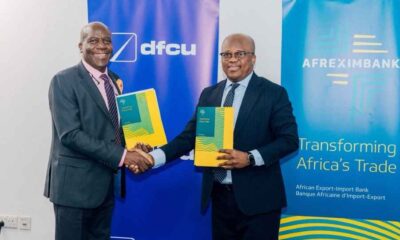
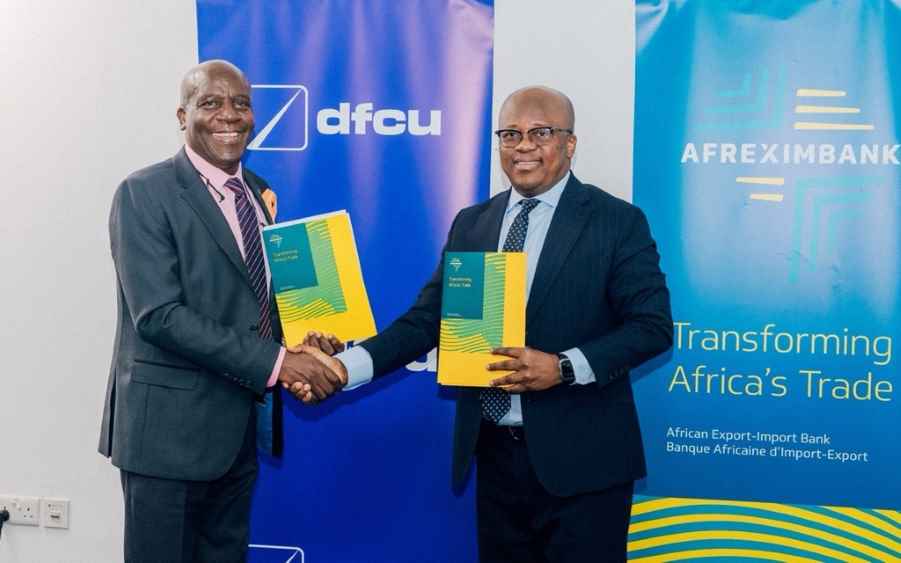
At a signing ceremony held on 24 November 2026 at Afreximbank’s Regional Headquarters in Kampala, Uganda, Mr Humphrey Nwugo, Afreximbank’s Regional Director for Eastern Africa, and Mr Charles Mudiwa, Chief Executive Officer of dfcu Bank, signed the financing agreement.

Under the terms of the agreement, dfcu Bank will utilise the funding to support lending to eligible sub-borrowers operating across Uganda’s export value chain. These include businesses in agribusiness, manufacturing, trade and business, infrastructure and energy, financial services, hospitality and logistics, among others, requiring financing for working capital and capital expenditure.

At dfcu, we believe that access to capital is a catalyst for transformation

The facility is also expected to provide the much-needed offshore funding, necessary to meet the significant funding requirements key to unlocking the tenfold growth of the Ugandan economy.

Highlighting the significance of the transaction, Mr Humphrey Nwugo, Afreximbank’s Regional Director for Eastern Africa, said:

“This facility has the potential to contribute significantly to improving access to trade finance, trade-related financing and project financing in Uganda, particularly for eligible exports, value-added exports and transactions in the agribusiness, manufacturing, trade, infrastructure and energy, financial services, hospitality and logistics sectors. It also supports the implementation of Afreximbank’s mandate to promote the export of value-added commodities and manufactured products from its member states. Furthermore, it is consistent with Afreximbank’s strategy of financing exports that increase the foreign exchange-earning capacity of our member countries and enhance their productivity.”

Emphasising the importance of the transaction, Mr Charles Mudiwa, CEO of dfcu Bank, said:

“At dfcu, we believe that access to capital is a catalyst for transformation. This €30-million facility from Afreximbank enhances our capacity to finance businesses that are expanding Uganda’s productive economy, strengthening export value chains and creating sustainable growth opportunities. Beyond funding, this partnership demonstrates a shared commitment to unlocking Africa’s trade potential and empowering enterprises to compete more effectively in regional and international markets. Together, we are enabling businesses to scale, create jobs and contribute meaningfully to Uganda’s economic prosperity.”

Distributed by APO Group on behalf of Afreximbank.


Continue Reading

Business

Visa strengthens its commitment to Cameroon with the opening of a representative office in Douala

Published

on

Visa

This local presence will enable Visa to deepen its engagement and collaboration with clients, partners, and public and private stakeholders, supporting efforts to advance an increasingly inclusive, innovative, and secure digital payments ecosystem in Cameroon

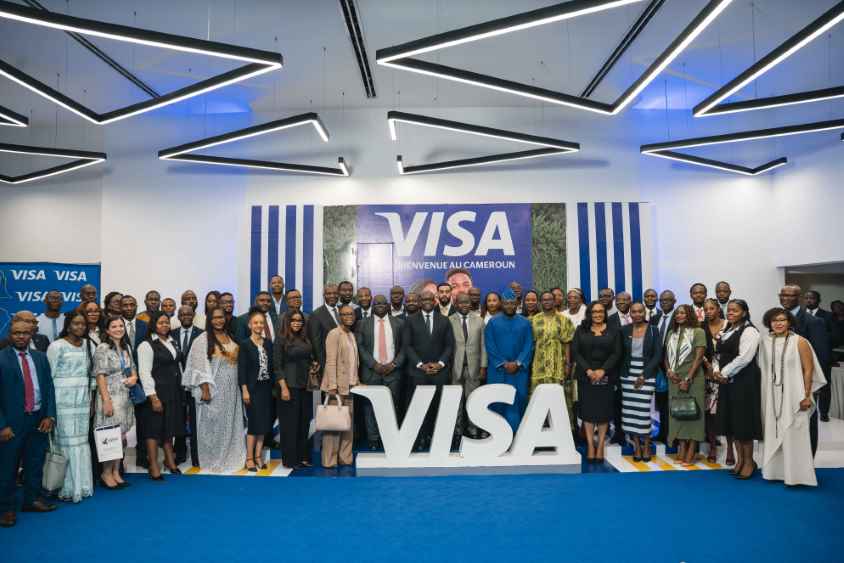
DOUALA, Cameroon, November 24, 2026/APO Group/ –Visa (www.Visa.com) (NYSE: V), a world leader in digital payments, announced the opening of its representative office in Douala during the official launch event for Visa in Cameroon.


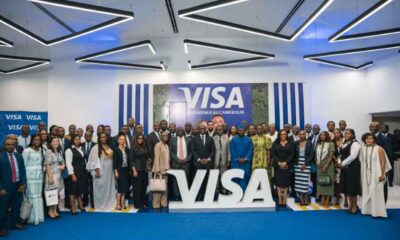
Held on 23 November, the event brought together representatives of the Government, regulatory authorities, leaders of financial institutions, fintechs, and key stakeholders from the payments and digital finance ecosystem.

Located in Douala, the representative office will enable Visa to engage more closely with its clients and partners, deepen its understanding of market needs, and facilitate access to Visa’s global expertise and capabilities in support of local priorities.

A local presence supporting Cameroon’s digital ambitions

Visa has worked alongside Cameroon’s payments ecosystem for several years, collaborating with stakeholders across the market to support broader access to secure, convenient, and innovative digital payments.

The opening of our representative office reflects our commitment to strengthening our local presence alongside our partners in Cameroon

The opening of the representative office further strengthens this commitment. Working with public and private stakeholders, Visa aims to support Cameroon’s digital transformation ambitions and the priorities set out in the National Development Strategy 2020–2030 (NDS30).

This local presence will facilitate stakeholder engagement, knowledge sharing and collaboration in areas including digital payment acceptance, e-commerce, financial inclusion, the modernization of financial institutions’ payment capabilities, fintech-driven innovation, and payment security.

“The opening of our representative office reflects our commitment to strengthening our local presence alongside our partners in Cameroon. By bringing Visa’s global expertise and insights closer to market needs, we aim to support innovation and contribute to the development of a digital economy that is accessible to as many people as possible,” said Ismahill DIABY, Vice President and General Manager for Francophone and Lusophone West and Central Africa.

Strengthening partnerships closer to the market

Asaph Tchounga will lead Visa’s representative office in Cameroon as Country Manager. With sixteen years of experience in payments and financial services, he joined Visa in 2021. His responsibilities will include strengthening relationships with local partners and supporting Visa’s engagement with the market.

“Our representative office in Douala will allow us to engage even more closely with our clients and partners, deepen our understanding of the Cameroon market, and support collaboration around local priorities. Our ambition is to work closely with the entire ecosystem, contribute meaningfully to the evolution of the local payment landscape, and support broader access to financial services,” said Asaph Tchounga, Country Manager for Visa in Cameroon.

The Cameroon office is one of Visa’s five representative offices, alongside Abidjan, Lagos, Accra, and Kinshasa, serving the 23 countries of the West and Central Africa region.

Distributed by APO Group on behalf of Visa Inc..


Continue Reading

Trending