Connect with us
Anglostratits

Energy

South Sudan Reforms Target New Investment Push as African Energy Chamber (AEC) Backs Oil Sector Revival

Published

on

African Energy Chamber

A working visit to the country by the African Energy Chamber identified opportunities to promote investment as South Sudan pursues production growth and reform

JUBA, South Sudan, July 17, 2026/APO Group/ –South Sudan is taking steps to reposition itself as a strategic destination for foreign investment, with a renewed focus on attracting capital across the oil value chain. During a working visit to Juba, the African Energy Chamber (AEC) (https://EnergyChamber.org/) – which serves as the voice of the African energy sector – engaged with government officials and industry stakeholders to identify priority reforms designed to stimulate new capital flows, increase production and advance projects across both upstream and downstream segments.

The visit reflects a shared recognition that while South Sudan remains one of the continent’s most resource-rich oil frontiers, lack of investment has disrupted the country from unlocking the full potential of its hydrocarbon reserves. The government seeks to address this challenge by implementing new reforms aimed at strengthening the investment climate, ensuring clearer regulatory frameworks and incentivizing greater participation from both international and regional operators.

South Sudan possesses the resource potential to become one of Africa’s most compelling frontier investment destinations

With proven oil reserves of 3.5 billion barrels, South Sudan is both a legacy oil producer and currently the only major oil producer in East Africa. Production is largely led by the national oil company Nilepet, alongside Dar Petroleum Operating Company, Greater Nile Petroleum Company – operated by China National Petroleum Company – and Sudd Petroleum Operating Company. South Africa’s Strategic Fuel Fund also holds a 90% stake in the Block B2 concession, with plans to advance exploration while assessing opportunities for refining development.

Current production ranges between 70,000 barrels per day (bpd) and 100,000 bpd, with approximately 8.5 million to 12.2 million barrels of production estimated between August and November 2026. The government seeks to raise these numbers by attracting investment across the entire oil value chain, facilitating greater exports while addressing key national challenges such as fuel security and power generation. Oil represents the backbone of South Sudan’s economy, and the government seeks to cement this position by introducing reforms aimed at alleviating the country’s energy crisis.

To achieve this, the government has committed to reduce barriers to investment, improve project execution and create a more predictable environment for energy companies. Discussions also explored opportunities across natural gas, power generation and associated infrastructure, recognizing that diversified energy investment will be essential to supporting long-term economic development. The AEC reaffirmed its commitment to promote South Sudan on a global stage, taking the country’s energy story to a global audience.

Beyond oil and gas production, a major focus of the working visit was strengthening local content. Parties discussed strategies to increase employment opportunities for South Sudanese workers, while developing local value chains and ensuring that future projects generate broader economic benefits beyond production revenues. By increasing international visibility, the Chamber aims to position South Sudan alongside other emerging African energy markets competing for exploration and infrastructure capital.

“South Sudan possesses the resource potential to become one of Africa’s most compelling frontier investment destinations, but attracting capital requires sustained engagement with the global investment community. The Chamber will champion South Sudan’s opportunities on the international stage, connecting investors with government and industry leaders while supporting reforms that create a stable, competitive and investable energy sector capable of delivering long-term growth,” said NJ Ayuk, Executive Chairman of the AEC.

Distributed by APO Group on behalf of African Energy Chamber.

Business

Algeria Energy Minister Brings Regional Power Expertise to MSGBC 2026

Published

on

Etu Energias

Minister Mourad Adjal joins Algeria’s Hydrocarbon Minister Mohamed Arkab at the Dakar conference, bringing new perspectives on power and renewable energy development

DAKAR, Senegal, October 22, 2026/APO Group/ –Algeria’s Minister of Energy and Renewable Energies Mourad Adjal will participate as a speaker at MSGBC Oil, Gas & Power 2026, bringing senior government expertise on gas, power infrastructure, renewable energy and regional energy integration to the event’s investment and policy discussions. Minister Adjal joins Algeria’s Hydrocarbons Minister Mohamed Arkab at the event, taking place December 1–3 in Dakar.


His participation comes as Algeria advances major renewable energy and hydrogen programs while strengthening its position as a regional energy partner. The country is implementing a 15,000 MW renewable energy program through 2035, with a first phase comprising 3,200 MW of solar capacity currently underway. The program offers relevant experience for MSGBC countries seeking to expand generation capacity while integrating larger shares of renewable power into their energy systems.

Hydrogen is also becoming a major component of Algeria’s energy strategy. The country is participating in the SoutH2 Corridor, which aims to establish infrastructure linking North African hydrogen production with European markets, while the Algeria-Europe Alliance for Hydrogen is progressing toward the publication of its feasibility study results in 2027.

These developments have direct relevance to the MSGBC region, where Mauritania and Senegal are positioning themselves for large-scale green hydrogen development alongside expanding oil and gas production. The combination of new generation capacity, transmission infrastructure and export-oriented energy projects is creating growing demand for integrated regional energy systems.

Minister Adjal also brings extensive experience from Algeria’s electricity and gas sector at a time when MSGBC countries are developing gas-to-power infrastructure and cross-border energy connections. Senegal is advancing domestic gas utilisation and new power capacity, while Mauritania is combining LNG development with emerging hydrogen projects and wider plans for energy-intensive industrial development.

Before becoming minister in September 2025, Adjal served as Chairman and CEO of Sonelgaz, Algeria’s state-owned electricity and gas utility, from December 2021. He previously led the Electricity and Gas Distribution Company and held senior regional roles including President of the Mediterranean Transmission System Operators Association and Chairman of the Maghreb Electricity Committee.

His participation adds senior North African perspective to an MSGBC market increasingly focused on converting resource discoveries into producing assets, reliable power and integrated infrastructure. As Senegal, Mauritania and neighbouring markets develop gas, electricity and renewable projects, Adjal’s experience across utility-scale energy systems will contribute to discussions on building the infrastructure required for the region’s next phase of growth.

MSGBC Oil, Gas & Power will convene international operators, service companies and investors in Dakar to explore opportunities across the region’s energy sector. To secure a delegate pass or learn more, visit www.MSGBCOilGasandPower.com or email sales@energycapitalpower.com.

Distributed by APO Group on behalf of Energy Capital & Power.


Continue Reading

Energy

Dangote Refinery Chief Executive Officer (CEO) Joins South Sudan Oil & Power (SSOP) 2026 as $1.8B Kenya Expansion Opens Regional Distribution Opportunities

Published

on

Etu Energias

David Bird’s participation comes as Dangote advances its East African refining and distribution strategy, anchored by a 700,000-bpd Lamu Refinery and 25% stake in KPC

JUBA, South Sudan, October 22, 2026/APO Group/ –Dangote Petroleum Refinery and Petrochemicals is expanding its footprint across East Africa, with a $16 billion refinery planned in Kenya and a $335 million investment in Kenya Pipeline Company (KPC). As these developments open new opportunities for regional petroleum trade, the company’s CEO and Managing Director David Bird has joined the South Sudan Oil & Power (SSOP) 2026 conference as a speaker.


Taking place in Juba on November 24-25, SSOP returns for its seventh edition as the nation’s premier platform for investment, dealmaking and policy. Bird’s participation comes as South Sudan looks to translate its resource potential into renewed exploration, higher production and greater participation in regional petroleum value chains. With major downstream investment reshaping East Africa’s energy market, SSOP 2026 offers an opportunity for producers, refiners and investors to establish the partnerships needed to advance regional energy trade and unlock new commercial opportunities.

The event arrives at a strategic time for Dangote. On September 30, the company officially broke ground on a 700,000-barrel-per-day (bpd) refinery in Lamu, Kenya. Set to come online in 2029, the facility is designed to supply gasoline, diesel and jet fuel to East African markets, with regional governments offered a combined 30% stake in the project. The project aims to replicate Dangote’s 650,000-bpd Nigerian facility, which is currently operating at full capacity and is set to expand to 1.2 million bpd. A delegation from South Sudan attended the Lamu groundbreaking ceremony, underscoring the country’s commitment to strengthening regional petroleum ties.

https://apo-opa.co/4zQaHcU

Beyond the Lamu facility, Dangote is strengthening its footprint across East Africa’s distribution networks. Just this month, the company acquired a 25% stake in KPC, securing access to established infrastructure transporting petroleum products from Kenya’s coast to regional markets, including Uganda, Rwanda, South Sudan and the Democratic Republic of the Congo. Following the $335 million transaction, Dangote plans to invest an additional $1.5 billion to expand KPC’s approximately 1,300-km pipeline network, bringing its total planned investment to $1.8 billion.

https://apo-opa.co/4zS8fCN

For South Sudan, East Africa’s only established commercial crude oil producer, Dangote’s expansion introduces new opportunities for regional petroleum integration. The country holds approximately 3.5 billion barrels of proven oil reserves and is seeking to increase production through new exploration, redevelopment of mature fields and investment in supporting infrastructure. While no crude supply agreement between South Sudan and Dangote has been announced, the development of additional regional refining capacity could create opportunities for future feedstock supply arrangements, subject to commercial viability, infrastructure and crude compatibility.

Bird brings extensive experience across refining, petrochemicals and integrated energy infrastructure to SSOP 2026. Before joining Dangote in 2025, he served as CEO of OQ8, the $9.5 billion Duqm refinery joint venture in Oman, overseeing the development and commissioning of major refining, pipeline and terminal infrastructure. He also held senior leadership positions at Shell, spanning upstream production, downstream operations and global energy supply chains. His participation at SSOP 2026 will bring expertise in large-scale refining investment, project delivery and regional petroleum market development to discussions on South Sudan’s next phase of growth.

https://apo-opa.co/3WotMnT

As the country’s official energy event, held in partnership with the Ministry of Petroleum, SSOP 2026 provides a platform for advancing discussions around regional trade, refining and infrastructure investment. The conference brings together international and national oil companies, refiners, trading companies, infrastructure developers, financiers and technology providers to negotiate partnerships, mobilize investment and connect South Sudan’s petroleum resources with regional and international markets.

Register for SSOP 2026: https://apo-opa.co/3WGMyXJ

Distributed by APO Group on behalf of Energy Capital & Power.


Continue Reading

Business

$17B in Commitments and New Deals Drive African Energy Investment

Published

on

AEW 2026

AEW 2026 secured over $17 billion in commitments, showcasing licensing opportunities, corporate deals and major project developments across Africa’s energy sector

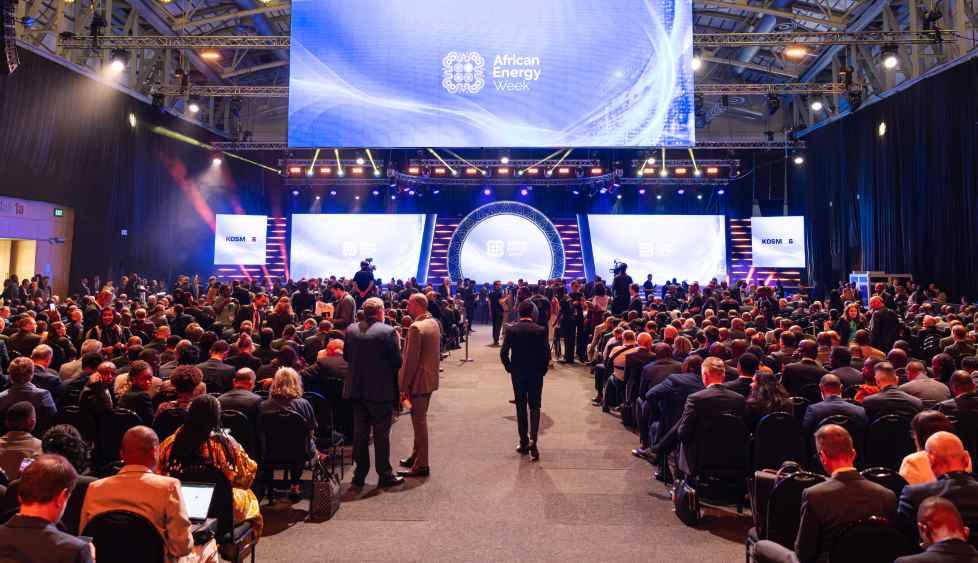
CAPE TOWN, South Africa, October 22, 2026/APO Group/ –African Energy Week (AEW) 2026 concluded in Cape Town after five days of dealmaking, licensing announcements and project updates aimed at accelerating investment across Africa’s energy sector. Organized by the African Energy Chamber (AEC) (https://EnergyChamber.org), the October 12–16 conference brought together more than 12,000 international delegates, including government officials, national oil companies, private operators, financiers and technology providers.


The summit secured more than $17 billion in total commitments, while governments presented new investment opportunities and companies formalized strategic partnerships. Discussions covered upstream development, energy infrastructure, digital technologies and workforce training, with commercial initiatives designed to move projects closer to financing and implementation.

Returning as Africa’s Biggest Energy Marketplace

The Cape Town International Convention Centre (CTICC) hosted a conference built around connecting project developers with investors. Two dedicated platforms anchored its commercial program: the Premier Invest Deal Room and the African Farmout Forum.

Organized by Premier Invest, the Deal Room presented 15 oil, gas, infrastructure and power projects seeking more than $16 billion in investment. Project sponsors pitched opportunities to potential financiers, including development finance institutions, commercial lenders and institutional investors. Proposals covered upstream exploration, LNG infrastructure, gas-to-power facilities and downstream development.

The African Farmout Forum, held October 12 with Moyes & Co, Farmout Angel and Envoi Ltd, showcased 23 investment opportunities across established and frontier African basins. Operators delivered five-minute pitches covering assets, technical data and investment terms, while a dedicated Wall of Farmouts and investor meetings facilitated discussions around equity farm-downs and joint ventures.

National Investment Strategies

African governments used AEW 2026 to promote licensing opportunities, outline regulatory reforms and attract capital for exploration and production.

Ivory Coast presented its ambition to become a regional energy hub by 2035, backed by a $10 billion energy expansion strategy. The government highlighted the Calao and Calao South blocks as opportunities for foreign exploration and production companies.

Liberia launched its 2026 Direct Negotiation Petroleum Licensing Round through the Liberia Petroleum Regulatory Authority. The round offers 15 blocks across the Liberia and Harper basins, supported by 50,000 line-km of 2D seismic data and 31,000 km2 of 3D seismic coverage.

Meanwhile, Gabon outlined petroleum code reforms intended to attract exploration investment through more flexible contractual terms, lower entry costs and streamlined approvals.

Uganda reaffirmed its commitment to first oil from the Lake Albert developments while advancing plans for a 60,000-barrel-per-day (bpd) domestic refinery targeted for completion by 2030.

Senegal presented 104 blocks to investors, expanding access to deepwater and onshore acreage, while Algeria promoted seven onshore exploration blocks in its anticipated bidding round, with Sonatrach highlighting available geological data and development potential.

Major Deals and Partnerships

AEW 2026 produced several corporate agreements spanning energy data, offshore operations, digitalization, aviation fuels and infrastructure research.

The AEC and S&P Global Energy signed a five-year strategic partnership focused on improving African energy data transparency and market intelligence. The collaboration will support energy outlooks and analysis intended to inform investment decisions.

Angola’s Etu Energias, Chariot and BW Energy announced a tripartite agreement aimed at advancing offshore development by combining local operating capabilities with international technical expertise. The South African National Petroleum Company (SANPC) and SLB agreed to collaborate on digital transformation, including cloud-based data systems and advanced subsurface technologies.

Sasol and White Desert formalized a sustainable aviation fuel offtake agreement to support commercial supply and distribution. Meanwhile, Imbono and the University of Cape Town announced a three-year partnership linking academic research and commercial investment to develop future-ready infrastructure.

Project Announcements and Updates

Senegal’s Petrosen outlined progress on the Yakaar-Teranga gas project, targeting a final investment decision by the end of 2027. The ultra-deepwater development remains a significant opportunity to expand domestic gas supply.

In Mozambique, Eni confirmed that drilling for its Coral North FLNG project would begin in November 2026, advancing development in the country’s offshore gas sector. Furthermore, TotalEnergies also announced that it had secured a deepwater drillship for an upcoming exploration and appraisal campaign offshore Nigeria. The campaign is expected to advance work on prospects in the country’s deepwater acreage.

Workforce Development and Capacity Building

AEW featured initiatives to strengthen Africa’s technical and financial skills base. The AEW Future Leaders Student Challenge recognized three leading university teams for engineering solutions and financial modelling aimed at addressing energy-sector development challenges.

The ExxonMobil Foundation STEM Africa Challenge gave African students a platform to present technology and engineering concepts addressing energy access. The initiative focused on student-led solutions for clean energy, decentralized solar power and off-grid applications.

Beyond the Conference Floor

Networking continued through the African Energy Awards and Gala Dinner, which recognized leadership, exploration achievements and institutional reforms across the sector.

The Just Energy Transition Concert at the Grand Africa Café combined African musical performances with opportunities for delegates to build commercial relationships. Business-to-business meetings, corporate breakfasts, ministerial roundtables and beachfront receptions extended discussions beyond formal sessions.

Together, the investment platforms, national showcases, corporate agreements and project updates positioned AEW 2026 as a major meeting point for African energy stakeholders seeking capital, partners and routes to project execution.

Distributed by APO Group on behalf of African Energy Chamber.


Continue Reading

Trending