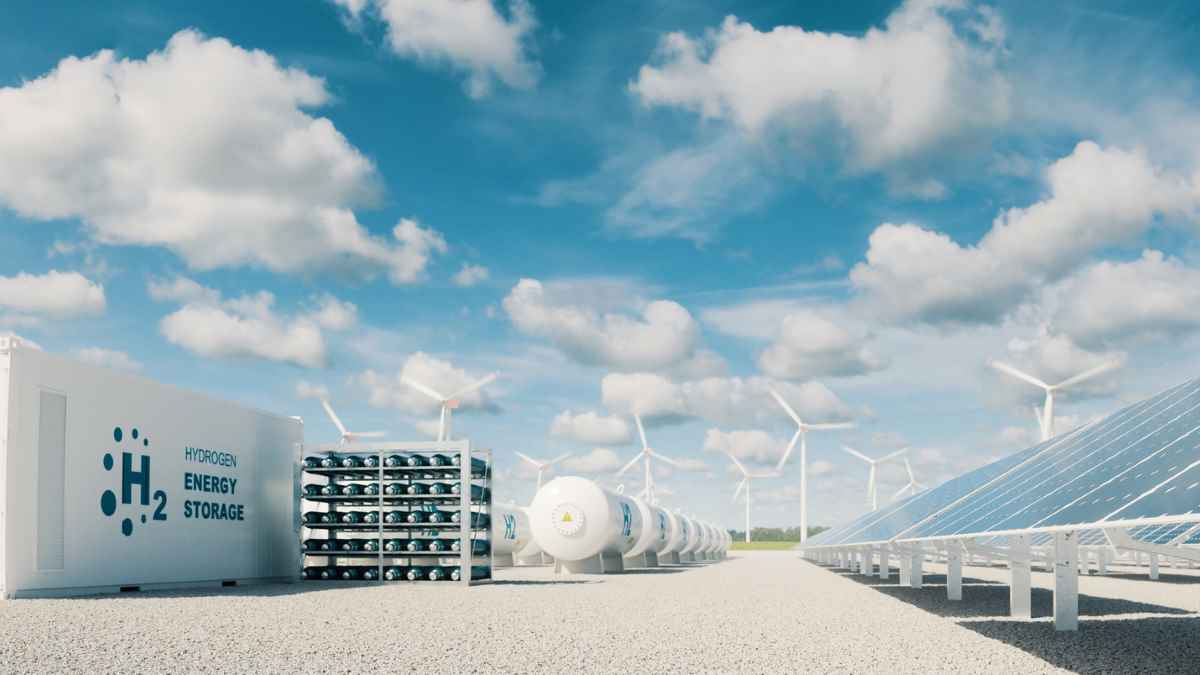
The upcoming Critical Minerals Africa Summit will explore the role of platinum group metals – of which Africa holds more than 90% of global reserves – as a critical input for hydrogen energy technologies
CAPE TOWN, South Africa, June 20, 2024/APO Group/ —
The global market for platinum group metals (PGMs) – which include platinum, palladium, rhodium, iridium, osmium and ruthenium – will record a 4.47% increase between now and 2029, according to market research firm Mordor Intelligence. In part, market growth will come from growing demand for PGMs in green technologies, including hydrogen energy technologies, in turn generating opportunities across Africa’s mining and hydrogen value chains.
https://apo-opa.co/3Rzawim
The Critical Minerals Africa (CMA) Summit, taking place on November 6-7 in Cape Town, will unpack the nexus between PGMs and green hydrogen and their evolving role within the African and global energy transition. The continent is home to the world’s largest PGM reserves, with South Africa alone possessing over 80% of global resources and Zimbabwe also holding substantial reserves. These metals play a vital role in fuel cell technology, enabling the production of electricity from hydrogen and oxygen. As African countries – including Namibia, South Africa, Mauritania and Egypt – intensify their green hydrogen activities, long-term PGM demand is expected to grow substantially, powering a wide range of applications from hydrogen fuel cell vehicles to stationary power generation to industrial processes.
Africa’s Green Hydrogen Potential
The African continent holds substantial potential for green hydrogen production given its abundance of co-located renewable resources. According to the European Investment Bank, Africa has the potential to produce 50 million tons of green hydrogen per annum by 2035, which could help meet power, transportation and industrial energy needs, decarbonize heavy-polluting industries, as well as be used for global export.
Namibia represents a pioneer of green hydrogen on the continent, having secured billions in investment for green hydrogen projects from various investors, including the USAID, the Development Bank of Southern Africa and Japanese investment firm ITOCHU. Green energy firm Hyphen Hydrogen Energy is implementing a $10-billion project, with the capacity to produce 350,000 metric tons per year using 7 GW of renewable energy and 3 GW of hydrogen electrolyzers. Last May, Belgian port operator Antwerp Bruges partnered with the Namibian Ports Authority to develop a EUR 250-million hydrogen and ammonia storage facility at Walvis Bay Port to facilitate the transport of hydrogen to regional and global markets.
Realizing the potential of green hydrogen to drive regional energy security, South African tourism, trade and investment agency Wesgro signed an agreement last month with the Northern Cape Economic Development, Trade and Investment Promotion Agency, Namibia’s Environmental Investment Fund and infrastructure company Gasunie and Climate Fund Managers. The agreement paves the way for the parties to assess the feasibility of developing a green hydrogen corridor connecting the Western Cape and Northern Cape provinces of South Africa with Lüderitz in Namibia.
Furthermore, green energy companies Hive Energy UK and Genesis Eco-Energy are developing a R105 billion green hydrogen and ammonia project in the Coega Special Economic Zone in the Eastern Cape province of South Africa. The project will add 14,400 MW of electricity to the grid and produce 900,000 tons of green ammonia for export to global markets, increasing the country’s export revenue. South Africa has also established a $1-billion fund in partnership with the Netherlands, aimed at accelerating the deployment of green hydrogen projects to feed growing demand in Europe.
Private and public sector entities in South Africa are demonstrating the potential for synergy between PGMs and green hydrogen, specifically in hydrogen fuel cell vehicles. Last October, mining firm Anglo American entered into a partnership with automotive firm BMW South Africa and international energy firm Sasol to develop South Africa’s PGMs and green hydrogen value chains. Anglo American will provide PGMs used in hydrogen fuel-cell vehicles, while Sasol will provide the green hydrogen and BMW the vehicles.
As global demand for green hydrogen rises due to carbon emission reduction policies and growing energy needs, a parallel surge in PGMs demand is also anticipated. Given that Africa is home to the overwhelming majority of these critical minerals, CMA 2024 will explore the latest policies, projects and developments ensuring that the continent capitalizes on green hydrogen as a key growth driver.
Organized by Energy Capital & Power, CMA is the largest gathering of critical mineral stakeholders in Africa. Taking place from November 6 – 7 in Cape Town, the event positions Africa as the primary investment destination for critical minerals. This year’s edition takes place under the theme Innovate, Enact, Invest in African Critical Minerals to Sustain Global Growth, connecting African mining projects and regulators with global investors and stakeholders to untap the full potential of the continent’s raw materials. Sponsors, exhibitors and delegates can learn more by contacting sales@energycapitalpower.com.
Distributed by APO Group on behalf of Energy Capital & Power.
BAZHONG, CHINA – Media OutReach Newswire – 21 September 2026 – The 24th Sichuan Guangwu Mountain International Red Leaf Festival will run from October 1 to November 18 at the Guangwu Mountain Tourism Area in Bazhong, Sichuan Province, China.
Located in southwest China, Guangwu Mountain boasts a forest coverage rate of 97%, earning its reputation as a “natural oxygen bar.” Each autumn, 680 square kilometers of mountain forests burst into a dazzling palette. Over 40 tree species, including Fagus pashanica, maples and lindens, weave the mountains into a stunning autumn landscape.
Known as “Asia’s longest natural red carpet,” the Mountain has become a top autumn destination for backpackers, photographers and travelers seeking immersive cultural and nature experiences, and is widely recognized as one of western China’s signature autumn attractions.
The tourism area caters to international visitors who prefer slower-paced, in-depth, off-the-beaten-path travel. The new Yanziling Loop Boardwalk, launched in May 2026, winds along mountain cliffs, with a sea of clouds rolling beneath visitors’ feet and brilliant foliage unfolding alongside the trail, creating the feeling of “stepping into a painting.”
Guangwu Mountain offers a wealth of outdoor attractions. Highlights include the 1,888-meter Red Leaf Coaster and a glass water slide certified by Guinness World Record, combining thrilling experiences with stunning natural scenery.
The large-scale immersive production “New Dream of Guangwu Mountain” integrates cutting-edge light and visual technology with Bashan folklore and traditions, transforming the forest into an atmospheric nighttime experience. Visitors can also enjoy welcome performances and interactive robot activities, which offer more ways to discover the mountain’s late-autumn charm.
A major highlight of this year’s festival is the newly completed Micang Avenue. Stretching 85 kilometers, the route connects seven core scenic spots, including Guangwu Mountain, Micang Mountain, and Nuoshui River, reducing a four-hour drive to just one hour. Lined with continuous stretches of colorful forest and layered peaks, the avenue brings brand-new travel experiences for autumn foliage enthusiasts.
The festival will also feature cultural, sports and international exchange activities, including the third season of the “Sending You a Red Leaf” campaign, the China Micang Avenue International Road Cycling Race, and the “World Red Leaf Landmark” global collection campaign.
In addition, 31 scenic attractions and 18 museums and cultural venues across Bazhong will provide special ticket offers and visitor benefits during the festival.
Across mountains and seas, Guangwu Mountain invites visitors from around the world to witness one of China’s most vibrant red-and-gold autumn displays.
The issuer is solely responsible for the content of this announcement.
The investment also reflects shifting global supply chains, as companies diversify sourcing, manufacturing and customer markets beyond traditional corridors
JOHANNESBURG, South Africa, September 21, 2026/APO Group/ —
New weekly B767/F Bahrain-Johannesburg service strengthens Sub-Saharan Africa connectivity and supports growing trade flows between Africa, the Gulf and global markets
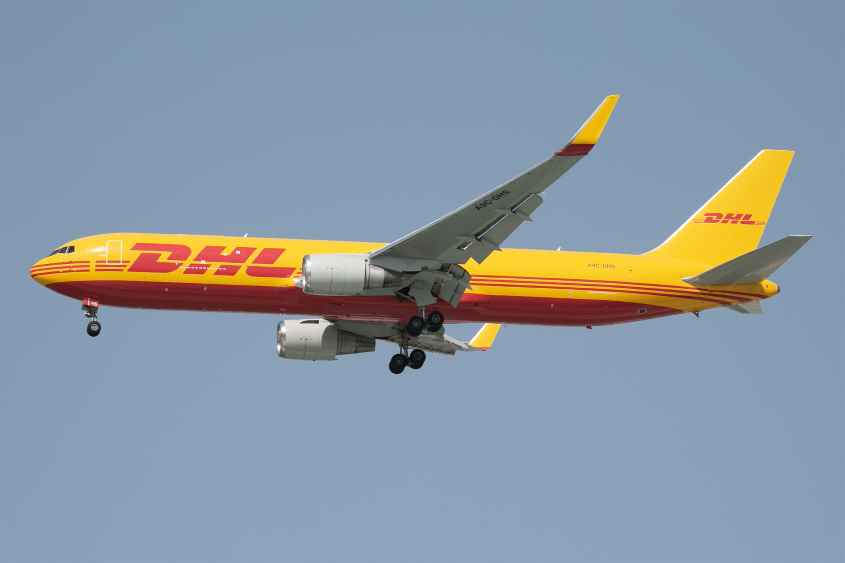
DHL Express (www.DHL.com) has marked an important milestone in its regional aviation network with the successful operation of the first direct DHL flight between Bahrain and South Africa.
The inaugural flight arrived at OR Tambo International Airport in Johannesburg, opening a new weekly aviation lane operated by a DHL Express B767/F freighter. The route reinforces DHL’s continued investment in strengthening Sub-Saharan Africa network connectivity, expanding heavier-weight capability, improving flexibility and supporting growing trade flows between the Middle East and Africa.
As trade between Africa and the Middle East develops, businesses need resilient, well-connected logistics networks. The new service provides greater inbound and outbound capacity for South Africa and neighbouring countries through the DHL Johannesburg Hub, one of the company’s key gateways on the continent.
The investment also reflects shifting global supply chains, as companies diversify sourcing, manufacturing and customer markets beyond traditional corridors. Bahrain’s position as a gateway between Africa, the Gulf and Asia make it an important link for businesses seeking faster access to international markets.
Every new connection we introduce is designed with our customers in mind
“Every new connection we introduce is designed with our customers in mind. As global trade routes diversify and economic ties between Africa and the Middle East continue to strengthen, we are seeing powerful geographical tailwinds creating new opportunities for businesses. Demand is growing across sectors such as healthcare, technology, manufacturing and cross-border e-commerce, all of which rely on fast, reliable international logistics,” said Anthony Beckley, Vice President of Operations and Aviation for DHL Express Sub-Saharan Africa.
“While this first direct DHL flight between Bahrain and South Africa is a significant network milestone, its real value lies in the opportunities it creates for customers.”
South Africa is one of DHL’s Geographic Tailwinds markets, reflecting its growing role in global trade flows and its potential to drive future trade growth. And Johannesburg remains a critical gateway in DHL’s SSA network, linking South Africa and neighbouring markets to global opportunities through Bahrain and the wider DHL aviation network. Through continued investment in routes, aircraft capacity and hub connectivity, DHL is supporting customers across this dynamic lane.
“DHL Express is the only logistics provider operating a dedicated intra-regional air fleet across the Middle East, connecting customers through Bahrain with major global gateways including Hong Kong, Leipzig and Cincinnati,” said Richard Gale, Vice President of Aviation, DHL Express MENA.
“Bahrain’s position at the crossroads of Africa and the Middle East makes it an ideal hub for customers seeking faster, more reliable access across these growing trade corridors. We are pleased to add this direct Johannesburg connection as economic ties between Africa and the Gulf deepen.”
DHL remains committed to helping customers seize opportunities created by changing trade patterns and expanding economic relationships.
Distributed by APO Group on behalf of DHL Express.
Under the Facility, Afreximbank will provide ATDC with trade-finance capacity to undertake and scale eligible trading and distribution transactions across the continent
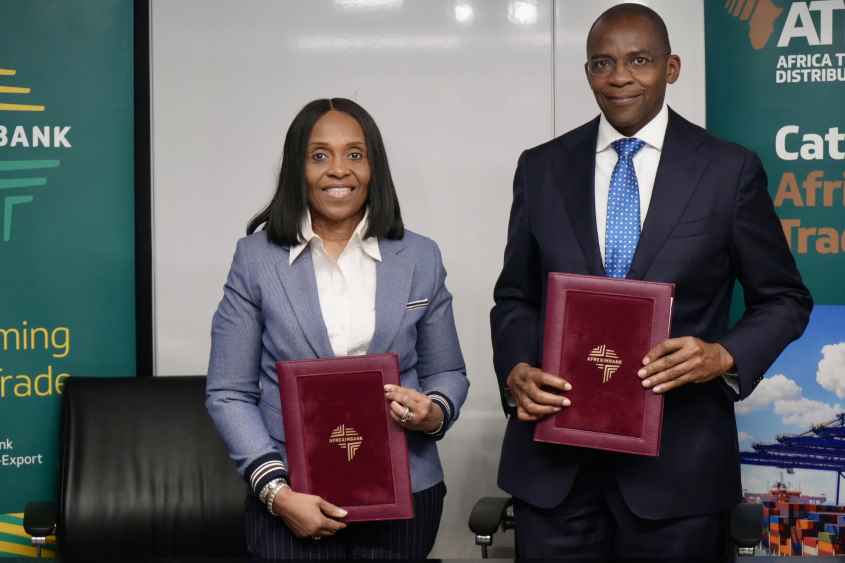
CAIRO, Egypt, September 21, 2026/APO Group/ –African Export-Import Bank (Afreximbank) (www.Afreximbank.com) and the Africa Trading and Distribution Company (ATDC) have signed a US$500 million Global Credit facility agreement to support trade, movement and distribution of commodities and products across African and global markets.
ATDC is a pan-African platform established to support the expansion of Africa’s trade, accelerate industrialisation through increased local value addition, and strengthen economic integration across the continent. With initial local operations in Egypt, Nigeria, Malawi and Zimbabwe, the platform is closing gaps in trade and market intelligence, improving market access, and supporting implementation of the African Continental Free Trade Area (AfCFTA).
This facility strengthens ATDC’s ability to aggregate supply, mobilise working capital and move goods efficiently across value chains
Under the Facility, Afreximbank will provide ATDC with trade-finance capacity to undertake and scale eligible trading and distribution transactions across the continent. The financing will support purchasing and aggregation of African goods, associated logistics, transportation, warehousing and distribution costs, providing ATDC with the financing required across different stages of the trade and distribution cycle.
ATDC will deploy financing available under the facility towards eligible trade, logistics and distribution transactions with repayments anchored on proceeds generated from the sale of goods financed through the facility.
Commenting on the signing, Mrs. Kanayo Awani, Executive Vice President, Intra-African Trade and Export Development, Afreximbank commented: “The US$500 million Global Credit Facility extended to ATDC underscores Afreximbank’s commitment to strengthening the trade, logistics and distribution architecture required to realise the full potential of the African Continental Free Trade Area (AfCFTA). By facilitating the efficient distribution of ‘Made-in-Africa’ goods across the continent, the facility will deepen regional value chains, expand market access for African producers, and boost manufactured exports, advancing the AfCFTA’s vision of a more integrated and industrialised African economy. It will also enhance the global competitiveness of African products, positioning the continent as a significant exporter of value-added and manufactured goods. These are critical building blocks for expanding Africa’s export footprint and driving the continent’s economic transformation”.
Mr. Stewart Makura, Chief Executive Officer of ATDC, said: “Realising Africa’s full trade potential requires reliable systems that connect producers, processors, manufacturers and markets. This facility strengthens ATDC’s ability to aggregate supply, mobilise working capital and move goods efficiently across value chains. Together with Afreximbank, we will support stronger supply chains, value addition, import substitution and intra-African trade.”
Beyond financing individual transactions, the facility will help ATDC develop repeatable trade corridors and expand access to dependable sourcing and distribution networks across African markets. It will support commercially sustainable trade flows, greater processing of African commodities and increased regional availability of raw materials, inputs and value-added products.
Distributed by APO Group on behalf of Afreximbank.
We use cookies on our website to give you the most relevant experience by remembering your preferences and repeat visits. By clicking “Accept”, you consent to the use of ALL the cookies.
This website uses cookies to improve your experience while you navigate through the website. Out of these, the cookies that are categorized as necessary are stored on your browser as they are essential for the working of basic functionalities of the website. We also use third-party cookies that help us analyze and understand how you use this website. These cookies will be stored in your browser only with your consent. You also have the option to opt-out of these cookies. But opting out of some of these cookies may affect your browsing experience.
Necessary cookies are absolutely essential for the website to function properly. These cookies ensure basic functionalities and security features of the website, anonymously.
Cookie
Duration
Description
cookielawinfo-checkbox-analytics
11 months
This cookie is set by GDPR Cookie Consent plugin. The cookie is used to store the user consent for the cookies in the category "Analytics".
cookielawinfo-checkbox-functional
11 months
The cookie is set by GDPR cookie consent to record the user consent for the cookies in the category "Functional".
cookielawinfo-checkbox-necessary
11 months
This cookie is set by GDPR Cookie Consent plugin. The cookies is used to store the user consent for the cookies in the category "Necessary".
cookielawinfo-checkbox-others
11 months
This cookie is set by GDPR Cookie Consent plugin. The cookie is used to store the user consent for the cookies in the category "Other.
cookielawinfo-checkbox-performance
11 months
This cookie is set by GDPR Cookie Consent plugin. The cookie is used to store the user consent for the cookies in the category "Performance".
viewed_cookie_policy
11 months
The cookie is set by the GDPR Cookie Consent plugin and is used to store whether or not user has consented to the use of cookies. It does not store any personal data.
Functional cookies help to perform certain functionalities like sharing the content of the website on social media platforms, collect feedbacks, and other third-party features.
Performance cookies are used to understand and analyze the key performance indexes of the website which helps in delivering a better user experience for the visitors.
Analytical cookies are used to understand how visitors interact with the website. These cookies help provide information on metrics the number of visitors, bounce rate, traffic source, etc.
Advertisement cookies are used to provide visitors with relevant ads and marketing campaigns. These cookies track visitors across websites and collect information to provide customized ads.





















 Business5 days ago
 Business5 days ago
 Business4 days ago
 Tech4 days ago
 Events4 days ago
 Business4 days ago
 Business4 days ago