Connect with us

Events

Huawei Unveils the Industry’s First NPO Optical Engine with Built-in Light Source, Hi-ONE, Leading the Way in High-Speed Optical Interconnect Technology Innovation

Published

on

Huawei

Summary:

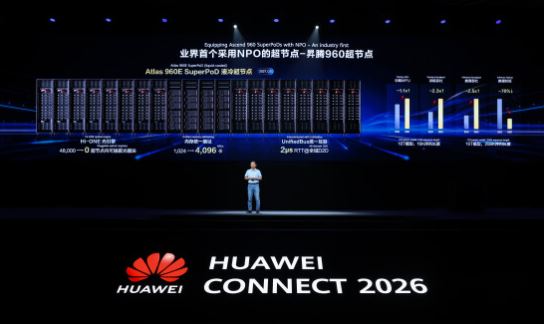
  • At HUAWEI CONNECT 2026, Huawei unveiled the industry’s first NPO optical engine with Built-in Light Source, Hi-ONE, offering a total capacity of 7.2 TB/s and enabling Huawei to be the first to mass produce such an optical engine.
  • Hi-ONE has been applied to the Ascend 960 SuperPoD, built on the “UnifiedBus plus Hi-ONE” architecture. This has reduced the number of 800G optical modules within the SuperPoD by 48,000, significantly lowered system power consumption, and enhanced reliability.
  • In May 2026, the standard proposal for “12.8 TB/s NPO Module”, jointly submitted by the China Academy of Information and Communications Technology (CAICT), Huawei, and other companies, was officially initiated by the OIF, receiving support from more than 40 global industry chain vendors.

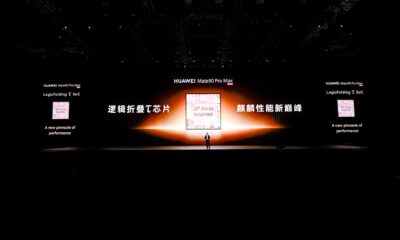
SHANGHAI, CHINA – Media OutReach Newswire – 17 September 2026 – At HUAWEI CONNECT 2026, Huawei unveiled the industry’s first NPO optical engine with Built-in Light Source, Hi-ONE, offering a total capacity of 7.2 TB/s and enabling Huawei to be the first to mass produce such an optical engine. The Ascend 960 SuperPoD, built on the “UnifiedBus plus Hi-ONE” architecture, has already adopted the Hi-ONE optical engine powered by NPO. Hi-ONE is the industry’s first-ever optical engine to adopt a built-in light source architecture, achieving high-density, high-speed optical interconnect while significantly reducing power consumption and latency for signal transmission. The launch of Hi-ONE marks the beginning of NPO technology’s transition from industry consensus to large-scale commercial use, injecting new momentum into the AI computing industry.


NPO technology path: Balancing innovation and ecosystem continuity

NPO technology realizes close interaction between optical and electrical signals but maintains the independence of the optical engine, thus maximizing the continuity of customer usage habits and industry ecosystems. By following this technology path, Huawei has developed the innovative Hi-ONE optical engine, which currently stands as the NPO product with the highest transmission capacity in the industry and the first NPO product to adopt a built-in light source architecture. Rooted in self-developed technologies, Huawei has achieved breakthroughs in key areas such as bandwidth, reliability, power consumption, and latency.

High bandwidth and high reliability: Hi-ONE is the first optical engine to integrate 36 channels of optical transceivers, significantly reducing the number of discrete components and lowering failure rates at the very source. Hi-ONE integrates key technologies, including compound optical chips, silicon photonic chips, and optoelectronic RF chips. Through a balanced design of optical, mechanical, electrical, magnetic, and thermal elements, Hi-ONE supports a transmission capacity of 7.2 TB/s on a single optical engine, and makes built-in light sources a reality in the NPO engine. As a result, overall reliability is improved by 10 times, ensuring the stable operation of long-duration training tasks.

Low power consumption and low latency: With the adoption of a linear direct-drive architecture, Hi-ONE eliminates the need for high-power oDSP chips, cutting power consumption by approximately 66% and latency by about 90%. This both lowers energy costs and boosts communications efficiency.

Standards and ecosystems drive industry consensus

Alongside product innovation, Huawei has also made progress in NPO standards and industry ecosystem development. In May 2026, the standard proposal for “12.8 TB/s NPO Module”, jointly submitted by the China Academy of Information and Communications Technology (CAICT), Huawei, and other companies, was officially initiated by the OIF, with support from more than 40 industry chain vendors worldwide.

From technological breakthroughs to product application, and from international standards to industry ecosystem development, Huawei is driving NPO from industry consensus to large-scale commercial use. It is achieving this through a combination of strong technological innovation and open collaboration with global industry partners, with the ultimate goal of shaping a new AI computing industry landscape.

FAQs:

Q1: What is NPO?

A: NPO, short for Near-Packaged Optics, is an optical interconnect technology that keeps optical engines close to switching chips, shortening the transmission distance between optical and electrical signals while maintaining the independence of optical engines.

Q2: What is the OIF?

A: The OIF, or Optical Internetworking Forum, plays a key role as a core standards developer and interoperability promoter in the optical communications industry. It has huge influence, particularly in the fields of high-speed optical modules and data center interconnect.
The issuer is solely responsible for the content of this announcement.


Business

5 Investment Opportunities Putting Congo Energy & Investment Forum (CEIF) 2027 on the Map for Central Africa

Published

on

CEIF 2027 connects investors with Congo’s energy projects and local partners, while providing entry points for commercial opportunities across Central Africa

BRAZZAVILLE, Republic of the Congo, November 2, 2026/APO Group/ –The Republic of Congo’s expanding oil and gas developments are creating new opportunities for investment, engineering contracts and commercial partnerships across the energy value chain. With offshore discoveries, mature-field redevelopment and three million tons per year of LNG capacity, the country is entering a new phase of energy development that requires capital, technology and international partnerships.


The Congo Energy & Investment Forum (CEIF) 2027, taking place June 1-3 in Brazzaville, will serve as the official platform connecting Central African energy decision-makers, operators, investors and service companies. Organized by Energy Capital & Power in collaboration with the Ministry of Hydrocarbons, the forum will bring together public- and private-sector stakeholders to advance investment discussions, facilitate partnerships and connect companies with emerging opportunities across the region.

Connect With Central Africa’s Energy Decision-Makers

CEIF 2027 will provide a platform to engage directly with Congolese authorities, regulators, national energy companies and policymakers shaping the region’s energy investment landscape. Taking place in partnership with the Ministry of Hydrocarbons, the event offers a bridge between the country’s policymakers and public- and private-sector companies. Conversations with decision-makers can help investors understand national development priorities, gain insight into the regulatory environment and identify opportunities for market entry or expansion.

Capitalize on Congo’s Upstream Investment and Production Ambitions

As Congo targets production growth toward 500,000 barrels per day, operators are pursuing new exploration and mature-field redevelopment to increase output. TotalEnergies’ 2026 Moho G discovery could unlock an estimated 100 million barrels of recoverable resources alongside the existing Moho F development, illustrating the potential to connect new discoveries to established offshore infrastructure. Meanwhile, Perenco and Trident Energy are pursuing development and redevelopment opportunities across mature assets, including well reactivation and infrastructure upgrades.

These activities could create opportunities for drilling contractors, engineering firms and production technology providers. CEIF 2027 offers a platform to explore project requirements and investment opportunities across Congo’s upstream sector.

Unlock Opportunities Across LNG, Gas and Power Infrastructure

With LNG exports established and liquefaction capacity reaching three million tons per year in 2026, Congo is looking towards its next phase of gas development. This will depend on sustaining feedgas supplies, connecting additional resources and expanding infrastructure.

Beyond LNG, Congo’s plans to expand electricity generation and improve transmission and distribution infrastructure present opportunities for power developers, equipment suppliers and investors. These priorities create potential opportunities for upstream operators, engineering companies, technology providers and investors interested in gas processing, power generation and distribution. CEIF provides a platform to advance these priorities.

Showcase Solutions and Build Commercial Partnerships at the Exhibition

The CEIF 2027 exhibition will provide a platform for companies to showcase their technologies, equipment and services directly to energy operators, policymakers, investors and potential clients across Central Africa.

Exhibitors will have opportunities to demonstrate solutions, engage with local service providers and identify potential partnerships across drilling, engineering, infrastructure and energy technology. For companies seeking to enter or expand in the region, the exhibition offers a direct route to building commercial relationships, exploring procurement opportunities and positioning their services for upcoming projects.

Access New Projects and Financing Opportunities

Turning project opportunities into investments requires clarity on development priorities, infrastructure requirements and financing structures. CEIF’s discussions will give participants an opportunity to assess the projects shaping Congo’s energy sector and engage with potential commercial and institutional counterparts.

Investors, lenders and project developers can use these exchanges to identify areas where financing, technical expertise or new investment structures may help advance projects across oil and gas, power generation and downstream industries.

Organized by Energy Capital & Power in collaboration with the Ministry of Hydrocarbons, CEIF 2027 will enable candid dialogue, facilitating new investments and deals in the country’s energy sector. For more information, visit www.congoenergyinvestment.com.


Distributed by APO Group on behalf of Energy Capital & Power.


Continue Reading

Energy

Energy costs, storage value and industrial competitiveness led Day 2 of C&I Energy + Storage Summit

Published

on

Energy security, industrial competitiveness and infrastructure readiness emerged as closely connected priorities, with discussions highlighting what businesses need to turn investment plans into operational gains

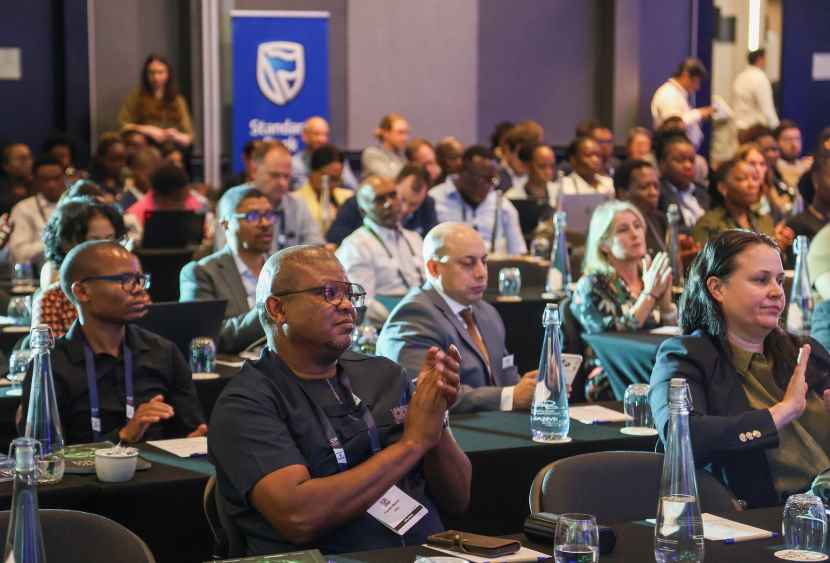
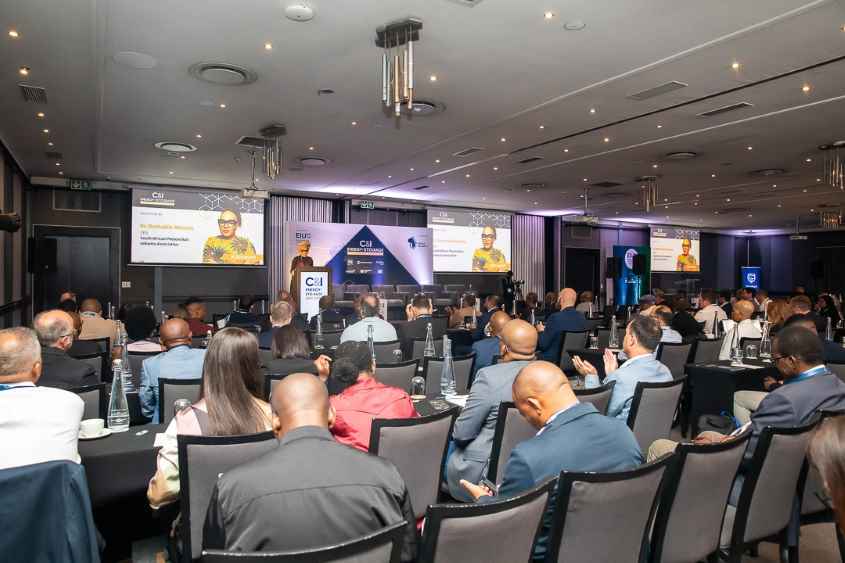
JOHANNESBURG, South Africa, November 2, 2026/APO Group/ –How can South African businesses turn energy investment into lower operating costs, stronger resilience and long-term competitiveness? This question drove the second day of VUKA Group’s (https://WeAreVUKA.com/) C&I Energy + Storage Summit in Johannesburg, with discussions examining the commercial value of storage, industrial energy strategies and the infrastructure needed to support Africa’s growing digital economy.


The programme brought together business leaders, energy specialists, financiers and public-sector representatives to address practical decisions facing commercial and industrial users, alongside the EIUG Conference, Water Security Africa and Data Centre Summit.

Energy security, industrial competitiveness and infrastructure readiness emerged as closely connected priorities, with discussions highlighting what businesses need to turn investment plans into operational gains.

Energy storage featured prominently, with panellists examining how tariff optimisation, peak shaving and renewable energy integration can strengthen its value beyond backup power. The investment case, however, needs to account for battery degradation, warranties and operational risk.

Addressing the attendees, Junaid Munshi, Group Executive: Distribution for Eskom told the audience: “For an industrial business, solar and storage can improve the energy cost position. But the opportunity extends beyond the customer’s electricity bill. Where network capacity is constrained, coordinated battery use may relieve pressure on the infrastructure serving that business and, where proven technically dependable, could defer or reduce grid investment. The asset behind your meter can therefore also become a resource beyond it.”

The asset behind your meter can therefore also become a resource beyond it

The EIUG session “Industrialisation under threat?” put changing electricity consumption under scrutiny, asking whether lower demand reflected efficiency gains or weakening industrial output. Tariffs, investment conditions and industrial growth remained central to the discussion, highlighting the need to assess energy trends against the health of the wider economy.

At the Data Centre Summit, Africa’s AI ambitions brought power availability and infrastructure readiness into focus. Discussions on grid access, wheeling and network investment highlighted the importance of planning digital growth alongside the electricity infrastructure needed to sustain it.

For businesses developing energy projects, public-private engagement sessions explored infrastructure co-investment, municipal coordination and workable wheeling agreements.

Water Security Africa reinforced the wider resource-security challenge through industrial resilience case studies, digital water technologies and lessons from case studies.

Across the discussions, the practical message was consistent: competitive businesses need more than access to technology and capital. They also need reliable infrastructure, workable commercial arrangements and coordinated delivery.

The afternoon programme translated these themes into business decisions. “The C&I energy playbook” drew together insights from across the summit, while the closing “decision clinic” addressed real project challenges, from choosing between onsite solar and wheeled power to sizing batteries and preparing projects for financing. Experts from DBSA, Standard Bank, SustainableDNA and the City of Tshwane contributed practical guidance.

Download the programme to review the full Day 2 agenda and participating speakers: https://apo-opa.co/4eEKq9a

Distributed by APO Group on behalf of VUKA Group.


Continue Reading

Business

Industrial competitiveness takes centre stage at C&I Energy + Storage Summit Johannesburg

Published

on

The summit opens with a shared question: how can businesses protect production and investment while navigating changes to the systems that supply their energy and water

JOHANNESBURG, South Africa, October 27, 2026/APO Group/ –Rising electricity and water costs, changing energy procurement options and pressure to decarbonise are putting South Africa’s industrial competitiveness under scrutiny. These challenges will lead the opening agenda of the C&I Energy + Storage Summit Johannesburg, which begins tomorrow, bringing the relationship between infrastructure resilience and business performance into focus.

Held alongside the Energy Intensive Users Group (EIUG) Conference, Data Centre Summit and Water Security Africa on 28–29 October, the summit opens with a shared question: how can businesses protect production and investment while navigating changes to the systems that supply their energy and water?


Following welcomes from Chanelle Hingston, VUKA Group Director: Power, Energy & Water, and EIUG Chairman Murendeni Matshinyatsimbi, NTCSA CEO Monde Bala will deliver the keynote address. He is expected to explore how grid expansion, fair access and system reliability can support a competitive electricity market and unlock industrial investment.

These opening contributions will set the context for the keynote panel, “Threats and opportunities in South Africa’s industrial future”. Moderated by Kay Walsh, Managing Director of Nova Economics, the discussion brings together Gaylor Montmasson-Clair, Founding Director of Southern Transitions; Charles Dos Santos, Managing Director of Air Products South Africa; and Lubabalo Luyaba, Senior Water Specialist at the World Bank.

The panel will examine how escalating tariffs, electricity market reform and pressure on water resources are influencing industrial competitiveness. Wheeling frameworks, market liquidity and regulatory clarity will feature alongside the growing need for resilient water supply and better water management.

For commercial and industrial businesses, these issues have direct implications for operating costs, procurement decisions and long-term investment. The discussion will explore how companies can manage regulatory uncertainty, strengthen resilience and assess opportunities in energy procurement and carbon markets.

Water security will receive further attention through a keynote address and MOU signing featuring Ramateu Monyokolo, Chairperson of AWSISA. Earlier morning discussions will ask what a loss of Johannesburg’s water supply would mean for business and explore water’s role as a strategic asset.

The opening agenda will lead into practical Day 1 sessions on reducing energy costs, electricity market reform and financing the transition. Industrial case studies from Isuzu Motors South Africa, Sibanye-Stillwater and Harmony Gold Mining Company will examine approaches to cost certainty and energy security.

Across the day, the emphasis will be on decisions businesses can act on: improving efficiency, diversifying supply and investing in infrastructure that supports reliable operations and sustained competitiveness.

Sponsors across the events include WEG, Gold Sponsor; Standard Bank, Gold and Registration Sponsor; Huawei, EIUG Gold and Registration Sponsor; NOA and South32, EIUG Gold Sponsors; Envusa Energy, Scatec (Lyra) and Seriti Green, EIUG Silver Sponsors; LONGi and MATTLA Engineering Solutions, Bronze Sponsors; Africa International Advisors, EIUG Bronze Sponsor; Webber Wentzel, Water Bronze Sponsor; and Air Liquide and Air Products, Session Sponsors.

Download the full programme to explore the keynote speakers, industry case studies and practical sessions taking place on 28–29 October: https://apo-opa.co/4sqc9QL

Distributed by APO Group on behalf of VUKA Group.


Continue Reading

Trending

Exit mobile version