Connect with us

Education

Brilliant Proven ways to deal with your stubborn teenager

Published

on

Stubborn Teenager

Dealing with a stubborn teenager can be challenging, but with the right approach, it is possible to foster a healthy relationship and guide them towards positive behaviors. Globally, there are various effective tips that parents can implement to deal with their stubborn teenagers.

Why are they getting stubborn during their teen years?

During adolescence, teenagers are going through significant physical, emotional, and cognitive changes. These changes, coupled with a desire for independence and a need to establish their own identity, can contribute to stubborn behavior. It is important for parents to understand that this stubbornness is a normal part of adolescent development and not necessarily a reflection of their parenting or the teenager’s character. By using the aforementioned sources, parents can understand and address the specific needs and challenges that teenagers face during this phase of their lives. During adolescence, teenagers are navigating the challenging transition from childhood to adulthood. This transition brings about a desire for autonomy and independence, which can sometimes manifest as stubbornness.


Photo by Karolina Grabowska: www.pexels.com

How Buddhism can help a teen to over come these challenges?

Buddhism can help teenagers overcome challenges by providing tools and practices that promote mindfulness, self-awareness, and acceptance. By incorporating mindfulness techniques into their daily lives, teenagers can learn to manage their emotions and thoughts more effectively. They can develop a greater sense of self-awareness, which helps them understand their own thoughts and behaviors. Through the practice of mindfulness, teenagers can learn to observe their stubbornness without judgment, allowing them to gain insight into the underlying causes and make conscious choices to respond in a more flexible and adaptive way.

Buddhism also emphasizes the importance of compassion and interconnectedness, which can help teenagers develop empathy and understanding towards others, including their parents.

This understanding can facilitate better communication and problem-solving, reducing conflicts and stubbornness in the parent-teenager relationship. By practicing Buddhism, teenagers can also cultivate a sense of gratitude and appreciate the present moment, allowing them to focus on what is truly important rather than becoming caught up in stubborn attitudes and behaviors. By integrating Buddhist teachings and practices into their lives, teenagers can develop the skills and mindset necessary to navigate challenges with greater resilience and adaptability. Overall, Buddhism can help teenagers overcome challenges by promoting mindfulness, self-awareness, acceptance, compassion, and gratitude. These elements of Buddhism can contribute to the overall well-being and emotional development of teenagers, helping them navigate the challenges of adolescence and foster healthier relationships with themselves and others.


Photo by Yan Krukau: www.pexels.com

What’s parents’ role during this difficult transition period?

During this transition period, parents play a crucial role in supporting and guiding their teenagers. They should strive to maintain open lines of communication, fostering an environment where their teenager feels safe and comfortable sharing their thoughts, feelings, and concerns. Parents should also avoid being overly judgmental or critical of their teenager’s behavior, instead offering understanding, empathy, and guidance. Additionally, parents can encourage their teenager’s mindfulness practice by role modeling it themselves.

They can engage in mindful activities with their teenager, such as meditation or yoga, and create opportunities for mindfulness practice within the family routine. By doing so, parents can demonstrate the value of mindfulness and provide a supportive environment that encourages their teenager’s personal growth and development. Overall, parents should strive to create a loving and supportive environment that promotes open communication, understanding, and mindfulness. This approach can help teenagers feel heard, validated, and supported as they navigate the challenges of adolescence.

Furthermore, parents can also seek professional help and guidance, such as therapy or counseling, to better understand and address their teenager’s stubbornness. This professional support can provide parents with strategies and techniques for effectively communicating with their teenager, setting boundaries, and managing conflicts.

How does the Asian culture affects the parenting style and teenagers?

The Asian culture often places a strong emphasis on respect for authority, discipline, and academic achievement. This cultural influence can shape parenting styles in Asian households, with expectations for obedience and high academic performance being commonly prioritized. As a result, Asian parents may adopt a more authoritarian parenting style, characterized by strict rules and expectations, as well as a focus on academic success. This parenting style may contribute to higher levels of academic pressure and stress among Asian teenagers, particularly in relation to their academic achievements. Additionally, the collectivistic nature of Asian cultures places importance on the needs and goals of the family over individual desires. This can potentially lead to a lack of autonomy and independence for teenagers, as their choices and decisions may be heavily influenced by familial expectations and obligations.

Photo by Karolina Grabowska: www.pexels.com

How to balance the cultural pressures when you are living in abroad and grooming your teen child ?

When living abroad, it can be challenging to balance cultural pressures with the need to support and nurture your teen’s individualism and independence. One approach is to maintain open and ongoing communication with your teenager about their cultural heritage and the values that are important to your family. This can help foster a sense of identity and belonging for your teenager, while also allowing them to explore their own interests and values. Additionally, it is crucial to be mindful of the cultural context and norms of the host country. This includes understanding and respecting the parenting styles and expectations of the local culture, while also finding ways to incorporate elements of your own cultural background.

In general, the key to dealing with a stubborn teenager is to approach them with empathy and understanding. Recognize that their behavior is likely a result of their struggle for independence and finding their own identity.

  1. Practice active listening and empathy: Take the time to listen to your teenager’s perspective and validate their feelings.
  2. Set clear boundaries and expectations: Establish clear rules and consequences, and ensure they are communicated effectively to your teenager.
  3. Allow them to make choices: Give your teenager a sense of autonomy by involving them in decision-making processes and allowing them to make informed choices within set limits
  4. Encourage open communication: Create a safe and non-judgmental space for your teenager to express their thoughts and emotions.
  5. Provide opportunities for independence: Gradually give your teenager more responsibilities and freedoms to help them develop a sense of independence.
  6. Utilize technology to their advantage: Introduce them to digital tools or apps that can help them develop healthy habits and track their progress.
  7. Seek professional help if needed: If your teenager’s stubborn behavior becomes unmanageable or starts affecting their well-being, don’t hesitate to seek guidance from a mental health professional or counselor who specializes in working with adolescents.

Let us know your views and methods that has worked well in dealing with your stubborn teenager.

Source : Lanka Business News | Invest on Child Education

Education

Canon and SOS Children’s Villages in Senegal Join Forces to Empower the Next Generation Through Miraisha

Published

on

Creative skills, mentorship, and hands-on workshops unlock new opportunities for vulnerable youth

DAKAR, Senegal, May 7, 2026/APO Group/ –Canon Central & North Africa (CCNA) (www.Canon-CNA.com), a global leader in imaging solutions, has forged a strategic partnership with SOS Children’s Villages in Senegal, a non-governmental organisation supporting vulnerable youth, to expand its flagship Miraisha skills development initiative. This collaboration underscores Canon’s commitment to sustainable youth empowerment and meaningful social impact, with Senegal identified as a key strategic focus market for 2026.


Expanding Canon’s African Footprint

Miraisha’s expansion in Senegal builds on Canon’s decade-long commitment to blending innovation with tangible community impact across Africa. Through this initiative, vulnerable youth and NGO staff gain access to hands-on training, mentorship, and real-world platforms that nurture creative expression and strengthen skills in photography, videography, and visual storytelling. Rashad Ghani, B2C Business Unit Director at Canon Central and North Africa, said, “Across Africa, young people are creative, resourceful, and driven to share their own stories. Our responsibility is to equip them with the tools, skills and confidence to transform that potential into sustainable livelihoods. Turn those talents into livelihoods Senegal is a key market for us, and this partnership reinforces our long-term commitment to advancing youth employability while empowering organisations to amplify their impact through compelling visual storytelling.”


Miraisha in Motion: Youth Creativity Meets Opportunity

Rooted in Canon’s philosophy of Kyosei, living and working together for the common good. The Miraisha initiative equips young people aged 18–35 with practical training in photography, videography, and digital storytelling. By combining technical expertise, mentorship, and real-world experience, the programme transforms creative potential into tangible career pathways and sustainable opportunities. This partnership serves as a natural extension of the mission of SOS Children’s Villages in Senegal. Since the mid-1970s, the NGO has supported children and youth with care, education, and community support across eight regions, emphasising the importance of developing employable and creative skills for resilience and independence.


Programme Highlights

This partnership empowers vulnerable youth by giving them more than just technical skills – it gives them confidence and a voice

Designed to deliver measurable long – term impact, the partnership provides targeted training and mentorship for youth and NGO staff. SOS communications teams will participate in an intensive three-day workshop focused on advocacy-driven photography and videography, strengthening their ability to communicate impact through powerful visuals. Youth workshops in Dakar and Kaolack will host 20–25 participants at each site, by the end of the training two chosen students will go on to receive a three-month mentorship with a dedicated Canon trainer to further enhance their skills.  To ensure sustainability, photography clubs across SOS Children’s Villages sites will be established to encourage peer learning, creative collaboration, and continuous skills development.

“This partnership empowers vulnerable youth by giving them more than just technical skills – it gives them confidence and a voice,” said Papa Daouda Diop, National Director of SOS Children’s Villages in Senegal. “Visual storytelling is crucial for our advocacy and fundraising, helping us share the realities our children face and the progress they make. Beyond stronger communications, these skills open new opportunities for employment and independence.”

Building on Proven Success Across Africa

The expansion of Miraisha in Senegal builds on a decade of transformative impact across Africa, where the programme has equipped thousands of young people in photography, videography, and digital storytelling. In Kenya, workshops at KCA University have enabled students to transition into freelance careers and creative entrepreneurship. In Nigeria, street photography sessions in Lagos enabled participants to build professional portfolios that led to paid assignments. In Morocco, collaboration with SOS Children’s Villages strengthened NGO communication channels while opening freelance opportunities for youth. These success stories demonstrate how Miraisha consistently translates creative skills into livelihoods and stronger community communications. Collectively, these success stories highlight Miraisha’s consistent ability to convert creative talent into sustainable livelihoods while strengthening how communities and organisations share their stories.


Senegal: A Strategic Focus Market

With over half its population under 25, Senegal faces both promise and challenge. Only 48.2% of youth participate in the labour market, compared to 69% of adults, reflecting persistent barriers to employment and limited access to practical training and skills in the creative industries. NGOs and community groups also require stronger communication tools to advocate and engage donors. Canon’s investment in Senegal directly responds to these interconnected needs, reinforcing the country’s strategic importance as a priority market for its social impact initiatives in 2026.


Looking Ahead

Canon’s partnership with SOS Children’s Villages Senegal underlines its ongoing investment in the country’s youth and creative industries. As Miraisha grows in West Africa, Canon aims to serve as a driver of community skills and empowerment. By enabling young people to tell their own stories through visual storytelling, the company is helping unlock pathways to economic opportunity while advancing meaningful social impact across the continent.

Distributed by APO Group on behalf of Canon Central and North Africa (CCNA).

Continue Reading

Education

Powering Africa’s Future: THE Africa Universities Summit 2026 to Ignite Innovation, Talent and Inclusion
Published

on

The summit will bring together leaders from universities, business, and civil society for dynamic discussions, hands-on workshops, and visionary keynotes

Highly recommended for anyone eager to engage with cutting-edge ideas and a passionate community

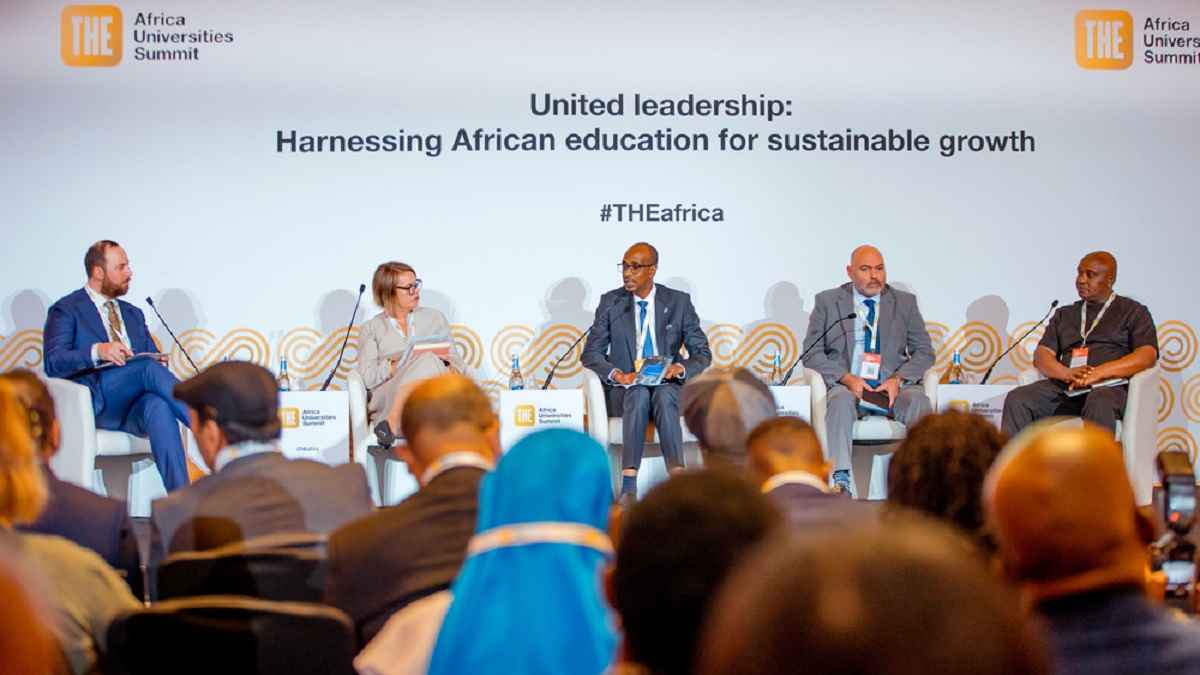
NAIROBI, Kenya, March 9, 2026/APO Group/ –Africa’s youth, representing over 400 million voices, are driving the continent’s ambition for growth, innovation, and sustainable development. The THE Africa Universities Summit 2026 (www.TimesHigherEd-events.com) will convene in Nairobi on 30-31 March to explore how higher education can unlock human capital, fuel entrepreneurial success, and promote inclusive growth across the continent.


The summit will bring together leaders from universities, business, and civil society for dynamic discussions, hands-on workshops, and visionary keynotes, focusing on four critical themes:

  • Addressing world challenges: Uniting global and local collaborations to tackle pressing challenges, harnessing research and innovation for sustainable solutions.
  • Innovation, entrepreneurship and start-ups: Empowering entrepreneurial mindsets, strengthening start-up ecosystems and driving digital innovation.
  • Work readiness and skills development: Preparing future-ready graduates through employer partnerships, innovative curricula and tailored support.
  • EDI and gender equality in higher education: Championing inclusion and gender equality to create institutions that reflect Africa’s diverse societies.

The summit will feature over 60+ speakers from across Africa and beyond, including:

  • Chérifa Abdelbaki, UNESCO Chairholder, University of Tlemcen
  • Letlhokwa Mpedi, Principal and Vice-Chancellor, University of Johannesburg
  • Barnabas Nawangwe, Vice-Chancellor, Makerere University
  • Caroline Nyaga, Founder & CEO, Women in STEAM Initiative
  • Tonny Omwansa, CEO, Kenya National Innovation Agency
  • Anicia Peters, CEO, National Commission on Research, Science and Technology

Attendees can expect 30+ hours of content, 9+ hours of networking and opportunities to engage with over 350 participants from more than 150 organisations and universities.

Last year’s summit in Rwanda highlighted the power of collaboration, inspiring actionable strategies for innovation, workforce development and equity in higher education.

Leonard Musyoka, Registrar and Chief-of-Staff at the University of Nairobi, reflected on the 2025 summit: “Attending THE Africa Universities Summit was an intellectually enriching experience! The topics were timely, thought-provoking and expertly curated, sparking meaningful conversations in the African higher education sector. Highly recommended for anyone eager to engage with cutting-edge ideas and a passionate community!”

With less than a month to go, tickets are selling fast. Join us in Nairobi to shape Africa’s higher education future, connect with thought leaders and explore new opportunities to advance talent, innovation and inclusion.

For more information and to register, visit https://apo-opa.co/4biKl8F.

Distributed by APO Group on behalf of Times Higher Education.


Continue Reading

Education

“Study in Hong Kong” Week spotlights city’s competitive higher education sector

Published

on

HONG KONG SAR – Media OutReach Newswire – 4 March 2026 – The inaugural “Study in Hong Kong” Week (February 23 to March 1) was successfully launched to promote the city’s attractiveness as a destination for students around the world to pursue higher education.

A major highlight was the prestigious Asia-Pacific Association for International Education (APAIE) 2026 Conference and Exhibition, which ranks among the world’s top three international higher education conferences. The event attracted over 3,500 leading international education professionals to explore the latest trends and critical issues in higher education.

Speaking at the opening ceremony of APAIE 2026, the Hong Kong Special Administrative Region (HKSAR)’s Secretary for Education, Dr Christine Choi said, “To further promote higher education in Hong Kong to the world, we are dedicating this week as the ‘Study in Hong Kong’ Week, during which we will share our success stories and connect more closely with partners worldwide.”

“Under the “one country, two systems” principle, Hong Kong enjoys the distinctive advantages of being part of China with strong support from our Motherland and at the same time being centrally located in Asia.

“Our universities are globally recognised, with five of them within the world’s top 100 and Asia’s top 20. Hong Kong claimed all top four spots in the ranking of the world’s most international universities last year. Indeed, one in every four of our students come from outside Hong Kong. The proportion is even higher for academic staff, with around 70 per cent from elsewhere.”

Held under the theme “Asia-Pacific Partnerships for the Global Good”, APAIE 2026 featured pre-conference workshops, summit forums, keynote speeches, and exchange activities.

Dr Choi met with education officials and representatives from various regions on international education development trends and co-operation. She held separate meetings with the State Secretary of the Ministry of Education, Research, Development and Youth of the Slovak Republic, Mr Róbert Zsembera, and the Director General of the International Cooperation Department of the Ministry of Education and Training of Vietnam, Dr Nguyen Thu Thuy, to exchange views on the development, co-operation, and promotion of international higher education.

Dr Choi also toured the “Study in Hong Kong” Pavilion, where she learned about the promotional efforts of University Grants Committee (UGC)-funded universities and how they expand international networks to recruit students from various regions for study and exchange in Hong Kong. She also visited other booths at the exhibition, exchanging views on higher education development with representatives from various countries and regions.

Dr Choi noted that Hong Kong, as Asia’s world city, possesses advantages in global connectivity, world-class infrastructure, and rich cultural experiences that attract outstanding talent.

During the Week, UGC-funded universities hosted campus tours, allowing overseas guests to experience first-hand the fusion of diverse cultures from different regions. Universities also organised student exchange activities to foster friendships among international students from different regions, deepen their understanding of Hong Kong, and help them better integrate into local campus life.


“While Hong Kong is highly popular among students from the Chinese Mainland, those from other parts of the world, especially in the Association of Southeast Asian Nations (ASEAN) and Belt and Road countries or regions, have increased significantly in recent years,” Dr Choi said.

“As we welcome more non-local students to our schools and universities, we hope Hong Kong can serve as a springboard for them to engage with the Chinese Mainland and the wider Asia-Pacific, and as a pathway to widen collaborations across this vibrant region.”

Continue Reading

Trending

Exit mobile version