Connect with us

Business

Morocco sets the stage for Africa’s digital future ahead of continental launchpad event for innovation, Artificial Intelligence (AI) and digital leadership in Marrakech

Published

on

Artificial Intelligence

GITEX AFRICA Morocco will be a pivotal display of African innovation – boosting investor interest for the continent’s digital ecosystem

RABAT, Morocco, April 10, 2025/APO Group/ –Morocco will once again play a pivotal role in shaping Africa’s digital landscape. As the country continues to develop as a tech-driven hub, it has become a regional reference for the continent’s recognition as global force in technology – with innovation and AI at its core.

That was the message delivered by a panel of speakers during the GITEX AFRICA Morocco press conference in Rabat, ahead of the continent’s largest tech and startup event opening in Marrakech from 14-16 April 2025.

With a focus on powering Africa’s innovation-driven future, the event is held under the high patronage of His Majesty King Mohammed VI, May God Assist Him, the authority of the Kingdom’s Ministry of Digital Transition and Administration Reform, in partnership with Digital Development Agency (ADD), and organised by KAOUN International – the overseas event agency of Dubai World Trade Centre (DWTC) and organiser of GITEX events globally.

Mrs Amal El Fallah Seghrouchni, Minister of Digital Transition and Administration Reform, Government of Morocco, said: “Morocco’s choice to host this major continental event, which is an annual showcase allowing the world to discover Africa’s digital and technological talents and potential, is the result of rigorous and sustained work aimed at making our country a regional digital hub. It is also part of the implementation of the High Royal Guidelines of His Majesty the King Mohammed VI, may God assist Him, who called for the training of qualified skills in the various digital fields, the anchoring of a culture of responsible digitalisation within society and the development of technological infrastructures capable to keep abreast of rapid changes in the sector should be developed.”

Mr. Mohammed Drissi Melyani, Director General of the Digital Development Agency, said: “GITEX Africa Morocco has become a major annual milestone on the global tech agenda and a defining moment in the continent’s digital transformation. It seamlessly blends innovation, investment, research, and institutional collaboration, making it much more than a simple technology exhibition. It reflects the vision of a continent that no longer settles for consuming technology but is determined to create it—one that doesn’t just keep pace with innovation but plays an active role in steering its course.”

Trixie LohMirmand, Chief Executive Officer, KAOUN International, said: “This third edition of GITEX AFRICA Morocco shall usher the African economies into the epoch of Ai evolution. Great opportunities for businesses and societies ensue, but first with the collective commitment to develop capacity for the transition. GITEX AFRICA will converge in Morocco global ecosystem experts and enablers to empower and inspire stakeholders in their mission.”

While GITEX AFRICA Morocco is set to welcome more than 45,000 visitors and participants from over 130 countries, the show has grown to feature over 1,450 exhibitors with new countries represented within the African continent – from Gabon, Niger, and Zambia – as well as markets across Europe and Asia – including Belgium, Switzerland and Uzbekistan.

Fuelling Africa’s startup ecosystem

GITEX Africa Morocco has become a major annual milestone on the global tech agenda and a defining moment in the continent’s digital transformation

As funding for African startups rebounds to pre-pandemic levels, exceeding $2 billion, international startup investing powerhouses have turned their attention to Africa’s startup ecosystem. The European Innovation Council (EIC) – Europe’s largest deep-tech investor – will attend GITEX AFRICA Morocco across its conference and workshop tracks, while the International Finance Corporation (IFC) will host 10 standout African startups as part of its SheWins Africa programme on the show floor.

Bolstering EIC and IFH’s attendance across 1,500 facilitated meetings is a contingency of more than 350 investors from 35 countries ready to meet entrepreneurs and enterprises head on to satisfy the demand for sustainable and viable tech solutions. With over $200 billion assets under management, investors from the likes of AFRICINVEST, techstars, and Ventures Platform are ready to fund Africa’s next big idea.

African and international startups will come into focus across a number of show features, including an onstage interview with Awa Gueye from Africa’s billion dollar start up, Wave Mobile Money; the Supernova Challenge – Africa’s largest early-stage startup competition – set to supercharge new companies with an seasoned judging panel; the Ministry of Digital Transition and Administration Reform in partnerships with the Digital Development Agency (ADD) will boost the globalisation of Moroccan startups through Morocco 200; and GITEX AFRICA Morocco’s startup showcase, serving as a bridging point between visitors, innovators and disruptors.

International tech giants debut at GITEX AFRICA’s third edition

International tech organisations will also make a debut at the show, looking to seize on growth opportunities during the three days, forging new partnerships and showcasing their latest tech innovations. These include tech giants Cisco, Ericsson, Nokia, China Mobile and Salesforce. Further afield, Saudi Made – a celebration of the of the Kingdom’s technical innovation, creative talent and business acumen, and Presight, part of the G42 group, the leading big data analytics company powered by AI – represent a strong Middle East presence.

Building on the resounding success of previous editions, GITEX AFRICA Morocco is primed to forge new partnerships and explore new industries, thereby elevating its influence and impact on Africa’s digital landscape even further. The 2025 edition presents an expanded agenda beyond its traditional focus on AI, cybersecurity, telecoms to cover, energy transition, mobility, edutech, sports technologies, and agritech.

GITEX AFRICA Morocco returns for its third year with support from institutional partners: ANRT, Royal Air Maroc, ONCF, OCP, ONDA, AMDIE, ONMT and CGEM.

For news and updates on GITEX AFRICA Morocco, please visit: www.GITEXAfrica.com.

Distributed by APO Group on behalf of GITEX Africa

Business

Zambia–Lobito Railway Moves Towards Financial Close as President Hichilema Meets Africa Finance Corporation (AFC) Leadership

Published

on

Project advances towards financing with preferred EPC bidders selected and letters of intent covering approximately 2 million tonnes a year signed

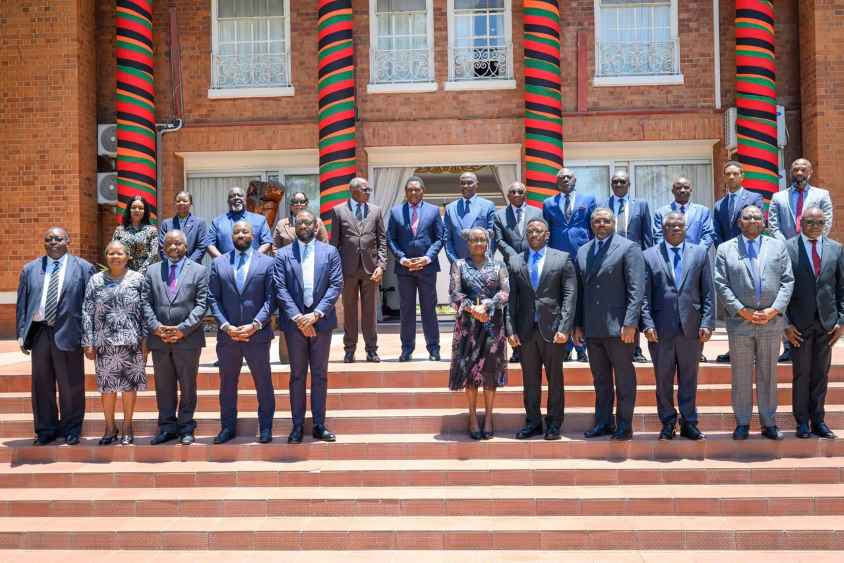
LUSAKA, Zambia, November 6, 2026/APO Group/ –His Excellency Hakainde Hichilema, President of the Republic of Zambia, has received a delegation from Africa Finance Corporation (AFC) (www.AfricaFC.org), led by its President and Chief Executive Officer, Samaila Zubairu, to review progress on the Zambia–Lobito Railway Project. AFC, the continent’s leading infrastructure solutions provider, is the lead sponsor and developer of the project.

The approximately 830-kilometre railway will connect Chingola in Zambia’s Copperbelt to Luacano in Angola, where it will link with the existing Benguela Railway and provide direct access to the Atlantic Ocean through the Port of Lobito.


A strategic component of the broader Lobito Corridor initiative, the project has reached several important development milestones. AFC last month announced preferred bidders for the engineering, procurement and construction (EPC) contracts for the Angolan and Zambian sections, following an international competitive tender. The project has also signed memoranda of understanding and letters of intent with prospective railway users covering approximately 2 million tonnes of freight a year.

Every tonne that leaves Zambia unprocessed takes jobs away with it

In addition to providing a direct Atlantic export route for Zambia’s copper and critical minerals, the project is being developed as an integrated economic corridor supporting agricultural exports, petroleum logistics, manufacturing and regional trade. Transit from the Copperbelt to the Port of Lobito is expected to take approximately seven days.

The project’s commercial strategy targets approximately 5 million tonnes of annual freight at steady state, comprising petroleum products, agricultural commodities, copper, cobalt, zinc and other industrial cargo. AFC is targeting financial close in 2027.

Discussions focused on continued collaboration between AFC and the Government of Zambia on the project’s next steps, including the railway’s right of way and land for associated agricultural, petroleum and freight-handling facilities. The meeting also considered rail sector policy measures to support the corridor’s long-term competitiveness, including integration with the Zambia Railways network and the Chingola–Ndola line.

President Hichilema reaffirmed the railway’s importance to Zambia’s economic development and regional integration. He said: “The Zambia–Lobito Railway is central to our vision of transforming Zambia into a competitive regional hub for trade, manufacturing, agriculture and mineral value addition. By connecting our productive sectors to international markets more efficiently, we can reduce logistics costs, attract investment and create jobs. We welcome AFC’s progress and will continue working closely together to advance this strategic project.”

Samaila Zubairu, President and Chief Executive Officer of AFC, said: “Every tonne that leaves Zambia unprocessed takes jobs away with it. This railway changes that. Starting in Chingola, it gives Zambia a seven-day route to the Atlantic and every reason to process, manufacture and add value at home. With preferred EPC bidders selected and strong interest from freight users, we are now working with the Governments of Zambia and Angola, the African Development Bank, the Government of Italy and our other partners to reach financial close. We are building a railway. Zambia will build an economy on it.”

AFC continues to work with the Governments of Angola and Zambia, the European Union, the United States Government, the Government of Italy and the African Development Bank, alongside Italian development finance institution CDP and Italian export credit agency SACE, to bring the Zambia–Lobito Railway into construction.

Distributed by APO Group on behalf of Africa Finance Corporation (AFC).


Continue Reading

Business

Mukuru Partners with Flash to Add 170,000 Cash Pay-in Points Across South Africa

Published

on

New partnership brings remittance payments into township, peri-urban and rural spaza shops nationwide

JOHANNESBURG, South Africa, November 6, 2026/APO Group/ –Mukuru (www.Mukuru.com), a leading financial services provider, has partnered with Flash, a payments technology company with an extensive network of spaza shops across South Africa, adding 170,000 cash pay-in points where customers can now pay for their Mukuru remittance orders. The network includes Flash’s broader merchant footprint, giving Mukuru access to locations through Flash and its partner networks. These new locations are now operational, reducing the time and distance many customers currently travel to make a payment.

Previously, customers often had to travel to banks or dedicated payment outlets to pay for their Mukuru orders. Now, they can simply visit a spaza shop close to home, work or where they usually shop.

For people in townships, peri-urban and rural areas who rely on cash and have traditionally had limited access to formal pay-in points, particularly South Africa’s migrant communities, this change removes a real barrier and makes it easier to send money home. With these pay-in points inside spaza shops, Mukuru’s services become part of places people already go, meaning fewer extra trips and more timely payments.

Every additional pay-in point represents one less barrier for a customer trying to send money home

“Every additional pay-in point represents one less barrier for a customer trying to send money home,” said Erone Kyte, Commercial Manager: Cross-Border Remittances at Mukuru. “Our partnership with Flash gives us the scale to bring Mukuru’s services into the everyday spaces our customers already know and trust. It’s a meaningful step in making remittances simpler, more accessible and genuinely closer to the communities we serve.”

For Mukuru, working with Flash means reaching even more customers in underserved urban, township, and rural areas. By leveraging Flash’s established network, Mukuru can now offer cash pay-in options where they didn’t exist before. The expanded network is expected to help more people access Mukuru’s services, support growth in its South African customer base, and make cross-border payments more convenient.

Rens Rezelman, General Manager for Flash’s Merchant Division, commented, “Flash works to bridge the digital product and payments gap between businesses and consumers across the country. Launching Mukuru across our network presents another opportunity to bring a familiar brand closer to the people who need it most.”

The sector is now recognised as a R750 billion  industry. According to data tracked by Trade Intelligence, total turnover recently reached R197 billion, growing at roughly 15% annually. Research confirms that traditional trade and spaza shops are growing faster than large supermarket chains, with almost 80% of South African households shopping at these traditional trade outlets regularly. (https://apo-opa.co/4iDwZr8) Bringing Mukuru payments to these stores is a natural fit and helps shop owners draw in more customers and offer more services to their communities. Mukuru and Flash will build awareness of the new pay-in option through store, digital, and community promotions in the coming months.

This partnership is part of Mukuru’s ongoing drive to make cash pay-ins easier and improve access to remittance services for people living and working in areas with limited formal financial services. Over the past two years, the company has made similar moves to make its payment network bigger and more accessible across the region.

Mukuru customers looking to pay closer to home can easily find their nearest participating Flash pay-in point using the Mukuru app or website.

Distributed by APO Group on behalf of Mukuru.


Continue Reading

Business

How CESI is helping shape Africa’s next-gen power grids

Published

on

CESI, a global engineering and consulting company specialising in power systems and energy transition, has supported utilities, transmission system operators and public institutions

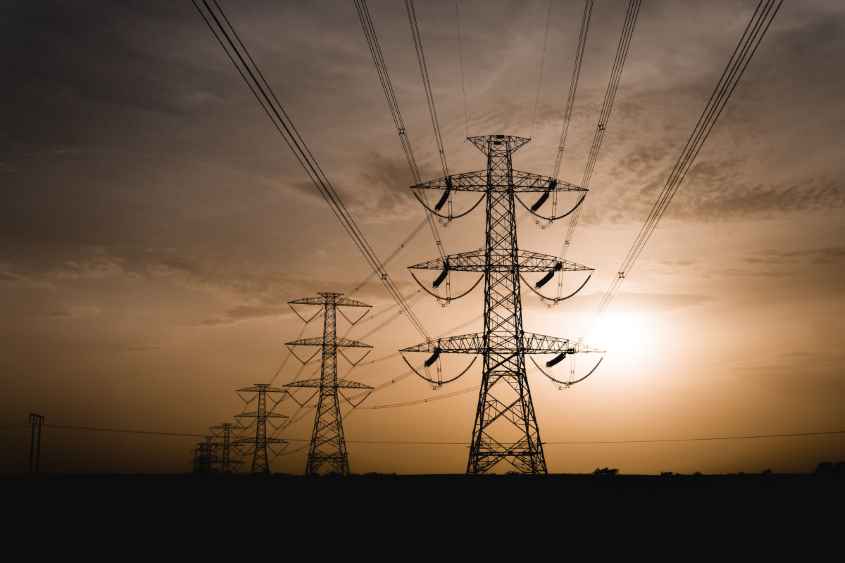
CAPE TOWN, South Africa, November 6, 2026/APO Group/ –Across Africa, power systems are undergoing a profound transformation. Rapid population growth, urbanisation, industrial development and ambitious electrification goals are increasing pressure on networks that must improve reliability, integrate growing volumes of renewable energy and strengthen regional interconnections.


For utilities, regulators and governments, this creates a dual challenge: planning future power systems while modernising the infrastructure required to operate them safely and efficiently.

Drawing on projects delivered across the continent CESI, a global engineering and consulting company specialising in power systems and energy transition, has supported utilities, transmission system operators and public institutions in addressing both long-term planning requirements and grid modernisation challenges. These experiences highlight how strategic planning and operational modernisation are becoming increasingly interconnected.

Planning for growth in a changing energy landscape

Many African countries are updating power sector strategies to reflect changing demand patterns, evolving technologies and new regional opportunities. National master plans in countries including Angola, Mozambique and Liberia are examining how generation, transmission and distribution systems can evolve over the coming decades while remaining technically feasible and financially sustainable.

A key trend is the growing emphasis on integrated planning. Rather than treating generation, transmission and distribution separately, stakeholders are increasingly assessing investments across the entire value chain to meet future demand efficiently and reliably. Demand forecasting methodologies are also evolving, considering industrial development, electric mobility and broader electrification trends.

Renewable energy integration is another central consideration. Africa possesses significant solar, wind and hydropower resources, but integrating these technologies requires careful assessment of transmission capacity, system flexibility, reserve requirements and grid stability. In this context, CESI has contributed to power sector master plans and network studies evaluating future development pathways while addressing reliability, economic and energy transition objectives.

Regional interconnections as strategic infrastructure

Regional integration continues to play an increasingly important role in Africa’s electricity sector. Future Interconnection projects linking countries such as Ethiopia and Somalia, Uganda and Tanzania, and Uganda and South Sudan demonstrate how cross-border infrastructure can enhance energy security and optimise the use of available generation resources.

Delivering these projects requires more than engineering analysis. Technical, economic, regulatory and operational considerations must be aligned among participating countries. Through its involvement in several interconnection initiatives at different stages across Africa, CESI has supported stakeholders in assessing feasibility, network performance and operational requirements for cross-border electricity exchanges.

As regional power markets continue to develop, interconnected systems are expected to contribute further to reliability, operational flexibility and efficient resource utilisation.

Modernising grid operations for greater reliability

Alongside long-term planning, utilities are investing in modern operational technologies to improve management of increasingly complex power systems. Control centres, SCADA systems, energy management systems (EMS) and telecommunications networks are becoming essential components of modern grid operations.

In countries including Mozambique and Angola, projects are supporting the development of advanced control centres capable of monitoring generation facilities, transmission networks and interconnections through integrated operational platforms. These systems provide operators with real-time visibility and decision-support capabilities that strengthen system reliability and operational efficiency.

Meanwhile, programmes in Tunisia and Nigeria illustrate how utilities are upgrading ageing SCADA and EMS infrastructures to meet evolving requirements. Modern solutions increasingly incorporate

  • cybersecurity,
  • wide-area monitoring capabilities and
  • renewable energy management functions.

CESI’s experience in control centres, SCADA/EMS systems and power system operations reflects the growing importance of digital technologies in enabling more resilient and responsive electricity networks.

Building resilience and technical capacity

Environmental and social considerations are becoming increasingly important across both planning and modernisation initiatives. Climate resilience now plays a central role in infrastructure development, particularly in countries exposed to extreme weather events or heavily dependent on hydropower resources. As a result, environmental and social assessments are increasingly integrated into project design and investment decision-making processes.

Capacity building is equally important. New technologies and analytical tools require utilities and public institutions to continually strengthen technical capabilities. Training and knowledge-transfer programmes have therefore become integral components of many planning, interconnection and grid modernisation projects, helping organisations develop the expertise needed to manage increasingly sophisticated power systems.

An integrated approach to Africa’s power future

Several common themes are emerging across Africa’s electricity sector. Utilities are adopting longer-term planning horizons, renewable energy is becoming a central driver of network development, regional interconnections are expanding opportunities for power exchange, and digitalisation is transforming power system operations.

Together, these trends point towards a broader evolution of African power systems. The challenge is no longer simply expanding infrastructure, but ensuring that future networks are planned, operated and modernised in a coordinated manner. Achieving this objective will require continued collaboration among utilities, governments, regulators, financiers and technical stakeholders.

Experience across the continent suggests that integrating sound planning with targeted grid modernisation can support the development of more reliable, resilient and adaptable power systems, helping meet Africa’s long-term economic and social development goals.

CESI is a partner of ESI Africa, the power, energy, water, transport and utility multimedia platform that forms part of VUKA Group.

Read the article and access more information: https://apo-opa.co/47Xr1g3

Distributed by APO Group on behalf of VUKA Group.


Continue Reading

Trending

Exit mobile version