Connect with us

Energy

Africa’s Green Economy Summit (AGES) 2026 to unveil Africa’s premier pipeline of investment-ready green ventures making a difference toward net zero goals

Published

on

vukagroup

AGES 2026 is poised to be a pivotal event in driving Africa’s just transition, underscoring the continent’s leadership in developing scalable, sustainable, and economically viable solutions to global challenges

The Pitch Programme offers an unparalleled opportunity for investors to engage directly with the innovators shaping Africa’s green future

CAPE TOWN, South Africa, December 4, 2025/APO Group/ –Africa’s Green Economy Summit (AGES 2026) is set to host an unparalleled showcase of investment-ready green economy projects from across the continent. With over 100 applications meticulously vetted by its expert investors committee, nearly 30 pioneering Pan-African initiatives have been selected to present their transformative solutions. This curated pipeline, spanning crucial sectors from clean energy to climate-smart agriculture, underscores Africa’s pivotal role in the global green transition and AGES 2026’s commitment to connecting global capital with impactful African ventures.

Elodie Delagneau, Investment Project Lead at VUKA Group, emphasised the significance of this year’s selection: “The overwhelming response and the exceptional quality of applications reaffirm Africa’s immense potential in the green economy. AGES 2026 is not merely a conference; it is the definitive platform where serious capital meets serious impact. Our rigorous vetting process ensures that investors encounter thoroughly de-risked and scalable projects that are poised to deliver both significant financial returns and verifiable environmental and social benefits.”

A curated pipeline of innovation

The Pitch Programme is the culmination of extensive market research and rigorous evaluation, designed to identify and elevate projects that are not only innovative but also strategically aligned with Africa’s sustainable development goals. These initiatives represent the cutting edge of green and blue economy solutions, ready to drive tangible progress across the continent.

Our committee, comprised of leading investors and industry experts, has meticulously selected nearly 30 game-changing ventures. This sneak peek offers a glimpse into the future of Africa’s green economy, featuring solutions that are ripe for investment and set to transform industries and communities alike.

Approaching Africa’s critical green economy verticals

AGES 2026 will present a diverse portfolio of projects categorised into eight high-growth sectors, each offering compelling investment opportunities:

  • Energy: Powering Africa’s Green Transformation

The sector is fundamental for Africa’s development, with over 600 million lacking electricity. Projects range from utility-scale solar and wind to mini-grids, energy storage, and green hydrogen initiatives. These ventures offer rapid emissions reductions, enhance energy security, and unlock new economic opportunities. Investors will find projects leveraging Africa’s abundant renewable resources, supported by favourable policies and innovative financing.

  • Transport & E-Mobility: Accelerating Sustainable Connectivity

Addressing urbanisation and emissions, this sector showcases projects focused on electrifying Africa’s transport systems. Initiatives span electric buses, two/three-wheelers, and innovative logistics solutions. These projects aim to reduce fossil fuel consumption, improve urban air quality, and enhance economic productivity through modern, efficient, and clean mobility infrastructure.

  • Waste & Circular Economy: Transforming Waste into Value

This critical sector tackles public health, urban resilience, and climate mitigation by converting waste into valuable resources. Projects include advanced recycling facilities, waste-to-energy solutions, organic waste composting, and innovative approaches to utilising invasive species. These ventures create jobs, reduce landfill reliance, and generate new revenue streams from what was once considered waste.

  • Water & Resilience: Safeguarding Africa’s Most Precious Resource

Water security is paramount for health, agriculture, and industrial activity, especially as climate change intensifies drought and flood risks. Projects in this sector focus on building resilient water infrastructure, developing decentralised water services, and implementing climate-resilient solutions such as groundwater monitoring and integrated catchment rehabilitation.

  • Sustainable Agriculture & Food Systems: Cultivating Africa’s Future

With agriculture central to livelihoods, this sector presents projects focused on sustainable practices that increase productivity, climate resilience, and food security. Initiatives range from vertical farming and biochar-based fertilisers to agri-tech platforms and cold chain solutions. These projects aim to reduce emissions, enhance soil health, boost yields, and empower smallholder farmers across the continent.

  • Biodiversity & Nature Finance: Safeguarding Africa’s Natural Capital

Africa’s vast biodiversity underpins essential ecosystem services and climate regulation. Projects in this sector mobilise capital to protect, restore, and sustainably manage critical ecosystems like forests, wetlands, and coastal zones. Initiatives such as REDD+ programs and blue carbon projects offer high-impact conservation opportunities with significant co-benefits for local communities and tourism.

  • Digitalisation & Climate Tech: Accelerating Green Innovation

Digital tools are proving to be powerful accelerators for climate solutions, optimising energy use, enhancing agricultural productivity, and improving resource management. This sector features projects leveraging IoT, AI, and blockchain for supply chain traceability, carbon accounting, and new green business models. These technologies reduce transaction costs and dramatically increase the scalability of green projects.

  • Carbon Markets & Credits: Monetising Climate Action

Carbon markets are emerging as a powerful mechanism to mobilise private capital for climate mitigation and nature-based solutions. Projects here focus on generating high-integrity carbon credits through renewables, avoided deforestation, mangrove restoration, methane capture, and sustainable agriculture. These initiatives channel crucial finance to projects that deliver verifiable climate benefits alongside significant social outcomes.

Experience the power of connection

AGES 2026 stands as Africa’s most influential gathering for green investment, innovation, and policy. The summit is meticulously designed to foster direct connections between global capital and the most promising green economy projects.

“The Pitch Programme offers an unparalleled opportunity for investors to engage directly with the innovators shaping Africa’s green future,” Delagneau added. “Beyond the pitches, attendees will benefit from purpose-built matchmaking sessions, networking opportunities with leading DFIs, corporate partners, and policymakers, and deep insights into the continent’s evolving green economy landscape. Our goal is to significantly accelerate deal flow and ensure that every investor finds projects that align with their financial and impact mandates.”

The summit also includes a robust mentorship program for pitching projects, ensuring they are investor-ready and equipped with compelling narratives. This holistic approach reinforces AGES 2026’s commitment to not just showcasing projects but actively facilitating their success and growth.

AGES 2026 is poised to be a pivotal event in driving Africa’s just transition, underscoring the continent’s leadership in developing scalable, sustainable, and economically viable solutions to global challenges.

More information or registration: www.GreenEconomySummit.com

To download the event brochure, click here (https://apo-opa.co/4pRd1LN).

Distributed by APO Group on behalf of VUKA Group.

Home  Facebook

Energy

African Energy Chamber (AEC) Endorses Kigali’s Africa CEO Forum as the Continent’s Strategic Hub

Published

on

With thousands of executives, investors and policymakers gathering in Rwanda this May, the African Energy Chamber is urging the energy industry to support African-led platforms that tackle energy poverty, mobilize investment and drive the continent’s economic future

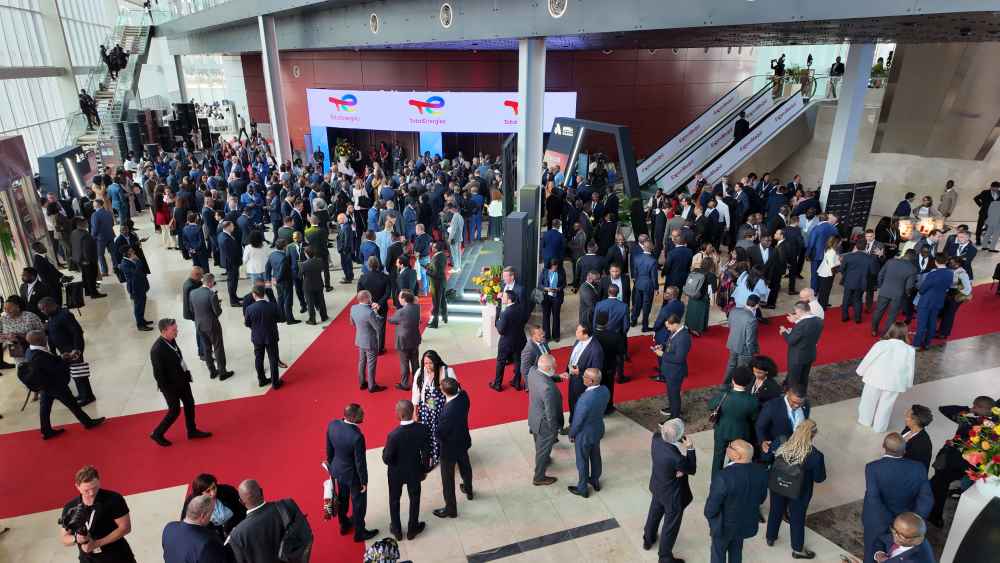
KIGALI, Rwanda, February 6, 2026/APO Group/ –The African Energy Chamber (AEC) (https://EnergyChamber.org) has formally endorsed the upcoming Africa CEO Forum in Kigali, positioning the May 2026 gathering as a critical platform for investment, partnership and policy dialogue across the continent. Scheduled for May 14-15 in Rwanda’s capital, the forum is expected to convene approximately 2,800 CEOs, heads of state, ministers and business leaders, reinforcing its status as the largest annual meeting of Africa’s private sector.


For the AEC, Kigali represents a strategic venue where African decision-makers, global investors and industry leaders can align around practical solutions to the continent’s most pressing challenge: ending energy poverty while accelerating economic growth. By bringing together stakeholders from more than 90 countries alongside hundreds of government representatives and journalists, the forum creates a rare environment capable of translating dialogue into bankable projects and long-term partnerships.

Africa’s energy future should be defined by Africa – and platforms such as the Africa CEO Forum are strategic opportunities to advance Africa’s energy narrative

This positioning aligns with the Africa CEO Forum’s core mission: highlighting the driving role of the private sector in Africa’s development through high-level networking, deal-making opportunities and strategic analysis from leading institutions. Participants gain access to decision-makers, insight into emerging investment projects and direct engagement with public authorities seeking public-private partnerships.

Energy remains central to these discussions. Despite Africa’s vast natural resources, over 600 million still lack access to reliable electricity and 900 million to clean cooking solutions, constraining industrialization, job creation and social development. The AEC maintains that addressing this crisis will require sustained investment across oil, gas, power and emerging low-carbon technologies – supported by regulatory certainty and African financial leadership.

“Africa’s energy future should be defined by Africa – and platforms such as the Africa CEO Forum are strategic opportunities to advance Africa’s energy narrative. The Forum in Kigali provides the platform where investors, governments and industry can engage directly, mobilize capital at scale and build partnerships that deliver reliable, affordable power to African citizens,” states NJ Ayuk, Executive Chairman of the African Energy Chamber.

Kigali also reflects a broader shift in confidence toward African economic leadership. Rwanda’s rise as a hub for high-level continental dialogue shows how stable governance, investment-friendly policies and regional connectivity can position African cities at the forefront of global business discussions. Ultimately, Africa’s journey toward energy security and prosperity will be defined by partnerships forged on the continent itself.

As momentum builds toward May, the AEC is calling on energy stakeholders across the value chain to engage actively in Kigali – bringing projects, financing solutions and long-term commitment. Participation ensures that Africa’s economic and energy future is not merely discussed abroad, but designed, financed and delivered where it matters most.

Distributed by APO Group on behalf of African Energy Chamber.

Continue Reading

Energy

South Africa’s Upstream Petroleum Resources Development Act (UPRD Act): Can Legal Certainty Revive Major Investment After IOCs’ Exit?

Published

on

South Africa’s new Upstream Petroleum Resources Development Act offers a fresh regulatory framework, but is it enough to bring supermajors back, or will independent players now dominate the landscape?

CAPE TOWN, South Africa, February 6, 2026/APO Group/ –The high‑profile exit of global energy major TotalEnergies from deepwater Blocks 11B/12B and 5/6/7 – home to the Brulpadda and Luiperd gas discoveries – was a significant setback for South Africa’s plans to use domestic resources to boost energy security and economic growth. TotalEnergies, together with partners QatarEnergy and CNR International, gave up their stakes after determining that the discoveries could not be commercially developed under the existing market conditions and regulatory framework.


The exits underscored long‑standing industry frustrations with South Africa’s legal and regulatory environment, widely seen as lacking the clarity and predictability that deepwater investors demand. That backdrop helps explain the government’s passage of the Upstream Petroleum Resources Development Act (UPRD Act) – a standalone legislative framework designed to replace the petroleum provisions embedded in the old Mineral and Petroleum Resources Development Act and provide a bespoke upstream regime.

At its core, the UPRD Act aims to accelerate exploration and production of South Africa’s petroleum resources by providing clear rules and stable rights for companies – key to attracting major investment. It combines exploration and production rights into a single petroleum right, sets out controlled licensing rounds, guarantees third-party access to infrastructure, and establishes the Petroleum Agency of South Africa as a clear regulatory authority. The law also promotes active participation by the State and previously disadvantaged South Africans, mandates local content, allows a share of output to be sold for strategic stock purposes, and separates oil and gas regulation from mining rules to reduce red tape and simplify operations.

Yet the big question remains: will this new legal certainty be enough to lure back the supermajors, or has the landscape shifted toward leaner, more aggressive independent companies seeking opportunities where majors have stepped away?

 It shows how regulatory reform is essential to restoring investor confidence

“Simply put, TotalEnergies’ exit was a blow to South Africa’s energy industry. These discoveries brought to light alternative energy solutions for a country plagued with a decade‑long energy crisis. However, without clear, predictable rules, even world‑class discoveries struggle to progress to commercial development. It shows how regulatory reform is essential to restoring investor confidence,” states NJ Ayuk, Executive Chairman of the African Energy Chamber.

The UPRD Act now provides that framework, but timing is crucial. The regulations needed to put the Act into practice are still being finalized, and until these rules – covering licensing, environmental safeguards and rights administration – are published and tested in early rounds, investor confidence is likely to remain cautious.

For supermajors, investment decisions are increasingly guided by a global strategy that prioritizes projects with clearer returns and lower regulatory risk. With growing pressure to meet climate targets and streamline their portfolios amid the energy transition, deepwater frontier projects in emerging markets are less appealing unless they come with clear, predictable terms.

This creates an opening for independent and smaller players. Companies like Africa Energy Corp. – which increased its stake in Block 11B/12B after the majors’ exit – could view South Africa’s upstream sector as a promising opportunity. With leaner cost structures and a greater tolerance for frontier risk, these players can advance projects that supermajors may avoid, potentially driving local value creation and technology transfer through a different investment model.

Looking ahead to African Energy Week (AEW) 2026 – the continent’s premier energy summit bringing together governments, investors and service companies – the UPRD Act is expected to be a central topic in discussions surrounding South Africa. AEW offers a high‑profile platform to showcase the country’s evolving policy landscape and could set the stage for the first post‑Act licensing round. Industry leaders are likely to debate whether the framework delivers on its promise of stability and what conditions might be needed to attract supermajors back.

Ultimately, South Africa’s upstream rebound will depend on execution: if the regulations foster transparency, competitive terms and confidence in governance, the UPRD Act could be a turning point. If not, the sector may settle into a new normal where ambitious independents, rather than supermajors, drive the next chapter of oil and gas development.

Distributed by APO Group on behalf of African Energy Chamber.

Continue Reading

Business

The International Islamic Trade Finance Corporation (ITFC) Strengthens Partnership with the Republic of Djibouti through US$35 Million Financing Facility

Published

on

This facility forms part of the US$600 million, three-year Framework Agreement signed in May 2023 between ITFC and the Republic of Djibouti, reflecting the strong and growing partnership between both parties

JEDDAH, Saudi Arabia, February 5, 2026/APO Group/ –The International Islamic Trade Finance Corporation (ITFC) (https://www.ITFC-IDB.org), a member of the Islamic Development Bank (IsDB) Group, has signed a US$35 million sovereign financing facility with the Republic of Djibouti to support the development of the country’s bunkering services sector and strengthen its position as a strategic regional maritime and trade hub.

The facility was signed at the ITFC Headquarters in Jeddah by Eng. Adeeb Yousuf Al-Aama, Chief Executive Officer of ITFC, and H.E. Ilyas Moussa Dawaleh, Minister of Economy and Finance in charge of Industry of the Republic of Djibouti.

The financing facility is expected to contribute to Djibouti’s economic growth and revenue diversification by reinforcing the competitiveness and attractiveness of the Djibouti Port as a “one-stop port” offering comprehensive vessel-related services. With Red Sea Bunkering (RSB) as the Executing Agency, the facility will support the procurement of refined petroleum products, thus boosting RSB’s bunkering operations, enhancing revenue diversification, and consolidating Djibouti’s role as a key logistics and trading hub in the Horn of Africa and the wider region.

We look forward to deepening this partnership, creating new opportunities, and leveraging collaborative programs to advance key sectors and drive sustainable economic growth

Commenting on the signing, Eng. Adeeb Yousuf Al-Aama, CEO of ITFC, stated:

“This financing reflects ITFC’s continued commitment to supporting Djibouti’s strategic development priorities, particularly in strengthening energy security, port competitiveness, and trade facilitation. We are proud to deepen our partnership with the Republic of Djibouti and contribute to sustainable economic growth and regional integration.”

H.E. Ilyas Moussa Dawaleh, Minister of Economy and Finance in charge of Industry of the Republic of Djibouti, commented: “Today’s signing marks an important milestone in the development of Djibouti’s bunkering services and reflects our strong and valued partnership with ITFC, particularly in the oil and gas sector. This collaboration supports our ambition to position Djibouti as a regional hub for integrated maritime and logistics services. We look forward to deepening this partnership, creating new opportunities, and leveraging collaborative programs to advance key sectors and drive sustainable economic growth.”

This facility forms part of the US$600 million, three-year Framework Agreement signed in May 2023 between ITFC and the Republic of Djibouti, reflecting the strong and growing partnership between both parties.

Since its inception in 2008, ITFC and the Republic of Djibouti have maintained a strong partnership, with a total of US$1.8 billion approved primarily supporting the country’s energy sector and trade development objectives.

Distributed by APO Group on behalf of International Islamic Trade Finance Corporation (ITFC).

Continue Reading

Trending

Exit mobile version