

Business
Rewarding Informal Traders on Their Pathway to Formality
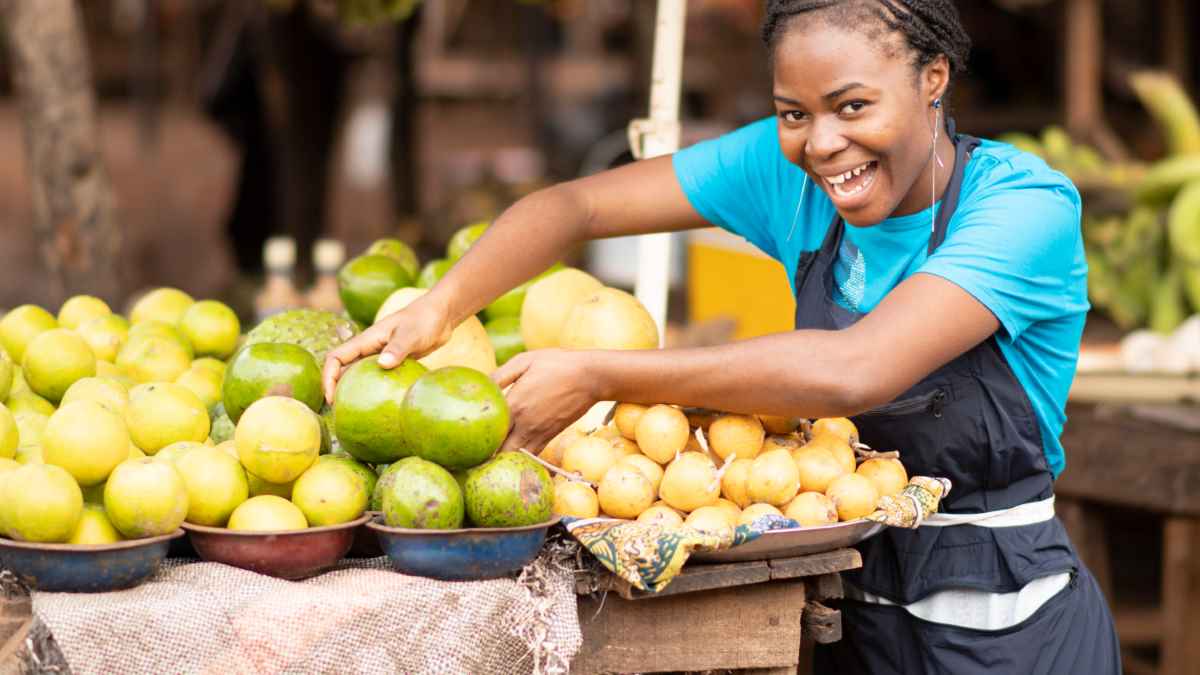
4G Capital is dedicated to bridging the finance gap to advance MSMEs and help informal traders transition to the formal economy on fair and equitable terms
NAIROBI, Kenya, November 18, 2022/APO Group/ —
Micro, small and medium-sized enterprises (MSMEs) are considered critical for driving economic development that will reduce unemployment and poverty across Africa.
These enterprises, of which there are around 40 million in the region, account for 60 per cent of Africa’s workforce and form an enormous part of many nations’ economies, generating over 50% of all wealth. However, these businesses, vital to uplifting living standards, are severely underfinanced. In Africa, the financing gap is thought to be around $330 billion annually. The key to bridging this is the microfinance sector, providing financial services to those who do not have access to traditional banking and credit services.
4G Capital offers a way to move faster and go deeper
In Kenya and Uganda, 4G Capital is dedicated to bridging the finance gap to advance MSMEs and help informal traders transition to the formal economy on fair and equitable terms.
The company, operating since 2013, provides unsecured working capital microloans alongside critical enterprise and financial literacy training via digital channels and in person through nationwide branches.
4G Capital, rather than blind-lending digitally, lends to individuals after a due diligence and onboarding process that identifies their needs and focuses on training them to sustainably and profitably grow their businesses. This ultimately means they can repay their loans and dramatically increases the chance of building viable businesses that can truly make a wider socioeconomic difference. Research shows 4G Capital’s customers grow their revenues by an average of 82% annually.
So far, 4G Capital has issued more than 2.27 million loans to over 307,000 clients, 53% of which are rural MSMEs and almost three-quarters run by women.
In-house technology and data science have been critical to this end. Credit reference bureaus (CRBs) across Africa face difficulty in including the informal sector, not least because they struggle to obtain complete financial profiles of individuals and their businesses.
4G Capital does not rely upon CRBs to assess whether a client can be served, with all risk assessment and due diligence activities being taken in-house. Similarly, 4G Capital does not report defaulters to the CRB, instead working with them to return to financial health.
The company addresses a problem that is bigger than you might think. Figures from 2018 show that just 11% of Africa’s population had their credit information recorded by private credit bureaus, a worryingly low figure when compared to comparable regions such as emerging Asia (17%) and Latin America (79%). And it is worrying because traditional banks rely on these consumer credit models to evaluate risk, meaning large cohorts of the African population are excluded from the world of credit.
4G Capital bypasses this outdated model. And where others attempt due diligence by mining information from phone bills and mobile money records, 4G Capital, by contrast, physically visits and interviews each customer and processes findings through its “EVA” (evaluation algorithm) AI platform. Customers are then given in-person and online financial literacy training alongside their loans.
In a global economic crisis, we need to energise small business earning power
Rewarding client loyalty
Given the small size of capital injections offered, clients typically take out several micro-loans consecutively as they seek to mature their businesses.
4G Capital has launched a loyalty programme to support their growth ambitions, whereby clients gain more favourable borrowing rates as they repay subsequent loans.
This, the company says, is in response to several factors. Not only does it demonstrate 4G Capital’s leadership in challenging market conditions, where clients tackle extreme increases in cost-of-living and cost-of-operating, but it also forms a vital part of its mission to use and protect client data responsibly.
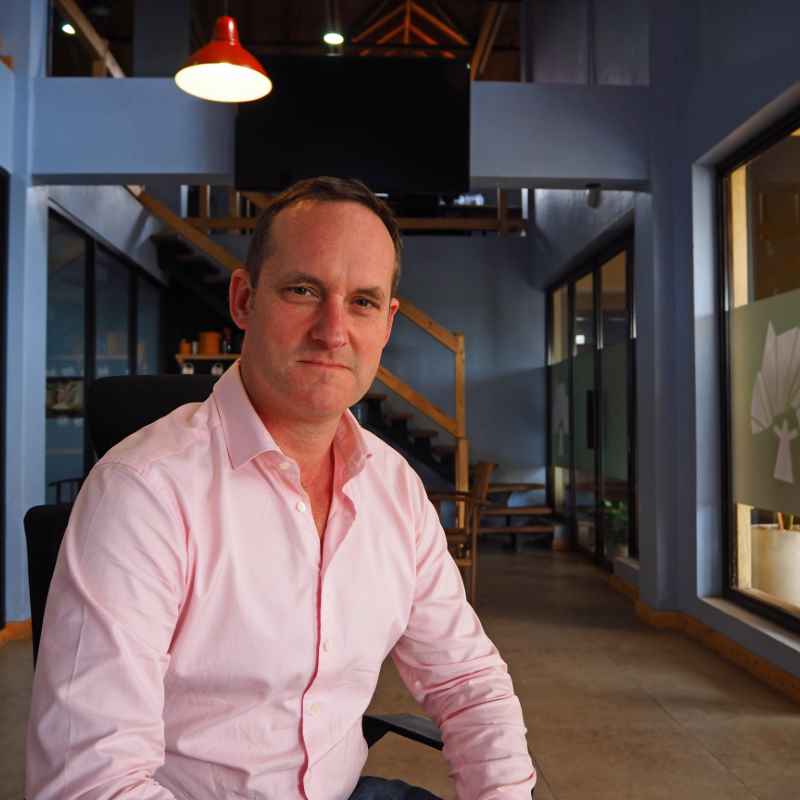
“In a global economic crisis, we need to energise small business earning power,” affirmed 4G Capital CEO Wayne Hennessy-Barrett.
“By dropping our prices, we stand with mwananchi to help small traders grow their credit score and access discounting while retaining our award-winning blend of enterprise training and working capital loans. Digital financial service providers have a vital role in helping the informal economy transition to an integrated part of a modern nation”.
The move to reward loyalty and discount its “Upia” direct lending product is enshrined in 4G Capitals #HeroesoftheHustle campaign, which aims to recognise the growth and resilience of the grassroots economy in Kenya and Uganda.
All 4G Capital’s 300,000-plus clients will benefit from the scheme. There are four loyalty categories; Bronze, Silver, Gold and Diamond, with interest rates ranging from 0.9% to 0.75%, respectively.
Typically, 4G Capital sees its clients grow their revenues by an average of 82% yearly.
Jane Oyolo, for instance, runs a budding second-hand clothes business. She travels to Nairobi weekly in her Probox to purchase bales of clothes which she resells in Nyanza Province. When she was first introduced to 4G Capital, she received a loan of around $160. Since then, Jane has made her repayments within the minimum loan repayment period and has taken on numerous repeat loans.
“4G Capital has been of immense help,” she told us. “Through my business profits, I have bought a plot of land and have even built a foundation for a house.”
Indeed, as businesses such as Jane’s increase their earning power and creditworthiness, they can engage more traditional financial services and command larger working capital debt, propelling them into the formal economy and on to the next level of development and maturity. This will be critical to driving socio-economic development across the continent, the objective of 4G Capital’s mission ‘to grow business with capital and knowledge’.
Distributed by APO Group on behalf of 4G Capital.










Business
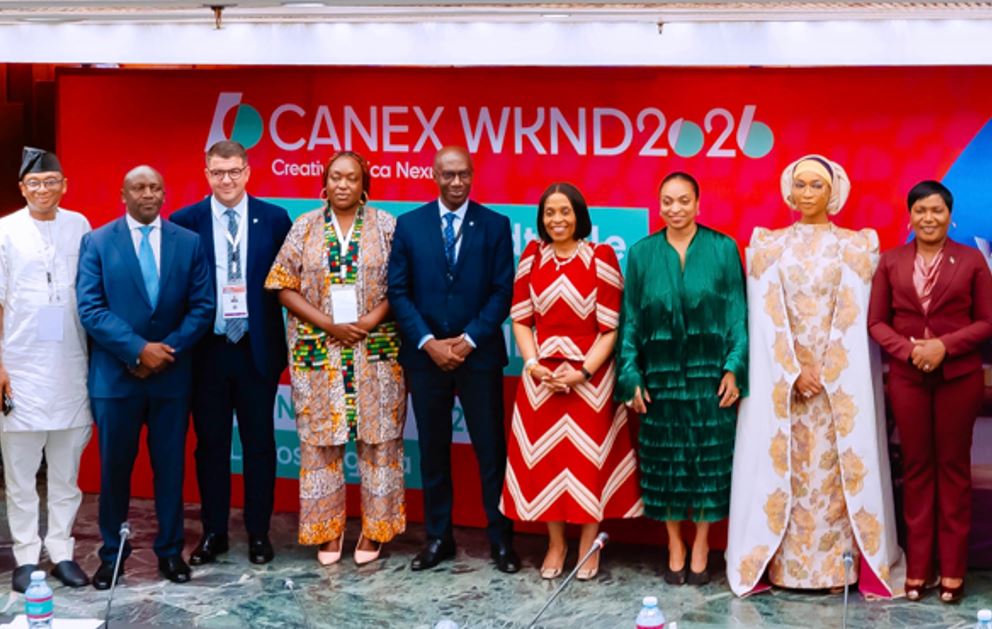
Creative Africa Nexus (CANEX) WKND 2026 opens in Lagos, bringing together leading African and diaspora creatives, investors and policymakers
Business
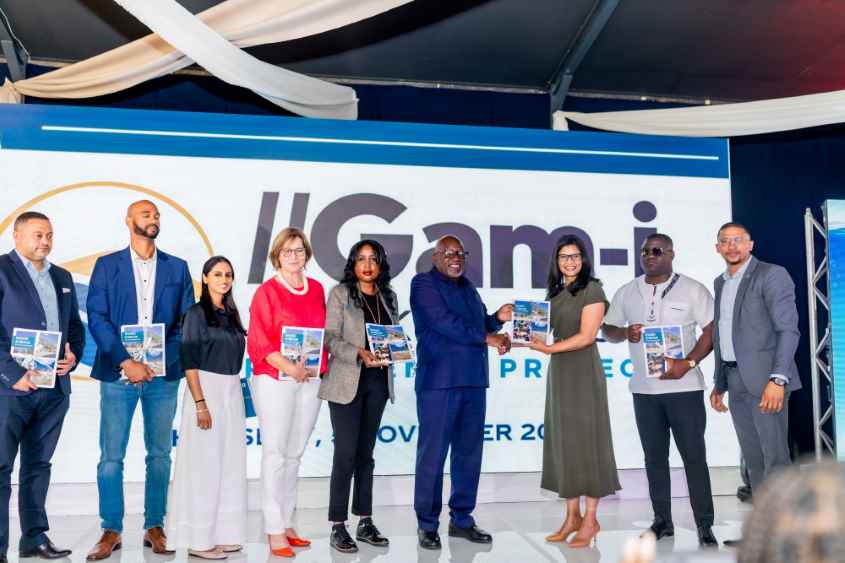
Coca-Cola system invests USD 1.22 million to strengthen water security in Namibia
Business
‘Power, Protect, Purchase’: Africa Made It unveils blueprint to capture USD 34B in GDP and accelerate African industrial sovereignty
Africa Practice research shows that Africa exports up to 98% of its raw cotton overseas and captures only 2% of its total value while incurring a USD 35 billion annual trade deficit

African culture, design, and storytelling influence global fashion, music, and media like never before
Africa Made It is driven by a consortium of leading pan-African organisations, advocacy groups, and media organisations who are positioning Africa as a global investment hub. Its flagship campaign, spotlighting the fibre-to-fashion value chain, presents a clear roadmap for continental industrialisation: securing competitive energy power for local industrial mills, enacting policy measures to protect emerging domestic manufacturers from unfair foreign imports, and rallying African consumers to purchase locally manufactured apparel. Together, these three pillars ensure that value created from African resources remains on African soil.
Africa Practice research shows that Africa exports up to 98% of its raw cotton overseas and captures only 2% of its total value while incurring a USD 35 billion annual trade deficit. Building the continent’s domestic processing capacity in spinning, weaving, and sewing locally produced cotton will sustain nearly two million permanent industrial jobs and inject approximately USD 33 billion directly into domestic household incomes every year, in addition to a recurring contribution of USD 34 billion to the continent’s GDP.
While these figures reveal the immense macro-economic potential of the value chain, the true heart of this transformation lies in its human impact. Industrial wages and local lint purchases leading to increased capital circulation in rural communities can drive community micro-economic vitality and contribute to rural poverty reduction. Additionally, formal employment opportunities can expand drastically for women, as they currently make up between 70-90% of garment factory workers on the continent.
Realising this vision and changing the lives of millions of people requires a deliberate combination of targeted investments, supportive trade policies, and consumer mobilisation. A USD 1.8 billion capital allocation toward critical structural enablers for garment transformation is the foundation for bridging Africa’s missing middle in the fibre-to-fashion value chain.
Marie Wilke, editor-in-chief of the Africa Made It magazine, said, “African culture, design, and storytelling influence global fashion, music, and media like never before. Yet, without domestic manufacturing infrastructure, Africa’s creative authority yields very little economic return. Linking raw cotton harvest directly to local processing ensures that the intellectual property, commercial margins, and industrial jobs remain on the continent. It is time to wear our power.”
To learn more about the potential of Africa’s fibre to fashion value chain, watch the campaign video (https://apo-opa.co/4BKAIvY) or read the Africa Made it (https://apo-opa.co/4zvA5VF)magazine (https://apo-opa.co/4zvA5VF). Access the campaign website and resources in English (https://apo-opa.co/4zvA5VF) and French (https://apo-opa.co/4zrK8e2).
Distributed by APO Group on behalf of Africa Made It.
-

 Business4 days ago
Afreximbank supports Veenocks’ US$145 million project for industrial expansion and regional growth
-
 Business4 days ago
Visa and Senegal join forces to accelerate digital transformation and the development of digital payments
-
Business4 days ago
Afreximbank Country Brief Explores Gabon’s Reform Momentum and Diversification Drive
-
 Business4 days ago
Oando Production Hits 42,985 boepd as Revenue Grows 9% in 9M 2026
-
 Business4 days ago
5 Investment Opportunities Putting Congo Energy & Investment Forum (CEIF) 2027 on the Map for Central Africa
-
 Energy4 days ago
Energy costs, storage value and industrial competitiveness led Day 2 of C&I Energy + Storage Summit
-
Business4 days ago
Afreximbank Country Brief Charts Côte d’Ivoire’s Rise as a Regional Growth Leader in West Africa
-

 Business4 days ago
Smarter power systems bring new demands for integration, security and infrastructure