Connect with us
Anglostratits

Business

Global Africa Business Initiative (GABI) Conversations highlight the crucial role of digital transformation for Africa’s future

Published

on

Global Africa Business Initiative

The GABI Conversations have highlighted the immense potential of digital technologies and AI for Africa, and we must continue to drive these efforts forward collaboratively

Digital transformation is not just a pathway to economic growth but a vital component for sustainable development in Africa

KIGALI, Rwanda, August 5, 2024/APO Group/ —

Digital skills in Africa need to be developed to promote economic growth and development. Additionally, a conducive environment needs to be established where these skills can thrive. This involves implementing comprehensive strategies that include infrastructure, policy support, and ecosystem development. This is one of the key highlights emerging from a recent report issued by the Global Africa Business Initiative (GABI) (www.GABI.unglobalcompact.org/). GABI is a solution-oriented global platform connecting leaders from all over the world to drive and invest in the unstoppable opportunity of Africa’s economic growth.

The report, titled ‘GABI Conversations’, captures the essence of the UN Global Compact roundtable discussions held on the sidelines of the 2024 Africa CEO Forum in Kigali, Rwanda. Under the theme of ‘Digital Transformation’, this exclusive gathering in May 2024 brought together prominent African CEOs, representatives from global and African businesses, government officials, and key stakeholders in the digital sector to engage in targeted, solution-oriented conversations aimed at driving investment and growth on the African continent.

“Digital transformation is not just a pathway to economic growth but a vital component for sustainable development in Africa. By investing in infrastructure, fostering policy support, and empowering our entrepreneurs and workforce, we can create an environment where digital skills thrive. The GABI Conversations have highlighted the immense potential of digital technologies and AI for Africa, and we must continue to drive these efforts forward collaboratively. Together, we can ensure that Africa not only participates in the digital economy but leads it,” said Sanda Ojiambo, Assistant Secretary-General and CEO of the United Nations Global Compact.

Africa’s digital economy is projected to reach (http://apo-opa.co/3WzSY7j) $180 billion by 2025, and $712 billion by 2050. This growth is fueled by a vibrant innovation ecosystem in industries like mobile financial services, telemedicine, and e-commerce.

The demand for digital skills training in Africa is also expected to surge in the coming decade as jobs that previously did not require digital skills will begin to do so.

It’s estimated that some 230 million jobs across Africa will require some level of digital skills by 2030 (http://apo-opa.co/4dvOwxn). This translates to a potential for 650 million training opportunities.

The event featured a series of panels and fireside chats that delved into critical discussions on the solutions needed to drive Africa’s economic growth. Key conversations focused on bridging the digital divide by providing skills, infrastructure, finance, and other opportunities. Key topics covered included AI governance, technology and the supply chain, the digital economy, upskilling of the future workforce, data centers, and digital infrastructure, among others.

Speakers at the event included H.E. Professor Yemi Osinbajo, Former Vice President of Nigeria and Guardian of the Timbuktoo Africa Innovation Foundation, H.E. Paula Ingabire, Minister of ICT and Innovation for the Republic of Rwanda, and Mr. Alex Okosi, CEO of Google Africa representing the GABI Circle. The discussions were moderated by Dr. Acha Leke, Chairman of McKinsey Africa, and hosted by Mr. Ozonnia Ojielo, the UN Resident Coordinator to Rwanda.

Key Conversations Insights

The significance of multi-stakeholder collaboration was emphasized by participants, highlighting the essential need for cooperation between governments, private sector entities, and other stakeholders to accelerate digital transformation. This collaborative strategy is essential for overcoming obstacles and amplifying the effect of digital initiatives. Emphasis was placed on the necessity of cultivating a highly skilled workforce, described as an ‘army’ of digital professionals, to advance the digital agenda.

It was stressed that AI has immense potential for the future of Africa. However, the continent must develop the necessary infrastructure to support AI technologies.

Additionally, it was emphasized that for Africa to benefit from digital transformation, it is essential to establish data centers on the continent. The presence of data centers in only a few African countries hampers progress. It was also stated that data centers must be financially viable and sustainable to bolster digital transformation.

To ensure individuals can effectively participate in and benefit from the digital economy, the discussions stressed the critical need for comprehensive capacity-building initiatives. One of the key highlights was the call for successful entrepreneurs to establish funds dedicated to supporting emerging entrepreneurs, thereby expanding and strengthening the digital economy.

Key Recommendations

The GABI Conversations highlighted the immense potential of digital technologies and AI for transforming Africa. To unlock this potential, it is vital to bridge infrastructure gaps, cultivate collaboration among diverse stakeholders, and empower individuals and entrepreneurs. Creating an enabling environment and making strategic investments in digital infrastructure are essential steps for Africa to achieve a prosperous digital future.

The key recommendations from the conversations include GABI establishing itself as a leading advocate for AI in Africa from 2025 onwards, with a focus on promoting the necessary infrastructure for AI technologies. Additionally, it was recommended to leverage the GABI platform to build on the initiatives of the UN Secretary-General’s AI Advisory Body, adapting the report’s outcomes to the specific needs of Africa.

Lastly, the recommendations emphasized the importance of using the GABI platform to engage with African governments and policymakers to advocate for the creation of legal and regulatory frameworks and policies supporting AI development.

Following the success of GABI Conversations, the UN Global Compact further engaged with business leaders at the African Union mid-year coordination meeting in Accra, Ghana. These events serve as a prelude to the 25 and 26 September 2024 ‘Unstoppable Africa’ event in New York during the UN General Assembly week. The insights and recommendations from these conversations will feed into the broader agenda of ‘Unstoppable Africa’ and inform GABI’s strategic programming and partnerships for 2025.

Under the leadership of UN Deputy Secretary-General Amina J. Mohammed, GABI aims to reposition Africa as a business destination and opportunity for investment on the global stage while also contributing towards the African Union Agenda 2063 and the Sustainable Development Goals. 

Interested participants can now register (http://apo-opa.co/3A5Dq3G) to request for an invitation to attend the Unstoppable Africa 2024 event in New York on 25-26 September. For more information on the Global Africa Business Initiative, please visit the website (www.GABI.unglobalcompact.org/). 

Download the GABI Conversations report here (https://apo-opa.co/4dyfAfB) and watch the highlights video of the event here (https://apo-opa.co/4dbAxwS) to explore these insights and gain actionable strategies for driving Africa’s digital transformation.

Distributed by APO Group on behalf of Global Africa Business Initiative.

Events

Global Mayors Dialogue in Wuhan focuses on urban innovation and cooperation

Published

on

The Global Mayors Dialogue

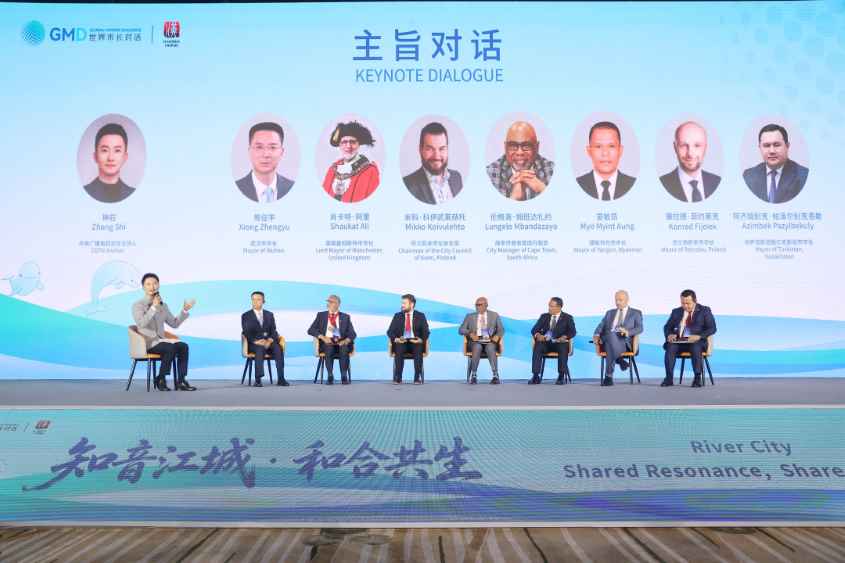
WUHAN, CHINA – Media OutReach Newswire – 23 September 2026 – The Global Mayors Dialogue · Wuhan and the 2026 Wuhan International Friendship Cities Cooperation Conference, held from Sept. 18 to 21, brought together 80 international guests from 24 cities across 22 countries, according to organizers.

At the event, mayors and city representatives from six international sister cities of Wuhan called for closer cooperation in technology, industry, education and culture.

Representatives from Manchester in Britain, Kemi in Finland, Cape Town in South Africa, Yangon in Myanmar, Rzeszów in Poland and Turkistan in Kazakhstan took part in discussions on urban innovation, industrial cooperation and cultural exchange.


Manchester: a new start after 40 years of friendship

This year marks the 40th anniversary of the sister-city relationship between Wuhan and Manchester.

Shaukat Ali, lord mayor of Manchester, said the city was ready to deepen cooperation with Wuhan in education, culture, youth affairs, innovation and industry.

“Manchester is committed to promoting urban transformation through open cooperation, sharing opportunities, and fostering common development with international sister cities like Wuhan,” he said.

Ali said Manchester had developed from a post-industrial city into an innovation-oriented economy, with a focus on advanced manufacturing, artificial intelligence, life sciences and green technologies.

He said the two cities could share experience in urban transformation, innovation districts, university-industry cooperation and low-carbon development, while encouraging links among universities, businesses and research institutions.

He also highlighted existing educational and cultural links, including cooperation between Hubei University and Manchester Metropolitan University and exchanges between the Royal Northern College of Music and Wuhan Conservatory of Music.

Kemi: balancing growth with environmental protection

Mikko Koivulehto, chairman of the City Council of Kemi, said the Finnish city sought to balance economic growth with environmental protection.

“We believe that protecting nature and building a prosperous city can go hand in hand,” he said.

Kemi, a port city in Finnish Lapland, has developed industries based on renewable raw materials, clean energy and the bioeconomy. The city is also seeking to expand tourism and improve livability.

This year marks the 10th anniversary of the friendly exchange relationship between Wuhan and Kemi. The two cities have cooperated in areas including trade, the circular economy, tourism and youth exchanges.

Cape Town: technology and jobs key to urban transformation

Lungelo Mbandazayo, city manager of Cape Town, said technological innovation, talent development, infrastructure and green renewal were key to Wuhan’s transformation.

Cape Town, a UNESCO City of Design, is seeking to expand its technology and digital sectors while promoting green technology and an inclusive economy.

Mbandazayo said youth unemployment remained a major challenge for Cape Town and that technological development needed to create jobs.

After visiting Wuhan companies and technology facilities, he said Cape Town hoped to deepen exchanges with Wuhan in technology and talent.

Yangon: seeking practical cooperation with Wuhan

Yangon Mayor Myo Myint Aung said the city was looking to Wuhan for experience in smart-city development, digital governance, intelligent transport and urban resilience.

Wuhan and Yangon signed a letter of intent on friendly exchanges and cooperation during the event.

Yangon is developing a long-term plan to accommodate population growth and expand its urban, industrial and transport infrastructure.

During a visit to Wuhan on Sept. 19, Myo toured the Optics Valley “Photon” suspended monorail, HGTECH and a Xiaomi smart home appliance factory.

“We came to Wuhan not just to observe, but to learn and cooperate,” he said, adding that Yangon hoped to develop smart manufacturing and strengthen cooperation in information technology.

Rzeszów: opportunities in aerospace and technology

Rzeszów Mayor Konrad Fijołek said the Polish city hoped to cooperate with Wuhan in aerospace, sensor technology, biodiversity and climate action.

Rzeszów is home to the “Aviation Valley,” a major aerospace cluster in Central Europe.

“Exploring cooperation with Wuhan is the reason I came here,” Fijołek said.

After visiting HGTECH and a Xiaomi smart home appliance factory, he said Wuhan’s automated manufacturing and technologies in sensors and satellite systems had impressed him.

He said cities could help connect universities, businesses and research institutions and promote international cooperation.

Turkistan: five areas for cooperation

Turkestan Mayor Azimbek Pazylbekuly said his city hoped to expand cooperation with Wuhan in tourism and culture, education and science, investment and entrepreneurship, digitalization and innovation, and transport and logistics.

Wuhan and Turkistan signed a memorandum of intent on friendly exchanges and cooperation during the event.

Turkistan, an ancient Silk Road city and a UNESCO World Heritage site, has been developing industries including food processing, textiles, furniture and construction materials.

Pazylbekuly said cooperation between governments, businesses, universities and research institutions could help turn the two cities’ exchanges into concrete projects.

The conference also included friendship-city anniversary celebrations and a signing ceremony for 10 cooperation projects. A digital list of cooperation opportunities and an initiative on international friendship-city cooperation were released.

During their stay, the visiting mayors toured Wuhan’s technology, manufacturing and ecological facilities, including the Optics Valley suspended monorail, a Yangtze finless porpoise conservation center, Xiaomi, HGTECH and Dongfeng Motor facilities.



Continue Reading

Business

Binance Invests $100 Million in Circle, Expands Strategic Partnership and Renews for Five Years

Published

on

Binance

New five-year agreement focuses on promotion of USDC globally

JOHANNESBURG, South Africa, September 23, 2026/APO Group/ –Binance (www.Binance.com) today announced a $100 million equity investment in Circle Internet Group, Inc. (NYSE: CRCL) and the expansion and renewal of its strategic partnership to promote USDC across Binance’s global platform. The new arrangement has a term of five years.

Together, we see incredible opportunities to leverage USDC to expand dollar access, support savings and investment with innovative digital asset products

Under the expanded partnership, Binance will promote USDC across its global platform, especially in emerging markets. Circle will provide the infrastructure services that support holding and using USDC.


In connection with the partnership, Binance purchased $100 million worth of shares of Circle Class A common stock, through a private placement at a purchase price reflecting a five percent discount to the market price of CRCL prior to closing.

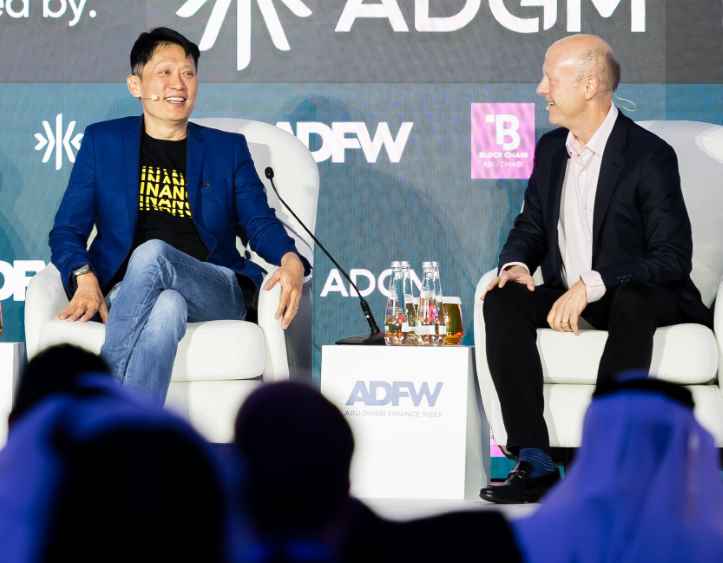
Circle has earned its place as one of the most credible issuers in the world spanning USDC, Arc and the infrastructure reshaping how value moves across borders. Our $100 million investment and five-year commitment represent long-duration conviction,” said Richard Teng, co-CEO of Binance. “We are helping to build a more inclusive, transparent, and compliant digital economy. A stable, trusted digital dollar should not be a privilege–it should be available to anyone with a phone. That’s the future this partnership is designed to deliver.”

Binance has built one of the largest and most dynamic platforms in the world for using digital currency, creating the internet’s largest financial super app, and becoming the most widely used wallets in the world for dollar stablecoins,” said Jeremy Allaire, Co-founder, Chairman and CEO of Circle. “Together, we see incredible opportunities to leverage USDC to expand dollar access, support savings and investment with innovative digital asset products, and reach people and businesses throughout global emerging markets.”

Distributed by APO Group on behalf of Binance.


Continue Reading

Business

Africa Finance Corporation (AFC) Supports Successful Close of ₦729 Billion Series 2 Bonds to Advance Nigeria’s Power Sector Reforms

Published

on

Africa Finance Corporation

Working in partnership with CardinalStone Partners as co-Financial Advisers, the transaction reflects AFC’s deep local market expertise and its continued commitment to delivering complex, high-impact policy advice and financial solutions that catalyse sector-wide reform

ABUJA, Nigeria, September 23, 2026/APO Group/ –Africa Finance Corporation (AFC) (https://www.AfricaFC.org/), the continent’s leading infrastructure solutions provider, today announced its critical role as Co-Financial Adviser on the successful close of the ₦728.9 billion Series 2 power sector bond transaction by NBET Finance Company Plc, under the Federal Government of Nigeria’s Presidential Power Sector Financial Reforms Programme (PPSFRP). The programme is designed to resolve over a decade of legacy debt obligations within the Nigerian electricity supply industry.


This issuance follows the ₦501 billion inaugural Series 1 transaction completed in January 2026, where AFC played the same role of Co-Financial Adviser. The Series 2 close, which brings the cumulative issuance under the Programme to approximately ₦1.23 trillion, marks a significant milestone in the implementation of the ₦4 trillion Power Sector Multi-Instrument Issuance Programme..

The Presidential Power Sector Debt Reduction Committee (PPSDRC) oversees the Programme, with the Office of the Special Adviser to the President on Power provides technical leadership, implementing through the Nigerian Bulk Electricity Trading Plc (NBET)’s special purpose vehicle, NBET Finance Company Plc. Proceeds from the Series 2 issuance will continue to enable the process of settling verified, overdue receivables owed to Power Generation Companies (GenCos) for electricity supplied between February 2015 and March 2025, further extinguishing legacy claims and injecting liquidity into the electricity industry.

Closing the second issuance within eight months of the inaugural series shows the Programme is working as designed

Building on its critical role in Series 1, AFC provided comprehensive financial advisory services to the Federal Government of Nigeria on the Series 2 transaction, including support in negotiating and executing Settlement Agreements with additional GenCos, structuring of the Series 2 cash and non-cash tranches, and investor engagement ahead of the offer. Working in partnership with CardinalStone Partners as co-Financial Advisers, the transaction reflects AFC’s deep local market expertise and its continued commitment to delivering complex, high-impact policy advice and financial solutions that catalyse sector-wide reform.

Banji Fehintola, Executive Board Member and Head, Financial Services at Africa Finance Corporation, said, “Closing the second issuance within eight months of the inaugural series shows the Programme is working as designed- verified legacy obligations are being converted into transparent, investable instruments, and domestic investors are backing that approach. AFC is proud to continue supporting the Federal Government in delivering reforms that restore liquidity to the power sector and lay the foundation for new investment into Nigeria’s generation capacity.”

The Series 2 transaction comes on the back of the full and timely payment of the first coupon and principal instalment on the Series 1 Bonds in July 2026, demonstrating the Federal Government’s commitment to honouring its obligations under the Programme and reinforcing the credibility of the capital-markets approach to resolving legacy sector debt. The issuance, which was oversubscribed, attracted strong demand from pension fund administrators, banks, sovereign wealth funds and asset managers, further mobilising domestic long-term capital for critical electricity infrastructure in Nigeria.

When completed, the Programme will impact approximately 5,398MW of electricity generation capacity by Nigerian GenCos, effectively finalising settlement of payments for 290,644.84GWhr of electricity billed since February 2015 and providing a strong foundation for new investments into capacity enhancement and expansion by companies serving 12 million active registered customers across the country.

Mr. Akin Odeyemi, Managing Director/Chief Executive Officer, Nigerian Bulk Electricity Trading (NBET) Plc. said, “For too long, verified receivables have sat on GenCos’ balance sheets, limiting their ability to pay gas suppliers, maintain plants and invest in new capacity. With Series 2, we are turning more of those arrears into liquidity across the electricity value chain. We thank our investors, the participating GenCos, our advisers and the regulatory authorities whose support made this issuance possible.”

Nigeria’s Presidential Power Sector Financial Reforms Programme forms a fundamental aspect of the energy sector reforms by the government, alongside significant ongoing investments in consumer metering and transmission infrastructure, and a transition to bilateral electricity trading between wholesale counterparties based on market-reflective pricing. Together, these reforms are aimed at ensuring the evolution of a viable and sustainable electricity market in Nigeria to support long-term industrial growth and development.

Distributed by APO Group on behalf of Africa Finance Corporation (AFC).


Continue Reading

Trending