Connect with us

Business

SGI Dubai 2023 set to bolster African printing industry to experience unprecedented growth

Published

on

SGI Dubai

Printing and signage industry in Africa set to flourish as the largest B2B show in Middle East & Africa, SGI Dubai 2023, unveils ground-breaking innovations

DUBAI, United Arab Emirates, August 25, 2023/APO Group/ — 

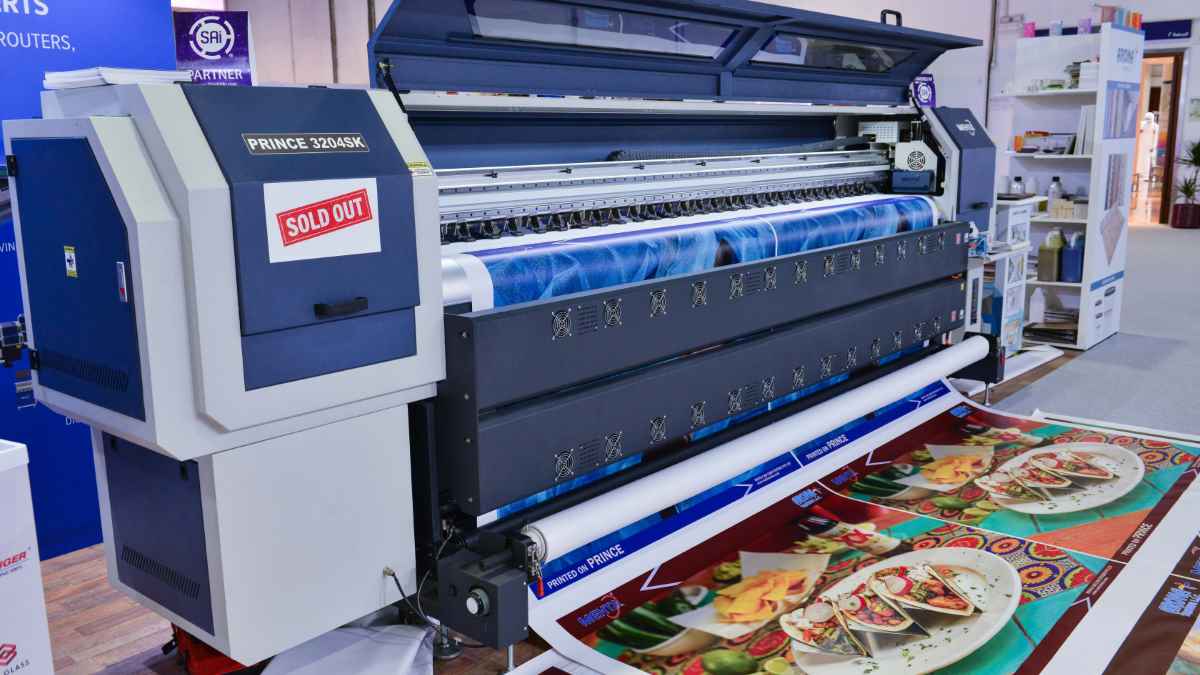
SGI Dubai (www.SignMiddleEast.com), the leading global showcase for cutting-edge printing and signage solutions, is gearing up to revolutionize the African industry landscape. Set to be held at the prestigious Dubai World Trade Centre from 18th to 20th September, the 26th edition of SGI Dubai (https://apo-opa.info/3OTZ6n8) promises to be a game-changer for African stakeholders. Industry experts, visionaries, and trendsetters from around the world will converge to unveil the latest innovations that will propel the African printing industry into an era of unrivaled growth and prosperity. Register now to witness the transformation of the African printing industry at SGI Dubai 2023: https://apo-opa.info/3OTZ6n8

 Download document: https://apo-opa.info/44qMJog

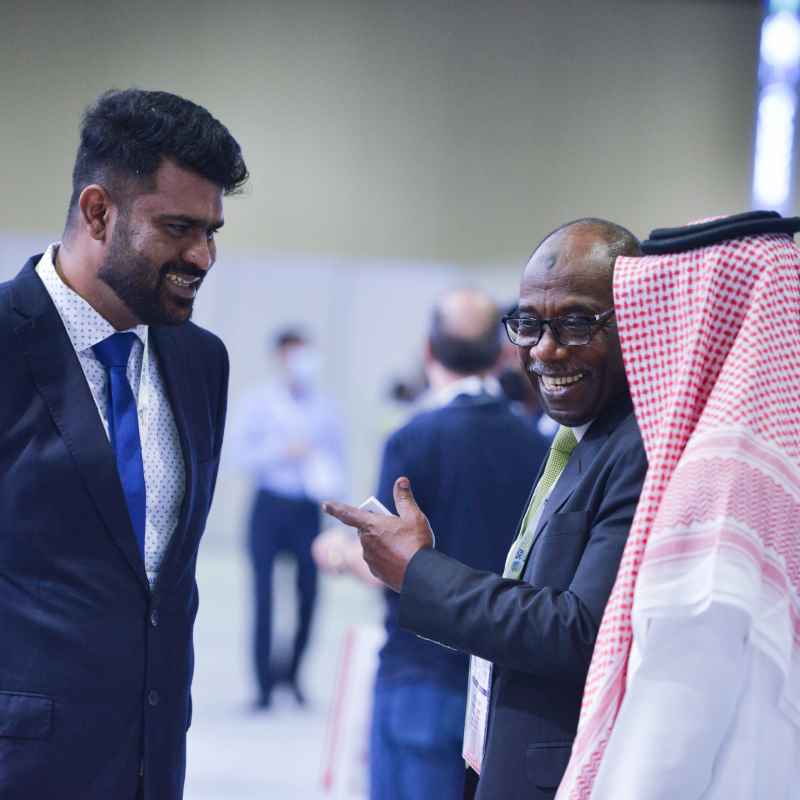
Abdul Rahman Falaknaz, Chairman of IEC, expressed his anticipation, “African economies are poised to become a powerhouse of opportunities on the global stage. The demand for cutting-edge printing and signage products and services is destined to soar across the continent, fueled by the remarkable growth of its commercial printing industry. The innovations unveiled at SGI Dubai 2023 will be the catalyst that ignites an extraordinary transformation in the African printing sector. This exhibition is not just a platform for business-to-business interactions; it is an ecosystem of innovation and knowledge, connecting brilliant minds from diverse vertical sectors.”

SGI Dubai is an invaluable opportunity for African visitors to conduct market research and make well-informed business decisions
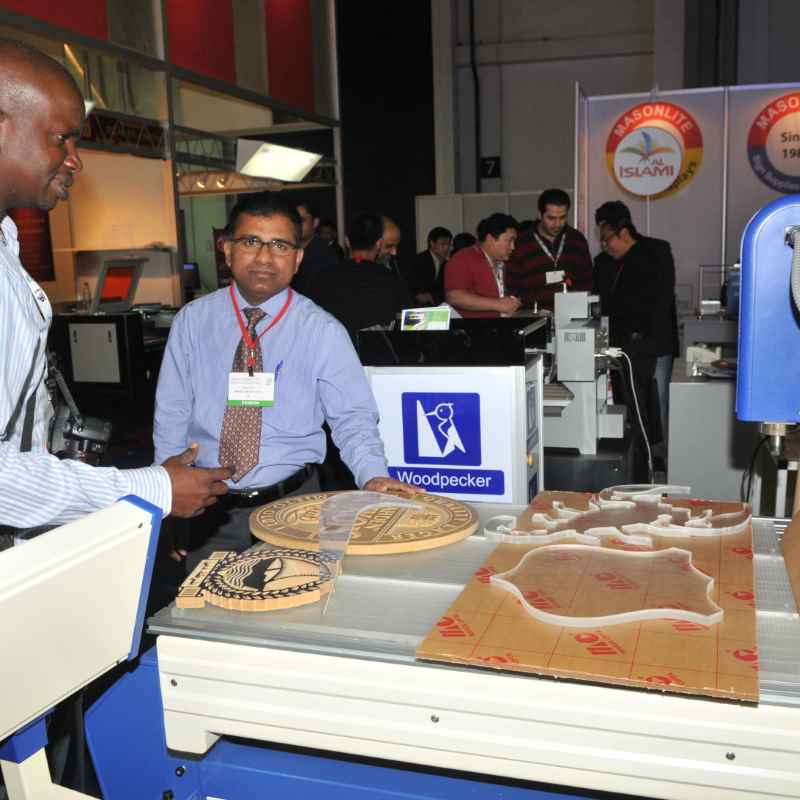
With the African printing industry projected to reach a staggering value of US$235.3 million by the end of 2031, the timing couldn’t be more perfect. The continent boasts approximately 2,000 commercial printing companies, with a majority comprising small, medium, and micro enterprises (SMMEs). An additional 1,000 companies cater to pre-press and post-press services, showcasing the rapid expansion of this thriving sector.

SGI Dubai 2023 (https://apo-opa.info/3E9GESy) will showcase an array of industries, with special emphasis on digital display technologies, labeling, metal cutting & engraving, spare parts & consumables, software, paper, and ground-breaking technologies such as 3D printing and artificial intelligence. The show will serve as an unparalleled opportunity for African sign-makers, print and production manufacturers, media agencies, car wrapping industry, real-estate developers, hospitality and tourism industries, architects, and brand consultants to explore limitless possibilities and elevate their businesses to new heights.

Mr. Falaknaz emphasized the show’s significance for the African continent, “The growth strategy for African stakeholders must begin now. SGI Dubai (https://apo-opa.info/3E9GESy) presents not only an exceptional platform for sourcing top-of-the-line machines with the latest technology but also fosters meaningful connections among industry professionals. We’ve witnessed a steady surge in the number of African trade visitors year after year, representing key nations such as Kenya, Nigeria, Uganda, Cameroon, South Africa, Sudan, Ghana, Namibia, Tanzania, Egypt, and Libya, among others. The proximity of our show to Africa makes it highly accessible for business owners to engage directly with exhibitors and manufacturers of top brands, securing the most competitive rates.”

During the previous edition, SGI Dubai (https://apo-opa.info/3E9GESy) welcomed over 300 global exhibitors from 30+ countries and registered thousands of trade visitors from 100+ countries worldwide. The influence of SGI Dubai extends beyond the Middle East, making it a pivotal event for Africa’s growth trajectory.

Mr. Falaknaz concluded, “SGI Dubai (https://apo-opa.info/3E9GESy) is more than just a trade show; it is an invaluable opportunity for African visitors to conduct market research and make well-informed business decisions. As the show’s influence continues to expand across the African continent, the growing number of visitors is a testament to the benefits it offers all stakeholders involved. SGI Dubai 2023 is set to redefine the future of the African printing and signage sector, unlocking unprecedented opportunities for growth and prosperity.”

Distributed by APO Group on behalf of SGI Dubai.

Business

Mukuru Partners with Flash to Add 170,000 Cash Pay-in Points Across South Africa

Published

on

New partnership brings remittance payments into township, peri-urban and rural spaza shops nationwide

JOHANNESBURG, South Africa, November 6, 2026/APO Group/ –Mukuru (www.Mukuru.com), a leading financial services provider, has partnered with Flash, a payments technology company with an extensive network of spaza shops across South Africa, adding 170,000 cash pay-in points where customers can now pay for their Mukuru remittance orders. The network includes Flash’s broader merchant footprint, giving Mukuru access to locations through Flash and its partner networks. These new locations are now operational, reducing the time and distance many customers currently travel to make a payment.

Previously, customers often had to travel to banks or dedicated payment outlets to pay for their Mukuru orders. Now, they can simply visit a spaza shop close to home, work or where they usually shop.

For people in townships, peri-urban and rural areas who rely on cash and have traditionally had limited access to formal pay-in points, particularly South Africa’s migrant communities, this change removes a real barrier and makes it easier to send money home. With these pay-in points inside spaza shops, Mukuru’s services become part of places people already go, meaning fewer extra trips and more timely payments.

Every additional pay-in point represents one less barrier for a customer trying to send money home

“Every additional pay-in point represents one less barrier for a customer trying to send money home,” said Erone Kyte, Commercial Manager: Cross-Border Remittances at Mukuru. “Our partnership with Flash gives us the scale to bring Mukuru’s services into the everyday spaces our customers already know and trust. It’s a meaningful step in making remittances simpler, more accessible and genuinely closer to the communities we serve.”

For Mukuru, working with Flash means reaching even more customers in underserved urban, township, and rural areas. By leveraging Flash’s established network, Mukuru can now offer cash pay-in options where they didn’t exist before. The expanded network is expected to help more people access Mukuru’s services, support growth in its South African customer base, and make cross-border payments more convenient.

Rens Rezelman, General Manager for Flash’s Merchant Division, commented, “Flash works to bridge the digital product and payments gap between businesses and consumers across the country. Launching Mukuru across our network presents another opportunity to bring a familiar brand closer to the people who need it most.”

The sector is now recognised as a R750 billion  industry. According to data tracked by Trade Intelligence, total turnover recently reached R197 billion, growing at roughly 15% annually. Research confirms that traditional trade and spaza shops are growing faster than large supermarket chains, with almost 80% of South African households shopping at these traditional trade outlets regularly. (https://apo-opa.co/4iDwZr8) Bringing Mukuru payments to these stores is a natural fit and helps shop owners draw in more customers and offer more services to their communities. Mukuru and Flash will build awareness of the new pay-in option through store, digital, and community promotions in the coming months.

This partnership is part of Mukuru’s ongoing drive to make cash pay-ins easier and improve access to remittance services for people living and working in areas with limited formal financial services. Over the past two years, the company has made similar moves to make its payment network bigger and more accessible across the region.

Mukuru customers looking to pay closer to home can easily find their nearest participating Flash pay-in point using the Mukuru app or website.

Distributed by APO Group on behalf of Mukuru.


Continue Reading

Business

How CESI is helping shape Africa’s next-gen power grids

Published

on

CESI, a global engineering and consulting company specialising in power systems and energy transition, has supported utilities, transmission system operators and public institutions

CAPE TOWN, South Africa, November 6, 2026/APO Group/ –Across Africa, power systems are undergoing a profound transformation. Rapid population growth, urbanisation, industrial development and ambitious electrification goals are increasing pressure on networks that must improve reliability, integrate growing volumes of renewable energy and strengthen regional interconnections.


For utilities, regulators and governments, this creates a dual challenge: planning future power systems while modernising the infrastructure required to operate them safely and efficiently.

Drawing on projects delivered across the continent CESI, a global engineering and consulting company specialising in power systems and energy transition, has supported utilities, transmission system operators and public institutions in addressing both long-term planning requirements and grid modernisation challenges. These experiences highlight how strategic planning and operational modernisation are becoming increasingly interconnected.

Planning for growth in a changing energy landscape

Many African countries are updating power sector strategies to reflect changing demand patterns, evolving technologies and new regional opportunities. National master plans in countries including Angola, Mozambique and Liberia are examining how generation, transmission and distribution systems can evolve over the coming decades while remaining technically feasible and financially sustainable.

A key trend is the growing emphasis on integrated planning. Rather than treating generation, transmission and distribution separately, stakeholders are increasingly assessing investments across the entire value chain to meet future demand efficiently and reliably. Demand forecasting methodologies are also evolving, considering industrial development, electric mobility and broader electrification trends.

Renewable energy integration is another central consideration. Africa possesses significant solar, wind and hydropower resources, but integrating these technologies requires careful assessment of transmission capacity, system flexibility, reserve requirements and grid stability. In this context, CESI has contributed to power sector master plans and network studies evaluating future development pathways while addressing reliability, economic and energy transition objectives.

Regional interconnections as strategic infrastructure

Regional integration continues to play an increasingly important role in Africa’s electricity sector. Future Interconnection projects linking countries such as Ethiopia and Somalia, Uganda and Tanzania, and Uganda and South Sudan demonstrate how cross-border infrastructure can enhance energy security and optimise the use of available generation resources.

Delivering these projects requires more than engineering analysis. Technical, economic, regulatory and operational considerations must be aligned among participating countries. Through its involvement in several interconnection initiatives at different stages across Africa, CESI has supported stakeholders in assessing feasibility, network performance and operational requirements for cross-border electricity exchanges.

As regional power markets continue to develop, interconnected systems are expected to contribute further to reliability, operational flexibility and efficient resource utilisation.

Modernising grid operations for greater reliability

Alongside long-term planning, utilities are investing in modern operational technologies to improve management of increasingly complex power systems. Control centres, SCADA systems, energy management systems (EMS) and telecommunications networks are becoming essential components of modern grid operations.

In countries including Mozambique and Angola, projects are supporting the development of advanced control centres capable of monitoring generation facilities, transmission networks and interconnections through integrated operational platforms. These systems provide operators with real-time visibility and decision-support capabilities that strengthen system reliability and operational efficiency.

Meanwhile, programmes in Tunisia and Nigeria illustrate how utilities are upgrading ageing SCADA and EMS infrastructures to meet evolving requirements. Modern solutions increasingly incorporate

  • cybersecurity,
  • wide-area monitoring capabilities and
  • renewable energy management functions.

CESI’s experience in control centres, SCADA/EMS systems and power system operations reflects the growing importance of digital technologies in enabling more resilient and responsive electricity networks.

Building resilience and technical capacity

Environmental and social considerations are becoming increasingly important across both planning and modernisation initiatives. Climate resilience now plays a central role in infrastructure development, particularly in countries exposed to extreme weather events or heavily dependent on hydropower resources. As a result, environmental and social assessments are increasingly integrated into project design and investment decision-making processes.

Capacity building is equally important. New technologies and analytical tools require utilities and public institutions to continually strengthen technical capabilities. Training and knowledge-transfer programmes have therefore become integral components of many planning, interconnection and grid modernisation projects, helping organisations develop the expertise needed to manage increasingly sophisticated power systems.

An integrated approach to Africa’s power future

Several common themes are emerging across Africa’s electricity sector. Utilities are adopting longer-term planning horizons, renewable energy is becoming a central driver of network development, regional interconnections are expanding opportunities for power exchange, and digitalisation is transforming power system operations.

Together, these trends point towards a broader evolution of African power systems. The challenge is no longer simply expanding infrastructure, but ensuring that future networks are planned, operated and modernised in a coordinated manner. Achieving this objective will require continued collaboration among utilities, governments, regulators, financiers and technical stakeholders.

Experience across the continent suggests that integrating sound planning with targeted grid modernisation can support the development of more reliable, resilient and adaptable power systems, helping meet Africa’s long-term economic and social development goals.

CESI is a partner of ESI Africa, the power, energy, water, transport and utility multimedia platform that forms part of VUKA Group.

Read the article and access more information: https://apo-opa.co/47Xr1g3

Distributed by APO Group on behalf of VUKA Group.


Continue Reading

Business

Bilateral Cooperation Anchors South Sudan’s Energy Renaissance

Published

on

South Sudan Oil & Power 2026 provides a platform for South Sudan’s energy industry to connect with regional and international partners to accelerate oil and gas development

JUBA, South Sudan, November 6, 2026/APO Group/ –South Sudan is placing bilateral partnerships at the center of its energy renaissance. As East Africa’s sole oil producer seeks to expand geomapping, unlock 14 available exploration blocks, maximize brownfield production and strengthen access to regional energy markets, cross-border cooperation has become a strategic avenue for accelerating development.


The upcoming South Sudan Oil & Power (SSOP) conference – scheduled for November 24–25, 2026 in Juba – provides a platform to connect South Sudanese authorities with regional and international counterparts, drive new investment and forge strategic energy partnerships. Returning for its seventh edition, SSOP will connect South Sudan’s regional and global partners with emerging investment prospects across the oil value chain as the country eyes production targets of 230,000 barrels per day (bpd) in the near term and 450,000 bpd in the longer-term.

Strengthening Regional Petroleum Trade

Already a major exporter, South Sudan is actively pushing to establish a domestic refining industry while exploring cross-border petroleum trade opportunities with regional neighbors. The October 2026 meeting between South Sudanese President Salva Kiir and Kenyan President William Ruto marked a major milestone in strengthening bilateral energy and infrastructure cooperation to accelerate regional market growth.

The engagement builds on momentum generated in September 2026, when a delegation of South Sudan’s key energy leaders – led by Caretaker Minister of Petroleum Awow Daniel Chuang – attended the groundbreaking of Dangote’s $16 billion, 700,000-barrel-per-day refinery project in Kenya. Once operational, the refinery could open new markets for South Sudan’s crude while supplying refined products to meet growing domestic demand. Dangote Refinery CEO David Bird is speaking at SSOP 2026.

Expanding Trade Corridors and Bilateral Synergies

Beyond Kenya, South Sudan is actively solidifying strategic energy and trade arrangements across the region. Bilateral agreements signed with Uganda in October 2026 are designed to improve market access, remove trade barriers and streamline petroleum-product logistics and transport links. In April 2026, South Sudan and Ethiopia reaffirmed bilateral cooperation on infrastructure, transport and oil industry development following a meeting between President Kiir and Ethiopian Prime Minister Dr. Abiy Ahmed. These engagements underscore South Sudan’s growing focus on strengthening regional petroleum infrastructure, expanding cross-border trade and securing reliable crude export routes.

South Sudan Looks to International Partners

South Sudan is also strengthening engagement with international partners. Following an October 30 meeting between President Kiir and Russian President Vladimir Putin, Russia committed to training 40 South Sudanese professionals for the 2026/2027 period, leveraging its position as a major hydrocarbon producer to support the nation’s energy development.

Separately, South Sudan’s Minister of Energy and Dams Agok Makur Kur met with a delegation from the European Union to discuss foreign investment and bilateral cooperation, with discussions centering on co-developing national electricity networks and essential dam infrastructure.

SSOP 2026: Turning Partnerships into Tangible Projects 

As South Sudan strengthens ties with regional partners, SSOP 2026 serves as the official platform for deal-making, policy alignment and commercial collaboration. By bringing together public decision-makers, regional counterparts and private sector leaders, the event provides a platform to convert bilateral engagement into tangible project developments. For operators and investors looking to capitalize on South Sudan’s evolving oil and gas landscape, SSOP 2026 offers direct access to new opportunities across exploration, midstream infrastructure and regional energy supply chains.

Distributed by APO Group on behalf of Energy Capital & Power.


Continue Reading

Trending

Exit mobile version