GITEX Africa 2023, now the largest tech and start-up show in the African continent, will make its highly anticipated debut from 31 May-2 June
MARRAKECH, Morocco, May 25, 2023/APO Group/ —
Debut of Africa’s largest tech and start-up show to welcome 900 companies to explore, discover, and connect to real opportunities in world’s rising digital economy; H.E Dr Ghita Mezzour: “We’re witnessing a historic event, the largest tech networking and business event in the African continent”
Morocco will centre the global tech community’s attention on Africa’s united commitment to advancing the digital economy next week, converging the best minds from governments, businesses, big tech, start-ups, investors and youths to accelerate and catalyse the continent’s ambitious digital transformation journey.
GITEX Africa 2023, now the largest tech and start-up show in the African continent, will make its highly anticipated debut from 31 May-2 June, with the final preparations underway across ten halls and 45,000sqm of exhibition space in a purpose-built super venue at Place Bab Jdid, Bd Al Yarmouk in the Red City of Marrakech. It will welcome 900 big tech companies, government entities, start-ups and participants from more than 100 countries, while attracting tens of thousands of attendees from all over the world.
GITEX Africa is the largest business event launch of any industry in the Middle East and Africa in recent years, and is affiliated with GITEX Global in Dubai, the world’s largest tech and start-up show, rated by global tech executives as the world’s best global tech event.
Held under the High Patronage of His Majesty King Mohammed VI, GITEX Africa is hosted by the Digital Development Agency (ADD), under the authority of the Moroccan Ministry of Digital Transition and Administration Reform.
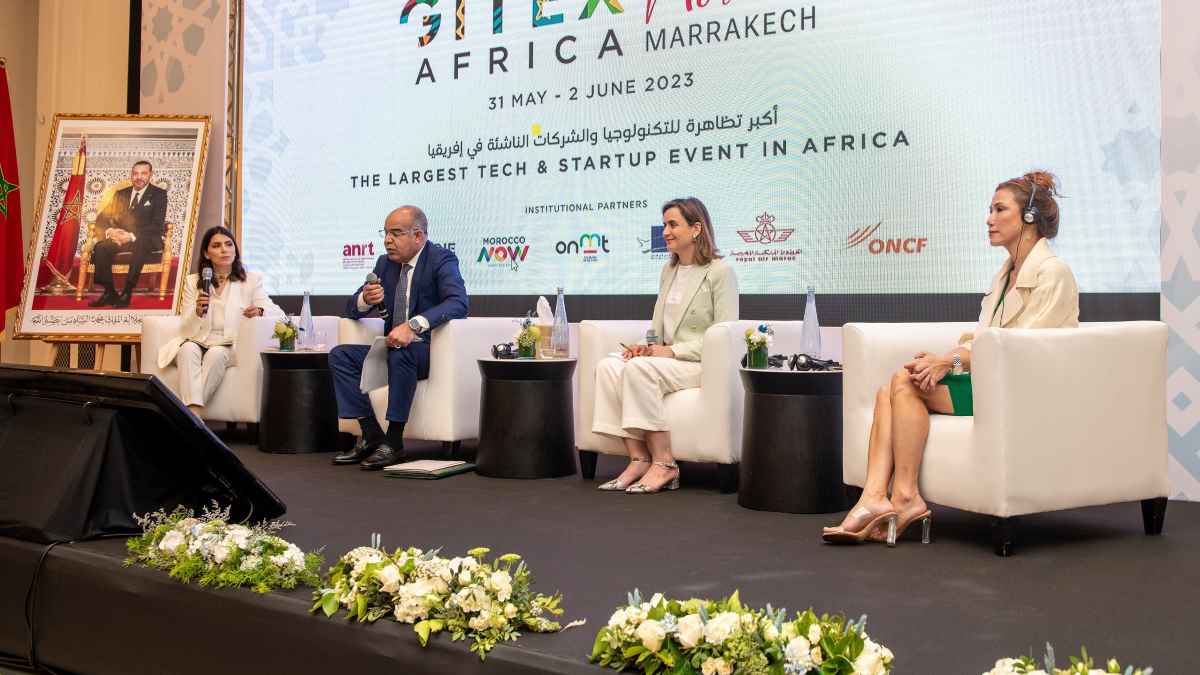
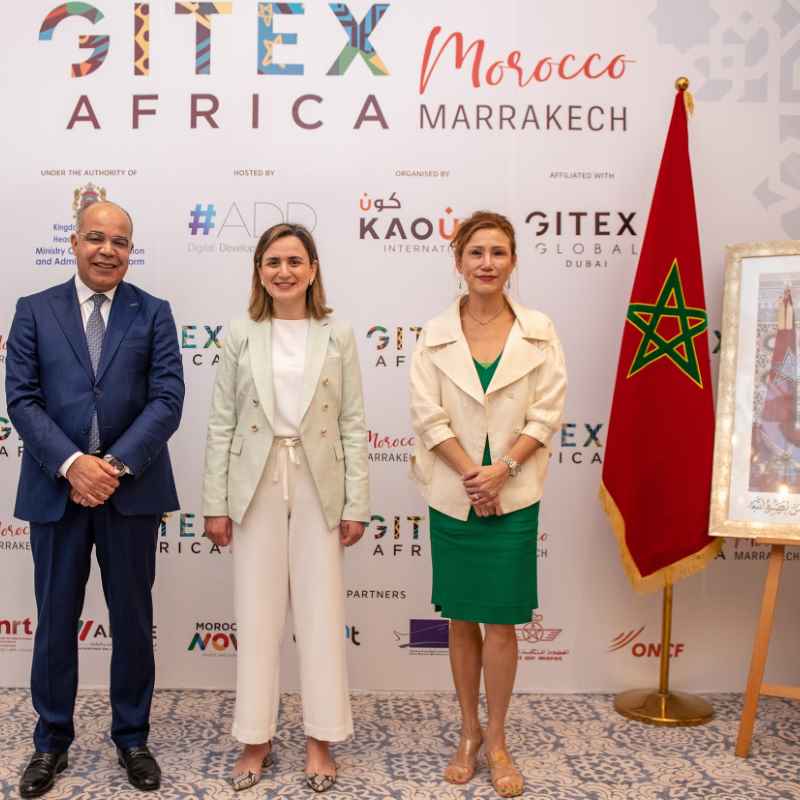
Addressing media at the show’s official preview press conference today was H.E Dr Ghita Mezzour, Minister of the Moroccan Ministry of Digital Transition and Administration Reform; Sidi Mohammed Drissi Melyani, the General Director of ADD; and Trixie LohMirmand, CEO of KAOUN International, GITEX Africa’s organiser.
In attendance were GITEX Africa’s official institutional partners the ANRT (Moroccan National Telecommunications Regulatory Agency), AMDIE (Moroccan Investment and Export Development Agency), ONMT (Moroccan National Tourist Office), ONDA (National Airports Office), Royal Air Maroc, and ONCF (Moroccan National Railway Office).
“The Kingdom of Morocco is proud to host GITEX Africa under the High Patronage of His Majesty King Mohammed VI, may God assist Him,” said H.E. Dr Mezzour. “We’re witnessing a historic event, the first ever edition of GITEX Africa, and the largest tech networking and learning business event in the African continent.
“GITEX Africa will be an opportunity for Moroccan and African start-ups owners and young programmers to get in touch with regional and global investors and business incubators. An opportunity as well to networking with actors in both public and private sectors.”
Mr. Sidi Mohammed Drissi Melyani, the General Director of ADD, added that hosting GITEX Africa underlines Morocco’s commitment to work alongside the private and public sector to accelerate Africa’s digital infrastructure development while promoting cross-continental e-governance policies that improve digital transparency, openness and process integration: “The Kingdom of Morocco as well as the whole African continent is so honoured to host the first edition of GITEX Africa Morocco, which will take place in Marrakech from May 31st to June 2nd, 2023,” said Mr. Melyani.
“This big event, organised under the high patronage of his Majesty the King Mohammed VI, is an important opportunity to value the efforts deployed by all the Moroccan stakeholders in the field of digital development. It is also a platform of networking between exhibitors, investors, researchers and tech operators around innovative solutions and digital transformation. This first edition will definitely contribute to enhance digital transition in Africa as a future innovation hub, led by its young talents and competitive start-ups.”
Magnifying Africa’s collective digital innovation ambitions and achievements
GITEX Africa’s impressive scale in its debut edition reflects the ambitions of Africa’s digital movement, with cross-continental initiatives such as Smart Africa’s vision to create a single digital market in Africa by 2030 propelling the continent to the forefront of the global digital economy.
GITEX Africa is the largest business event launch of any industry in the Middle East and Africa in recent years, and is affiliated with GITEX Global in Dubai
“For too long, the world’s second largest continent has been under-stated and overlooked for its profound digital opportunities and aspirations,” commented Ms. LohMirmand, CEO of KAOUN International.
“At GITEX Africa, our mission is to curate an event that will serve the purpose of the African community in accessing business development, investment and learning opportunities. We focus on empowering the new generation of tech and creative talents to augment the culture of entrepreneurship and provide a single occasion that shall bring together the public and private sector leaderships to build tangible meaningful outcomes.”
That GITEX Africa hoisted the sold-out sign fuelling further expansion months before its grand opening is testament to the world’s confidence and optimism in the African digital opportunity, amplified by figures that underline the aspirations of African countries in their quest for digital excellence.
Africa’s vibrant start-up ecosystem also continues to grab headlines with the creation of seven unicorns over the last few years while according to analysts Briter Bridges, African start-ups raised a total of US$5.4 billion across 900-plus deals in 2022.
The influx of global interest will see GITEX Africa 2023 host more than 400 disruptive start-ups from 30 countries, including 200 international award-winning start-ups and 11 unicorns eager to share their achievements and access the promising African innovation hub.
All will have the opportunity to connect with 250 investors from 34 countries with US$200 billion worth of assets under management. As the ultimate start-up incubator and magnet for flourishing VC funds, GITEX Africa will deliver a structured and carefully curated scouting platform for these investors, of which 70 percent are coming from outside of Africa.
Added Ms. LohMirmand: “GITEX integrates Africa strategically into the hyper-connected tech ecosystem across 100 countries. It now firmly plugs Africa into the global entrepreneurial innovation economy boasting of resources imperative for the region to dynamize its digital transformation mission.”
Accelerating the Moroccan digital development strategy
GITEX Africa 2023 will also accentuate the progress of Morocco’s digital development strategy, strengthening its position among the top three African countries with the best ICT infrastructure, and underlining its status as having one of the continent’s most advanced telecommunications markets.
According to analysts IDC, Morocco’s IT market, comprising hardware, software and IT services, is expected to reach a value of US$1.7 billion in 2023, growing at a CAGR of 4.3 percent to reach US$1.9 billion in 2026. In 2023, growth is expected to be driven by enterprise and service provider spending in the North African country as organisations increasingly look to adopt hybrid cloud as a step towards their digital transformation initiatives.
World’s best minds gather at Africa’s most impactful leadership conference agenda
Africa’s most impactful leadership conference programme will meanwhile gather 250-plus speakers from 50 countries to share valuable exchanges and insights with a curious business audience motivated to draw on international experience applied to an African-centric context.
The GITEX Africa Digital Summit will lead ten conference tracks comprising 140-plus hours of mind-stretching content exploring the most pertinent transformational topics advancing Africa’s digital agenda, from generative AI and digital cities, or Fintech and agritech, to healthcare, energy, innovation, sustainable development goals, and a spotlight on the world’s most exciting start-up ecosystem.
GITEX Africa 2023 is open from 11:30am to 6:00pm on 31st May, and from 10:00am to 6:00pm on the 1st and 2nd June. Admission is for trade professionals only with a special invitation for students aged 16 years and older on day three.
Project advances towards financing with preferred EPC bidders selected and letters of intent covering approximately 2 million tonnes a year signed
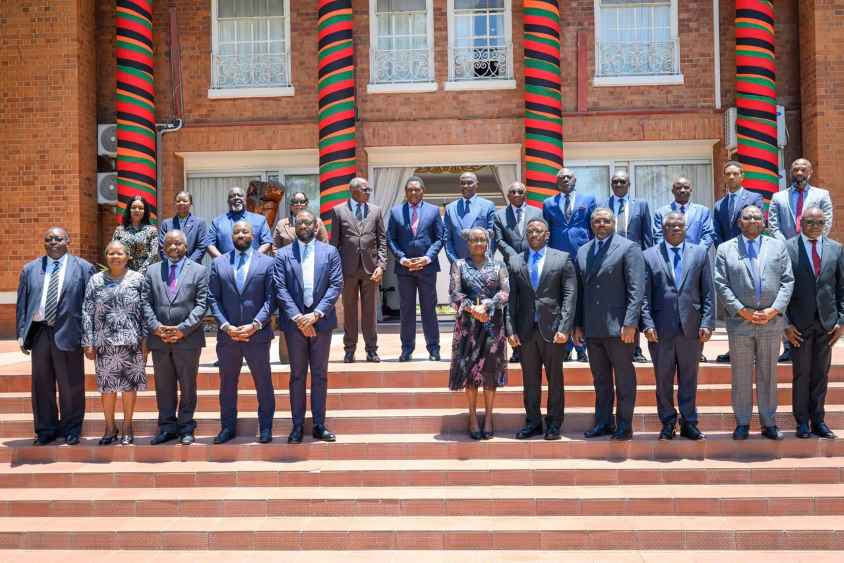
LUSAKA, Zambia, November 6, 2026/APO Group/ –His Excellency Hakainde Hichilema, President of the Republic of Zambia, has received a delegation from Africa Finance Corporation (AFC) (www.AfricaFC.org), led by its President and Chief Executive Officer, Samaila Zubairu, to review progress on the Zambia–Lobito Railway Project. AFC, the continent’s leading infrastructure solutions provider, is the lead sponsor and developer of the project.
The approximately 830-kilometre railway will connect Chingola in Zambia’s Copperbelt to Luacano in Angola, where it will link with the existing Benguela Railway and provide direct access to the Atlantic Ocean through the Port of Lobito.
A strategic component of the broader Lobito Corridor initiative, the project has reached several important development milestones. AFC last month announced preferred bidders for the engineering, procurement and construction (EPC) contracts for the Angolan and Zambian sections, following an international competitive tender. The project has also signed memoranda of understanding and letters of intent with prospective railway users covering approximately 2 million tonnes of freight a year.
Every tonne that leaves Zambia unprocessed takes jobs away with it
In addition to providing a direct Atlantic export route for Zambia’s copper and critical minerals, the project is being developed as an integrated economic corridor supporting agricultural exports, petroleum logistics, manufacturing and regional trade. Transit from the Copperbelt to the Port of Lobito is expected to take approximately seven days.
The project’s commercial strategy targets approximately 5 million tonnes of annual freight at steady state, comprising petroleum products, agricultural commodities, copper, cobalt, zinc and other industrial cargo. AFC is targeting financial close in 2027.
Discussions focused on continued collaboration between AFC and the Government of Zambia on the project’s next steps, including the railway’s right of way and land for associated agricultural, petroleum and freight-handling facilities. The meeting also considered rail sector policy measures to support the corridor’s long-term competitiveness, including integration with the Zambia Railways network and the Chingola–Ndola line.
President Hichilema reaffirmed the railway’s importance to Zambia’s economic development and regional integration. He said: “The Zambia–Lobito Railway is central to our vision of transforming Zambia into a competitive regional hub for trade, manufacturing, agriculture and mineral value addition. By connecting our productive sectors to international markets more efficiently, we can reduce logistics costs, attract investment and create jobs. We welcome AFC’s progress and will continue working closely together to advance this strategic project.”
Samaila Zubairu, President and Chief Executive Officer of AFC, said: “Every tonne that leaves Zambia unprocessed takes jobs away with it. This railway changes that. Starting in Chingola, it gives Zambia a seven-day route to the Atlantic and every reason to process, manufacture and add value at home. With preferred EPC bidders selected and strong interest from freight users, we are now working with the Governments of Zambia and Angola, the African Development Bank, the Government of Italy and our other partners to reach financial close. We are building a railway. Zambia will build an economy on it.”
AFC continues to work with the Governments of Angola and Zambia, the European Union, the United States Government, the Government of Italy and the African Development Bank, alongside Italian development finance institution CDP and Italian export credit agency SACE, to bring the Zambia–Lobito Railway into construction.
Distributed by APO Group on behalf of Africa Finance Corporation (AFC).
New partnership brings remittance payments into township, peri-urban and rural spaza shops nationwide
JOHANNESBURG, South Africa, November 6, 2026/APO Group/ –Mukuru (www.Mukuru.com), a leading financial services provider, has partnered with Flash, a payments technology company with an extensive network of spaza shops across South Africa, adding 170,000 cash pay-in points where customers can now pay for their Mukuru remittance orders. The network includes Flash’s broader merchant footprint, giving Mukuru access to locations through Flash and its partner networks. These new locations are now operational, reducing the time and distance many customers currently travel to make a payment.
Previously, customers often had to travel to banks or dedicated payment outlets to pay for their Mukuru orders. Now, they can simply visit a spaza shop close to home, work or where they usually shop.
For people in townships, peri-urban and rural areas who rely on cash and have traditionally had limited access to formal pay-in points, particularly South Africa’s migrant communities, this change removes a real barrier and makes it easier to send money home. With these pay-in points inside spaza shops, Mukuru’s services become part of places people already go, meaning fewer extra trips and more timely payments.
Every additional pay-in point represents one less barrier for a customer trying to send money home
“Every additional pay-in point represents one less barrier for a customer trying to send money home,” said Erone Kyte, Commercial Manager: Cross-Border Remittances at Mukuru. “Our partnership with Flash gives us the scale to bring Mukuru’s services into the everyday spaces our customers already know and trust. It’s a meaningful step in making remittances simpler, more accessible and genuinely closer to the communities we serve.”
For Mukuru, working with Flash means reaching even more customers in underserved urban, township, and rural areas. By leveraging Flash’s established network, Mukuru can now offer cash pay-in options where they didn’t exist before. The expanded network is expected to help more people access Mukuru’s services, support growth in its South African customer base, and make cross-border payments more convenient.
Rens Rezelman, General Manager for Flash’s Merchant Division, commented, “Flash works to bridge the digital product and payments gap between businesses and consumers across the country. Launching Mukuru across our network presents another opportunity to bring a familiar brand closer to the people who need it most.”
The sector is now recognised as a R750 billion industry. According to data tracked by Trade Intelligence, total turnover recently reached R197 billion, growing at roughly 15% annually. Research confirms that traditional trade and spaza shops are growing faster than large supermarket chains, with almost 80% of South African households shopping at these traditional trade outlets regularly. (https://apo-opa.co/4iDwZr8) Bringing Mukuru payments to these stores is a natural fit and helps shop owners draw in more customers and offer more services to their communities. Mukuru and Flash will build awareness of the new pay-in option through store, digital, and community promotions in the coming months.
This partnership is part of Mukuru’s ongoing drive to make cash pay-ins easier and improve access to remittance services for people living and working in areas with limited formal financial services. Over the past two years, the company has made similar moves to make its payment network bigger and more accessible across the region.
Mukuru customers looking to pay closer to home can easily find their nearest participating Flash pay-in point using the Mukuru app or website.
CESI, a global engineering and consulting company specialising in power systems and energy transition, has supported utilities, transmission system operators and public institutions
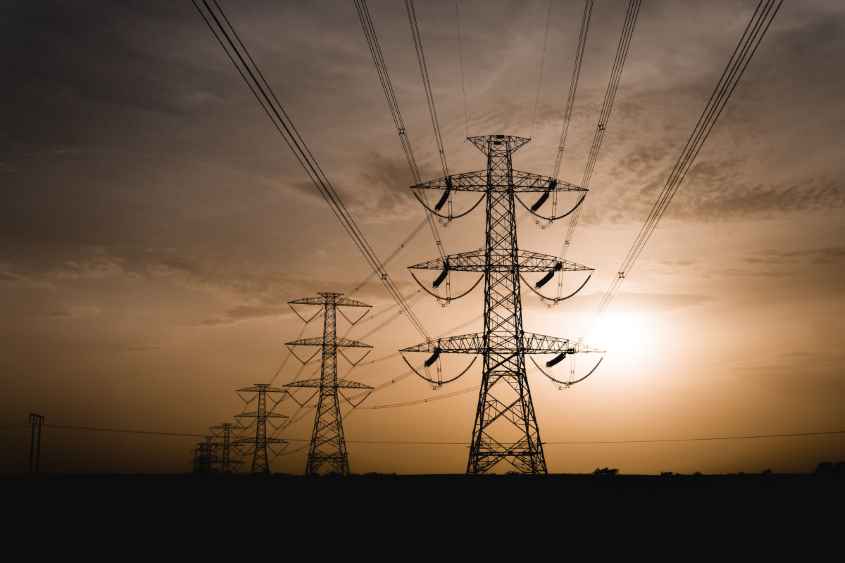
CAPE TOWN, South Africa, November 6, 2026/APO Group/ –Across Africa, power systems are undergoing a profound transformation. Rapid population growth, urbanisation, industrial development and ambitious electrification goals are increasing pressure on networks that must improve reliability, integrate growing volumes of renewable energy and strengthen regional interconnections.
For utilities, regulators and governments, this creates a dual challenge: planning future power systems while modernising the infrastructure required to operate them safely and efficiently.
Drawing on projects delivered across the continent CESI, a global engineering and consulting company specialising in power systems and energy transition, has supported utilities, transmission system operators and public institutions in addressing both long-term planning requirements and grid modernisation challenges. These experiences highlight how strategic planning and operational modernisation are becoming increasingly interconnected.
Planning for growth in a changing energy landscape
Many African countries are updating power sector strategies to reflect changing demand patterns, evolving technologies and new regional opportunities. National master plans in countries including Angola, Mozambique and Liberia are examining how generation, transmission and distribution systems can evolve over the coming decades while remaining technically feasible and financially sustainable.
A key trend is the growing emphasis on integrated planning. Rather than treating generation, transmission and distribution separately, stakeholders are increasingly assessing investments across the entire value chain to meet future demand efficiently and reliably. Demand forecasting methodologies are also evolving, considering industrial development, electric mobility and broader electrification trends.
Renewable energy integration is another central consideration. Africa possesses significant solar, wind and hydropower resources, but integrating these technologies requires careful assessment of transmission capacity, system flexibility, reserve requirements and grid stability. In this context, CESI has contributed to power sector master plans and network studies evaluating future development pathways while addressing reliability, economic and energy transition objectives.
Regional interconnections as strategic infrastructure
Regional integration continues to play an increasingly important role in Africa’s electricity sector. Future Interconnection projects linking countries such as Ethiopia and Somalia, Uganda and Tanzania, and Uganda and South Sudan demonstrate how cross-border infrastructure can enhance energy security and optimise the use of available generation resources.
Delivering these projects requires more than engineering analysis. Technical, economic, regulatory and operational considerations must be aligned among participating countries. Through its involvement in several interconnection initiatives at different stages across Africa, CESI has supported stakeholders in assessing feasibility, network performance and operational requirements for cross-border electricity exchanges.
As regional power markets continue to develop, interconnected systems are expected to contribute further to reliability, operational flexibility and efficient resource utilisation.
Modernising grid operations for greater reliability
Alongside long-term planning, utilities are investing in modern operational technologies to improve management of increasingly complex power systems. Control centres, SCADA systems, energy management systems (EMS) and telecommunications networks are becoming essential components of modern grid operations.
In countries including Mozambique and Angola, projects are supporting the development of advanced control centres capable of monitoring generation facilities, transmission networks and interconnections through integrated operational platforms. These systems provide operators with real-time visibility and decision-support capabilities that strengthen system reliability and operational efficiency.
Meanwhile, programmes in Tunisia and Nigeria illustrate how utilities are upgrading ageing SCADA and EMS infrastructures to meet evolving requirements. Modern solutions increasingly incorporate
cybersecurity,
wide-area monitoring capabilities and
renewable energy management functions.
CESI’s experience in control centres, SCADA/EMS systems and power system operations reflects the growing importance of digital technologies in enabling more resilient and responsive electricity networks.
Building resilience and technical capacity
Environmental and social considerations are becoming increasingly important across both planning and modernisation initiatives. Climate resilience now plays a central role in infrastructure development, particularly in countries exposed to extreme weather events or heavily dependent on hydropower resources. As a result, environmental and social assessments are increasingly integrated into project design and investment decision-making processes.
Capacity building is equally important. New technologies and analytical tools require utilities and public institutions to continually strengthen technical capabilities. Training and knowledge-transfer programmes have therefore become integral components of many planning, interconnection and grid modernisation projects, helping organisations develop the expertise needed to manage increasingly sophisticated power systems.
An integrated approach to Africa’s power future
Several common themes are emerging across Africa’s electricity sector. Utilities are adopting longer-term planning horizons, renewable energy is becoming a central driver of network development, regional interconnections are expanding opportunities for power exchange, and digitalisation is transforming power system operations.
Together, these trends point towards a broader evolution of African power systems. The challenge is no longer simply expanding infrastructure, but ensuring that future networks are planned, operated and modernised in a coordinated manner. Achieving this objective will require continued collaboration among utilities, governments, regulators, financiers and technical stakeholders.
Experience across the continent suggests that integrating sound planning with targeted grid modernisation can support the development of more reliable, resilient and adaptable power systems, helping meet Africa’s long-term economic and social development goals.
CESI is a partner of ESI Africa, the power, energy, water, transport and utility multimedia platform that forms part of VUKA Group.
We use cookies on our website to give you the most relevant experience by remembering your preferences and repeat visits. By clicking “Accept”, you consent to the use of ALL the cookies.
This website uses cookies to improve your experience while you navigate through the website. Out of these, the cookies that are categorized as necessary are stored on your browser as they are essential for the working of basic functionalities of the website. We also use third-party cookies that help us analyze and understand how you use this website. These cookies will be stored in your browser only with your consent. You also have the option to opt-out of these cookies. But opting out of some of these cookies may affect your browsing experience.
Necessary cookies are absolutely essential for the website to function properly. These cookies ensure basic functionalities and security features of the website, anonymously.
Cookie
Duration
Description
cookielawinfo-checkbox-analytics
11 months
This cookie is set by GDPR Cookie Consent plugin. The cookie is used to store the user consent for the cookies in the category "Analytics".
cookielawinfo-checkbox-functional
11 months
The cookie is set by GDPR cookie consent to record the user consent for the cookies in the category "Functional".
cookielawinfo-checkbox-necessary
11 months
This cookie is set by GDPR Cookie Consent plugin. The cookies is used to store the user consent for the cookies in the category "Necessary".
cookielawinfo-checkbox-others
11 months
This cookie is set by GDPR Cookie Consent plugin. The cookie is used to store the user consent for the cookies in the category "Other.
cookielawinfo-checkbox-performance
11 months
This cookie is set by GDPR Cookie Consent plugin. The cookie is used to store the user consent for the cookies in the category "Performance".
viewed_cookie_policy
11 months
The cookie is set by the GDPR Cookie Consent plugin and is used to store whether or not user has consented to the use of cookies. It does not store any personal data.
Functional cookies help to perform certain functionalities like sharing the content of the website on social media platforms, collect feedbacks, and other third-party features.
Performance cookies are used to understand and analyze the key performance indexes of the website which helps in delivering a better user experience for the visitors.
Analytical cookies are used to understand how visitors interact with the website. These cookies help provide information on metrics the number of visitors, bounce rate, traffic source, etc.
Advertisement cookies are used to provide visitors with relevant ads and marketing campaigns. These cookies track visitors across websites and collect information to provide customized ads.