Connect with us

Business

Equatorial Guinea to Launch EG Ronda 2026 Licensing Round at African Energy Week (AEW) 2025 Amid Surge in Upstream Investment

Published

on

African Energy Chamber

Equatorial Guinea will launch its new EG Ronda 2026 licensing round at this year’s AEW: Invest in African Energies 2025 conference, offering new acreage, world-class fiscal terms and major investment opportunities in upstream oil and gas

CAPE TOWN, South Africa, September 3, 2025/APO Group/ –Equatorial Guinea will launch its highly anticipated EG Ronda 2026 licensing round at this year’s African Energy Week (AEW): Invest in African Energies, taking place from September 29 to October 3 in Cape Town. The licensing round takes place Monday 29 September and forms part of the country’s broader strategy to revitalize its upstream sector, attract new investment and unlock exploration and production opportunities offshore. The licensing round will be officially unveiled during a high-level session – Equatorial Guinea’s New Exploration Drive – at AEW: Invest in African Energies 2025, led by Antonio Oburu Ondo Minister of Hydrocarbons and Mining Development, Equatorial Guinea. During this session, detailed geological data will be presented, offering investors insight into the structure, stratigraphy and prospectivity of Equatorial Guinea’s offshore basins.


In preparation for EG Ronda 2026, the Ministry of Hydrocarbons and Mining Development has partnered with U.K.-based Searcher Seismic on a $60 million program to acquire and reprocess 2D and 3D seismic data across uncharted acreage. The initiative aims to provide prospective investors with high-quality datasets, de-risking exploration and highlight frontier potential across Equatorial Guinea’s offshore basins. By offering robust technical data packages, the government seeks to boost competitiveness, restore investor confidence and strengthen long-term energy security.

AEW: Invest in African Energies is the platform of choice for project operators, financiers, technology providers and government, and has emerged as the official place to sign deals in African energy. Visit www.AECWeek.com for more information about this exciting event. 

The licensing round comes at a pivotal moment for Equatorial Guinea, with a series of recent developments underscoring renewed international interest in the country’s oil and gas sector.

In June 2025, energy major ConocoPhillips transported its inaugural LNG cargo from the Punta Europa facility, advancing the country’s flagship Gas Mega Hub initiative. Following its 2024 acquisition of Marathon Oil, ConocoPhillips now holds interests in the Alba Unit and Block D, securing long-term participation in both gas and liquid development. This company is also undergoing an infill drilling campaign in Alba Block, Independent operator Trident Energy continues to deliver strong results from Block G – home to the Ceiba and Okume fields – where it holds a 40.375% operated stake. In late 2024, the company brought online its first infill well and is enhancing subsea integrity through a digital twin solution developed with Canadian technology firm Enaimco. Upstream oil company Kosmos Energy, a partner in Block G with a 40% participating interest, recently completed an exploration drilling campaign and is reprocessing seismic data with advanced technology to high-grade future opportunities. Both companies are focused on sustaining production while de-risking future development, reinforcing Equatorial Guinea’s status as a hub for upstream investment.

EG Ronda 2026 represents a major step in unlocking Equatorial Guinea’s offshore and onshore potential

Oil and gas company Panoro Energy has also expanded its footprint with the signing of a production sharing contract (PSC) for Block EG-23, in partnership with Equatorial Guinea’s national oil company (NOC) GEPetrol. The shallow-water block covers 600km2 and holds an estimated 104 million barrels of oil and condensate and 215 billion cubic feet of gas in contingent resources. Panoro Energy is initially undertaking subsurface studies before moving into exploration drilling, highlighting the untapped potential of Equatorial Guinea’s offshore acreage.

Meanwhile, hydrocarbon exploration company Vaalco Energy is advancing development of Block P, which holds the Venus discovery and over 20 million barrels of recoverable oil. With a final investment decision expected soon, the project is targeting first oil in 2026 and peak output in 2028. The entry of Vaalco Energy to Equatorial Guinea marks another milestone in the country’s drive to restore production growth.

Multinational energy corporation Chevron entered Equatorial Guinea by acquiring Noble Energy. This major recently signed two new PSCs for Blocks EG-06 and EG-11, representing a $2 billion investment with GEPetrol. Located near the Zafiro field, the blocks include deepwater acreage and a prior discovery at Avestruz-1. The agreements underscore the renewed confidence of international majors in Equatorial Guinea’s resource base and fiscal environment, as the country positions itself for a new era of exploration-led growth.

As the country’s NOC, GEPetrol is driving the transformation of Equatorial Guinea’s upstream sector through strategic partnerships, deepwater field redevelopments and targeted operational advancements. By optimizing legacy assets, accelerating exploration and implementing technical innovations, the company is aiming at boosting production, strengthening operational efficiency and reinforcing its position as a premier national operator. Equatorial Guinea’s offshore geology is characterized by deepwater and shallow-water sedimentary basins rich in hydrocarbons. The region features a mix of Tertiary and Cretaceous reservoirs, with proven structural traps and complex stratigraphic plays. Significant potential exists in both proven fields and underexplored frontier acreage, particularly in the deepwater areas, where high-quality reservoirs and source rocks create exploration targets for oil and gas development.

On the regulatory side, Equatorial Guinea is focused on being highly competitive on a global scale.  Essential regimes have just gone or are going under a revision for optimization. The oil and gas companies were very instrumental to the recent reform of the Tax Regime, as well as the reform of the Labor Regime. The reform of the Petroleum Regime is said to be active by the end of the year 2025.

“EG Ronda 2026 represents a major step in unlocking Equatorial Guinea’s offshore and onshore potential. It will attract leading investors, drive exploration and stimulate sustainable growth. We are committed to offering world-class fiscal and regulatory terms to support this development” states Minister Ondo.

“Against this backdrop of heightened activity, EG Ronda 2026 will serve as the official platform to unlock the next wave of investment and exploration success in Equatorial Guinea. The licensing round offers new acreage opportunities to explore proven and innovative plays in modest water depths, with world-class fiscal packages and increasingly attractive terms. By offering improved and competitive fiscal frameworks alongside high-quality exploration potential, EG Ronda 2026 will launch the next era of exploration success when Equatorial Guinea will become, again, a global exploration and commercial hotspot for the industry.”

Click here (https://apo-opa.co/4nb9GWi) for your exclusive invitation to EG Ronda 2026.

Distributed by APO Group on behalf of African Energy Chamber.

Business

Hong Kong sets out strategies to enhance the appeal and add value to the city’s tourism industry

Published

on

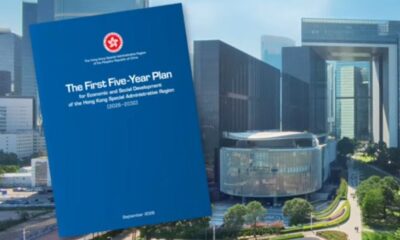
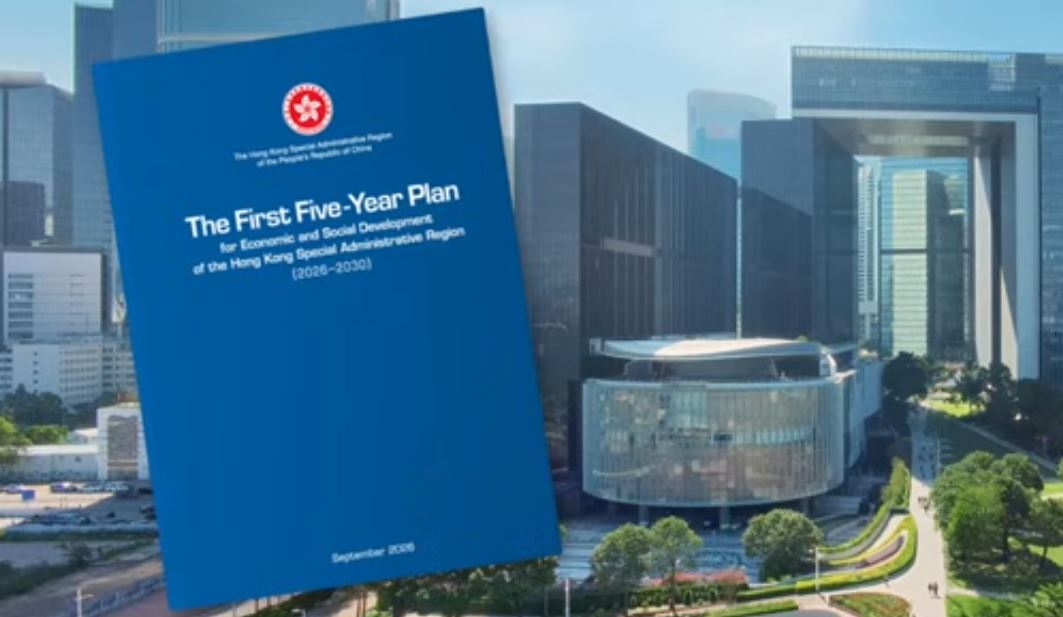
HONG KONG SAR – Media OutReach Newswire – 21 September 2026 – Enhancing the city’s appeal as a destination for tourism and major sports and cultural events was a strong focus of the First Five-Year Plan for Economic and Social Development of the Hong Kong Special Administrative Region (HKSAR) (2026-2030) and the 2026 Policy Address, announced by Hong Kong’s Chief Executive John Lee last week (September 16).

Mr Lee unveiled measures to support the integrated development of culture, sports and tourism which will help develop Hong Kong as an East-meets-West Centre for International Cultural Exchange. These included enriching the supply of high-quality tourism products, while bolstering infrastructure and ancillary facilities as well as deepening engagement with markets in the Chinese Mainland and around the world.


“Hong Kong is blessed with a unique cultural vision, shaped by both Chinese and foreign influences,” Mr Lee said. “We will continue to engage and collaborate with Mainland and overseas culture, arts and creative sectors to consolidate Hong Kong’s role as a hub for the exchange, collaboration and promotion of culture, arts and creativity. We will also host international cultural and arts exhibitions and performances to attract visitors to Hong Kong.”


To support Hong Kong’s film industry and promote “Film + Tourism”, the Support Unit for Non‑local Film Productions will be set up to provide one‑stop services for Mainland and overseas film crews filming in Hong Kong, attracting the production of more quality films to promote Hong Kong.

Mr Lee noted that the Kai Tak Sports Park has substantially expanded Hong Kong’s capacity to host international mega events, with more than 170 sessions of international and local sports and cultural entertainment mega events having been held there so far, attracting over 2.6 million spectators.

Meanwhile, the HKSAR Government will explore the redevelopment of Victoria Park Centre Court and other ancillary facilities into an iconic all‑weather, multi‑purpose venue for holding larger‑scale and higher‑level sports events, as well as performance activities.

Hong Kong’s Secretary for Culture, Sports and Tourism, Rosanna Law, highlighted the growing trend of multi-destination tourism. Ms Law said that Hong Kong welcomed around 36.67 million visitor arrivals in the first eight months of 2026, representing a year-on-year increase of about 11 per cent.

“The proportion of overseas visitors travelling onwards to the Chinese Mainland via Hong Kong has continued to rise, exceeding 20% in the first half of 2026,” Ms Law said.

The HKSAR Government will continue to capitalise on measures introduced by the Central Government to facilitate visits by foreign travellers to the Chinese Mainland, deepen collaboration with Mainland provinces and municipalities, and explore with the country additional immigration facilitation arrangements for international visitors. The Hong Kong Tourism Board (HKTB) will promote multi destination travel itineraries to overseas visitors, partner with airlines to roll out relevant tourism products and promotional offers, and intensify publicity overseas.

It will take forward “+ Tourism” joint initiatives, integrating various events with tourism to raise their appeal, aiming to extend visitor stays in Hong Kong and generate value‑adding momentum. Such joint initiatives would integrate tourism with mega events, ecology, heritage, finance and industrial brands.

On developing the yacht economy, Mr Lee said that a variety of new yacht berth projects are now moving ahead, including the tender for the composite development project in Aberdeen comprising a marina, recreational facilities and residential development scheduled for the first half of 2027, and the yacht bay project under the Airport City “SKYTOPIA”.

“In addition, starting from May, Hong Kong and Macao yachts may navigate in nine Guangdong-Hong Kong-Macao Greater Bay Area cities, with the requirement for guarantee exempted and under temporary ship nationality registration,” Mr Lee said. “The first northbound travel of yachts from Hong Kong set sail in June. The Marine Department will soon sign a memorandum of understanding with the Guangdong Maritime Safety Administration for the implementation of southbound travel for yachts from Guangdong, adding impetus to cross‑boundary leisure consumption.”

To further enhance the city’s appeal as a Muslim‑friendly destination, the HKTB will extend the Hong Kong Restaurants Halal Certification Funding Scheme to the end of 2027, encouraging the industry to provide more Muslim‑friendly food options.


Continue Reading

Business

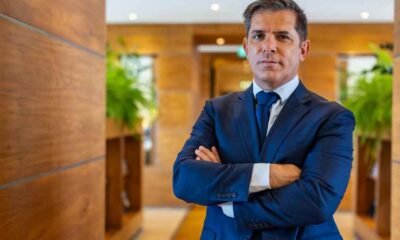
Former DAMAC Senior Vice President Paulo J. Cruz Appointed Founding CEO of African Collaboration Group (ACG) to Spearhead Sports and Entertainment District Development Across Africa

Published

on

Paulo J. Cruz will lead the development and expansion of a pan-African platform for the origination and structuring of large-scale sports and entertainment district ecosystems

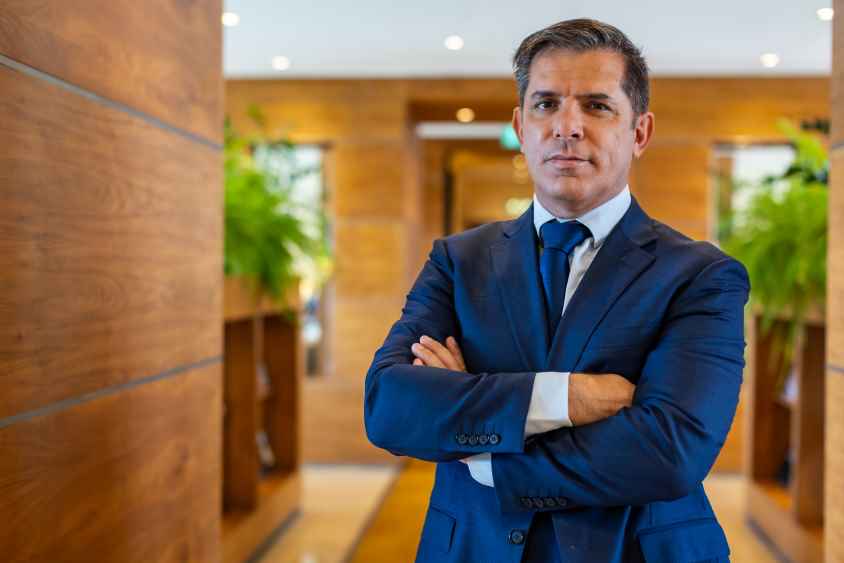
LONDON, United Kingdom, September 21, 2026/APO Group/ –African Collaborations Group (ACG) (www.ACGafrica.com), the leading strategic project origination and collaboration platform focused on the industrialisation of sport in Africa through bankable district ecosystems, today announced the appointment of Paulo J. Cruz as its Founding Chief Executive Officer.


Mr Cruz joins ACG from DAMAC Group, one of the largest privately held real estate developers in the Middle East, where he served as Senior Vice President from 2022 to 2026. In 2025, the Group reported close to USD 10 billion in property sales. His tenure at DAMAC further deepened an already distinguished career spanning infrastructure origination, urbanisation strategy, and large-scale real estate development across Africa, the Middle East, and Europe.

Over the course of his 28-year career, Mr Cruz has originated or structured projects ranging from USD 50 million to in excess of USD 5 billion, stewarding initiatives from early-stage concept through feasibility analysis, financial structuring, and investor alignment to bankable delivery stages. His professional footprint encompasses senior roles at BP, one of the world’s foremost energy companies; BlackIvy Group, a US-backed infrastructure investment platform; Movares, a leading European engineering consultancy; and Cushman & Wakefield, a globally recognised real estate advisory firm.

Prior to DAMAC, Mr Cruz served as Group Chief Executive Officer of LandAfrique, a pan-African development platform focused on industrial parks, infrastructure, housing and power projects across Sub-Saharan Africa, further solidifying his reputation as one of the continent’s most experienced development executives.

Infrastructure is the prerequisite for the industrialisation of sport in Africa

As Founding CEO of ACG, Mr Cruz will lead the development and expansion of a pan-African origination platform, working in close partnership with sovereign governments, development finance institutions (DFIs), private investors, sport and entertainment principals, and leading academic institutions to structure district-level projects that are both investable and deliverable at scale.

ACG operates as a specialised origination and collaboration platform engineered to transform concepts into credible, bankable sport and entertainment district ecosystems — architectures capable of attracting institutional capital and generating long-term, multi-dimensional economic impact at a national and continental scale.

ACG’s flagship initiative, Victory District™, provides a proprietary district development framework designed to originate integrated, mixed-use sport and entertainment destinations that transcend conventional single-venue models. The framework prioritises asset utilisation optimisation, long-term sustainability, expanded revenue diversification beyond matchday economics, structured employment and youth opportunity creation, talent development pathways, and institutional-grade operations and maintenance standards.

Mr Cruz’s appointment follows the establishment of ACG’s Advisory Board, comprising internationally recognised leaders from global sport governance, finance, infrastructure and development institutions — including Fatma Samoura, Former Secretary General of FIFA; Kenny Jean-Marie, Former Chief Member Associations Officer of FIFA; Herbert Mensah, President of Rugby Africa and Executive Board Member of World Rugby; and Jan Alessie, Co-Founder and Managing Director of the World Football Summit — as well as a Research & Impact Advisory Panel of leading scholars focused on the economics, governance and societal impact of sport. The full list of Advisory Board and Research & Impact Advisory Panel members can be consulted here:  https://apo-opa.co/4xMb5ry.

“Paulo brings an exceptional combination of origination expertise, institutional credibility, and continental experience that is virtually unparalleled in this space. His demonstrated ability to transform ambitious development concepts into financially structured, bankable projects positions him as the ideal leader to guide ACG as we build a platform capable of catalysing transformative investment and accelerating the realisation of financially sustainable sport and entertainment districts across Africa,” said Nicolas Pompigne-Mognard (www.Pompigne-Mognard.com), Founder and Executive Chairman of ACG.

A prominent thought leader and keynote speaker at leading international platforms — including the Africa Property Investment Summit (API Summit), the Africa Real Estate Conference & Expo (ARCE), the African Union for Housing Finance Annual Conference, and the West Africa Property Investment Summit — Mr Cruz was honoured as “Person of the Month” by Sustainable Investments and Alliances for Africa (SIA).

“Infrastructure is the prerequisite for the industrialisation of sport in Africa — without it, the entire value chain remains theoretical. Athletes need places to train, compete and develop. Sport governing bodies need venues that meet international standards. Broadcasters, sponsors and event organisers need facilities capable of generating commercial value. Every revenue stream in the sport economy ultimately depends on infrastructure existing and its respective operation. But how that infrastructure is originated determines whether it becomes an economic engine or a fiscal burden. Across Africa, too many sport facilities have been built in isolation — a stadium delivered for a single event, then left to deteriorate at a fraction of its capacity, draining public finances rather than generating returns. ACG exists to change that equation,” said Paulo J. Cruz, Founding Chief Executive Officer of African Collaborations Group.

Distributed by APO Group on behalf of African Collaborations Group (ACG).


Continue Reading

Business

Africa Makes its Case for a Bigger Role on the Global Stage

Published

on

GABI’s Unstoppable Africa 2026 brings global leaders together on Africa’s push to capture more value from its resources, accelerate investment and strengthen its influence in global trade and decision-making

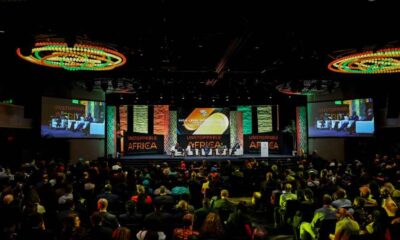
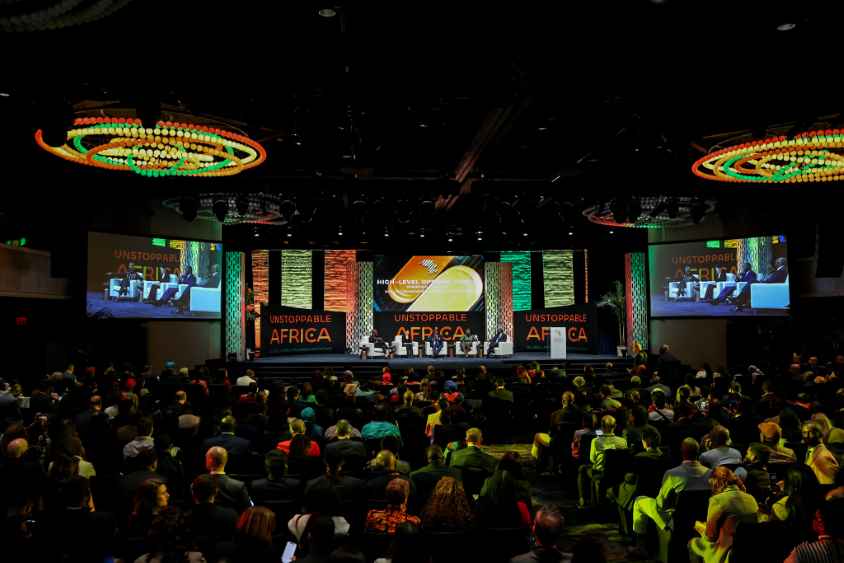
NEW YORK, United States of America, September 21, 2026/APO Group/ –Africa is pushing for a bigger role in shaping the global economy, as business leaders, heads of state, investors, policymakers, and global partners converged in New York yesterday to articulate the continent’s ambition in global trade, investment, and value creation. Held alongside the 81st session of the United Nations General Assembly, Unstoppable Africa 2026 put Africa’s business agenda at the center of the global conversation.


The fifth edition of the Global Africa Business Initiative’s (GABI) flagship convening drew senior leaders from across business, government, and global institutions to the Marriott Marquis in Times Square, including UN Secretary-General H.E. António Guterres; H.E. Mahmoud Ali Youssouf, Chairperson of the African Union Commission; and Massad Boulos, Senior Advisor to the President of the United States on Arab and African Affairs.

The UN Secretary-General called for action to give Africa a greater role on the global stage, including a permanent presence on the United Nations Security Council: “Africa needs a permanent presence on the United Nations Security Council, where it can contribute to dialogue and action for the whole globe.” He stressed that Africa’s growing influence in global markets must translate into a stronger voice in international affairs. Guterres also urged reforms to better reflect the needs of developing countries, particularly in Africa, and for the continent’s natural resources, including critical minerals, to generate more local value and decent jobs rather than simply being exported.

With critical minerals, trade, energy, and investment dominating the first day, Unstoppable Africa reflected a wider shift in Africa’s economic story: from supplying the global economy to building more of the businesses, industries, and value chains that can capture the opportunity.

H.E. Mahmoud Ali Youssouf, Chairperson of the African Union Commission, said Africa’s 1.5 billion people and growing market create a significant opportunity, but the continent must accelerate the development of African value chains and remove barriers to trade to drive industrial transformation. He identified affordable energy, better infrastructure, access to finance, skills, technology, and clear standards as critical requirements for Africa to turn its market potential into faster economic growth.

Africa needs a permanent presence on the United Nations Security Council, where it can contribute to dialogue and action for the whole globe

The private sector took center stage, as African and global business leaders articulated what it will take to turn Africa’s resources, markets, and talent into productive economic capacity. The Leaders Panel brought together Samaila Zubairu, President and CEO of the Africa Finance Corporation; Aliko Dangote, Founder and Chairman of the Dangote Group; Mandy DeFilippo, CEO of Americas, Europe, Middle East and Africa at Standard Chartered; Nonkululeko Nyembezi, Chairperson of Standard Bank Group; Nolitha Fakude, Chairperson of Anglo American South Africa; and Tidjane Thiam, General Partner at Allied Critical Minerals Fund.

Leaders stressed the need to move beyond exporting raw materials, including critical minerals and crude oil, by developing local processing, manufacturing, and value chains that create jobs and retain more economic value on the continent.

One of the highlights announced yesterday was that the US$300 million Nigeria Distributed Renewable Energy (DRE) Fund has reached its first close, securing its initial capital commitments and moving into operation. Co-managed by the Nigeria Sovereign Investment Authority (NSIA) and Africa50, the fund will provide equity financing to local clean-energy developers, supporting decentralized solutions including solar mini-grids, solar home systems, commercial and industrial power solutions, and energy storage. Aligned with Mission 300, which aims to connect 300 million Africans to electricity by 2030, the fund is designed to mobilize private investment and expand reliable energy access for Nigerian homes and businesses.

Energy was another major focus. Anna Bjerde, Managing Director of Operations at the World Bank Group, and Damilola Ogunbiyi, CEO and Special Representative of the UN Secretary-General for Sustainable Energy for All, joined discussions on how innovative finance could unlock investment in Africa’s power infrastructure and accelerate access to reliable energy.

Healthcare also featured within the wider economic conversation. Roche reaffirmed its commitment to advancing breast cancer care through its Africa Breast Cancer Ambition (ABCA), which aims to help 80% of women diagnosed with breast cancer in Africa survive for at least five years by 2030.

Unstoppable Africa 2026 continues today, September 21st, with further sessions focused on digital transformation, investment, creative industries, sport, and Africa’s role in the global economy.

Everyone is invited to watch the event live on Unstoppable Africa YouTube channel at https://apo-opa.co/4xoGXlz

Distributed by APO Group on behalf of Global Africa Business Initiative.


Continue Reading

Trending

Exit mobile version