



Business
Eco Nubia: a model for reviving Egypt’s heritage while preserving the environment

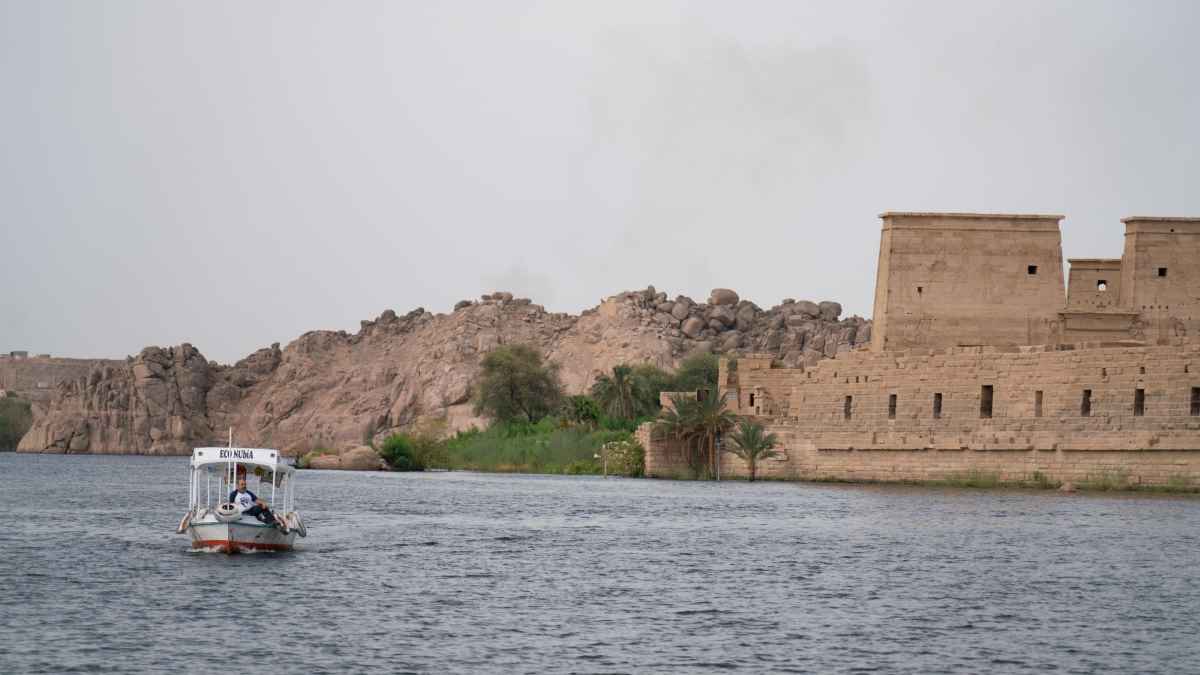
The ecolodge, consisting of nine rooms built from granite and mud, also has facilities for a wide range of activities, including kayaking and swimming, sightseeing and Nubian craft markets
ABIDJAN, Ivory Coast, March 29, 2023/APO Group/ —
Located within a short distance from the famous Aswan Dam, the Temple of Philae, on the islet of Aguilkya, immerses visitors in the history of ancient Egypt. Dedicated to the protective goddess Isis, its bas-reliefs and murals make it an exquisite sanctuary in the country
Aboard his small motorboat, Ahmed Yehia sails serenely towards this treasure of Egyptian heritage, nestled in the heart of the ancient Nubian lands.
“Just next door, I discovered Bigeh, a magical island, abandoned by its inhabitants several years before. I wanted to help revamp and repopulate it while creating value in a sustainable way,” says Yehia, the founder-manager of Eco Nubia, the first ecolodge in Aswan.


Relaunched in January 2018, the project received support from the “Tanmia wa Tatweer,” Egypt’s Entrepreneurship Development initiative funded by the Danish-Arab Partnership Program and implemented by the African Development Bank. It aims to revive the Nubian culture and create a new ecotourism place in Egypt, serving local and international customers. Using natural materials from several regions of the country, the revival of Bigeh has created jobs for the local community.
“In partnership with the Nubian community, we have put Bigeh on the map of Egyptian ecotourism,” says Yehia. Open all year round, the fully equipped lodge overlooks the temple of Philae. It has a banquet room and a restaurant that serves traditional Nubian cuisine based on organic products grown on-site.
The ecolodge, consisting of nine rooms built from granite and mud, also has facilities for a wide range of activities, including kayaking and swimming, sightseeing and Nubian craft markets.
Owners of the facility have built a community center and workstations for eco-friendly Nubian crafts and have created new jobs for about 50 Nubian families, including women

Eco Nubia has brought the abandoned island back to life. The facility now employs about 30 people, a third of them women. Since 2018, five Nubian houses have been rebuilt and furnished in the Nubian tradition. An integrated network of electricity, water and sewerage has also been created for the islanders to suit the environment.
The facility has attracted tourists globally. It has won commendation from the United Nations World Tourism Organization and the Egyptian Ministry of Tourism for its outstanding achievements in sustainable development. The ecolodge has attracted local and international media, including the American channel CNN which devoted a special program to it.
“Our own farm produces what we consume,” says Ahmed Yehia.
Owners of the facility have built a community center and workstations for eco-friendly Nubian crafts and have created new jobs for about 50 Nubian families, including women. With an area of 80 square meters, the community center was built according to the principles of Nubian architecture. It is now enthroned on top of a small mountain in order to have a panoramic view of the surroundings, which carry within them a part of the history of ancient Nubia.

“We also want to help the people of Bigeh rebuild their homes using traditional materials and the same ancient techniques of Nubian architecture, while preserving the island’s natural environment,” Ahmed Yehia says.
Distributed by APO Group on behalf of African Development Bank Group (AfDB).















Business
Enlit Africa seeks contributions that move the conversation from strategy to execution: ensuring a Future Fit Africa

Business
CEM Africa Awards 2026 set to recognise Africa’s leading Customer Experience (CX) talent and innovation
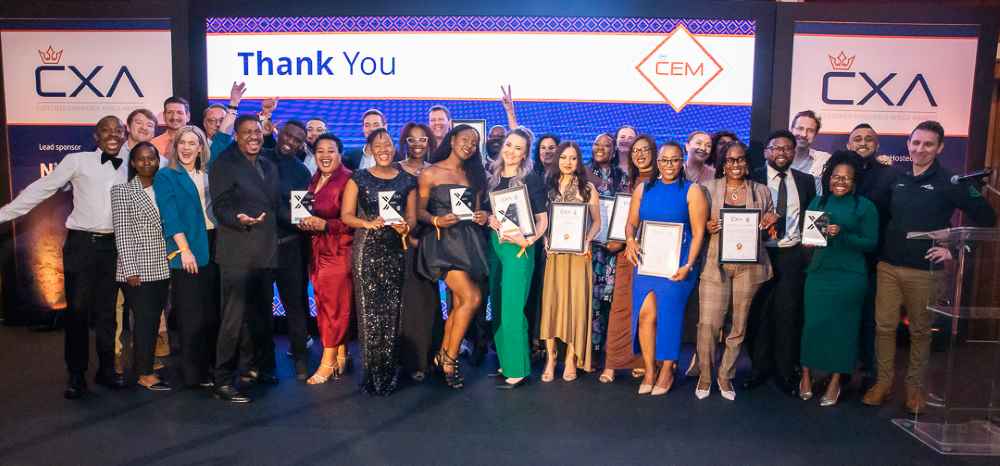
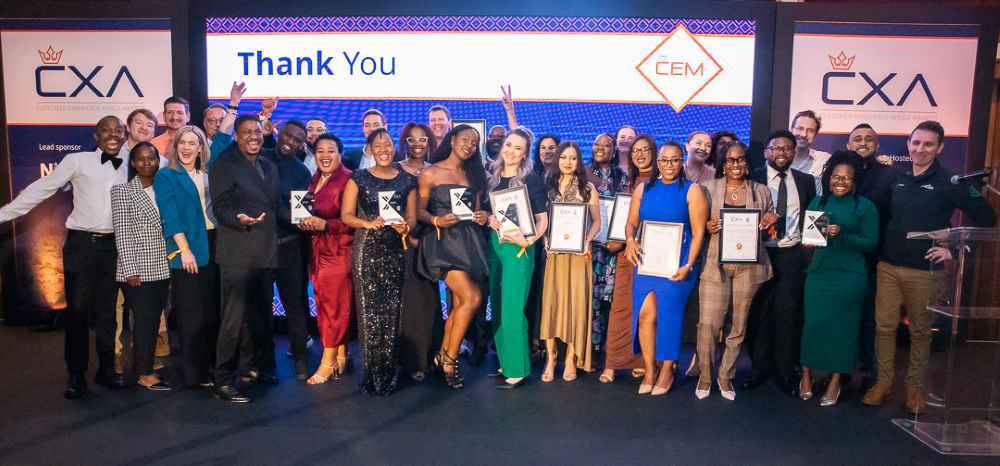
The 2025 awards attracted more than 80 entries and 31 finalists, culminating in eight award winners

The calibre of organisations and individuals recognised through the CEM Africa Awards demonstrates just how much extraordinary CX work is being done across the continent
JOHANNESBURG, South Africa, September 25, 2026/APO Group/ –Customer experience professionals, teams and organisations across Africa have just days remaining to enter the 2026 CEM Africa Awards, with free applications closing on 30 September 2026.
Taking place on 10 November 2026 at the NH Hotel in Sandton, Johannesburg, the Customer Experience Africa Awards form part of the CEM Africa platform and recognise the individuals, teams, technologies and initiatives raising the standard of customer experience across the continent.
For organisations considering whether to enter, the company they could be keeping provides a compelling indication of the calibre of the awards.
A growing roll call of African CX leaders
The 2025 awards attracted more than 80 entries and 31 finalists, culminating in eight award winners. Finalists represented organisations spanning financial services, technology, telecommunications, retail, insurance, public services and social impact.
Among them were Absa, Capitec Bank, Santam, Telesure Investment Holdings, Equity Bank, Takealot.com, NTT DATA, Frogfoot, Telviva, Harambee Youth Employment Accelerator, the University of Pretoria and South Africa’s Department of Social Development.
The 2025 winners included Serisha Iyer of Absa Corporate and Investment Banking, named Rising Star in CX; Alma Angela Olela of Jubilee Health Insurance, named CX Leader of the Year; and Franco Cotumaccio of Shadow Global, winner of Breaking Barriers in CX.
Corporate winners included Telesure Investment Holdings for Best Overall CX Solution, Krisp for Best Use of AI, Telviva for Best Enterprise Contact Centre Platform, Harambee Youth Employment Accelerator for Best Customer Experience Team of the Year and the University of Pretoria for Best Citizen Experience Initiative.
That follows a 2024 edition in which winners included NCBA Bank, MultiChoice, Digital Solutions Group, Absa Bank and Telviva, alongside individual CX leaders from across the continent.
More than a trophy
For entrants, recognition through the CEM Africa Awards puts their work in front of a wider African CX community and an independent judging panel drawn from across the industry.
The 2026 judging panel includes global CX specialist Ian Golding; Andrew (Dré) Enebeli, Head of CX & Engagement at Access Bank; Dr Oliver Museka, President and Founder of IRDM College Eswatini; Jonathan Daniels, Managing Director of CX Centric; Joven Pillay, Partner and Head of Customer Consulting at KPMG; and Qaalfa Dibeehi, Managing Partner at Human2Outcome.
This year’s awards recognise excellence across four broad pillars – People, Innovation, Transformation and Government – covering categories including CX Leader of the Year, Rising Star in CX, Breaking Barriers in CX, Best Overall CX Solution, Best Use of AI, Best Enterprise Contact Centre Platform, Best Customer Experience Team of the Year, Best Digital Transformation in Public Services and Best Citizen Experience Initiative.
“The calibre of organisations and individuals recognised through the CEM Africa Awards demonstrates just how much extraordinary CX work is being done across the continent. These awards give that work a platform. Whether it is a major transformation programme, an innovative use of technology or an individual changing how their organisation thinks about the customer, we want to make sure Africa’s best work is being seen and recognised.”
- Briteny Price, Event Manager and CEM Africa Awards Director
Final opportunity to enter
Applications for the 2026 CEM Africa Awards are free and remain open until 30 September 2026. Finalists will be announced in October, ahead of the awards ceremony on 10 November at the NH Hotel, Sandton.
Organisations, teams and individuals working to improve customer and citizen experience across Africa are encouraged to submit their entries before the deadline.
Apply for the CEM Africa Awards 2026 by 30 September 2026
Submit your application (https://apo-opa.co/4hdcimx)
Explore the CEM Africa Awards
Visit the CEM Africa Awards website (https://apo-opa.co/4iNXzzM)
Distributed by APO Group on behalf of VUKA Group.
Business
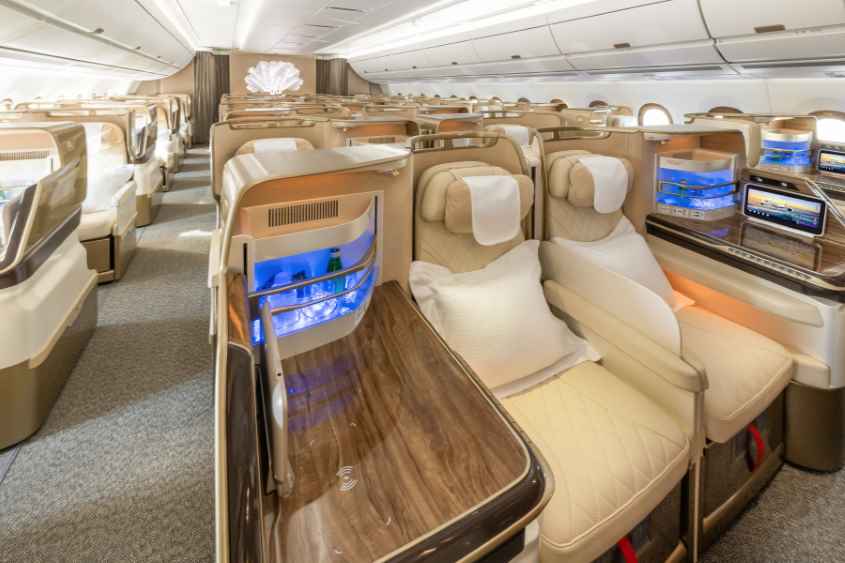
Emirates to bring the A350 to Nairobi, introducing next-generation cabin experiences

-

 Energy4 days ago
Democratic Republic of the Congo (DRC) Brings Oil Development Push to African Energy Week (AEW) 2026 as Hydrocarbons Minister Leads Sector Agenda
-

 Business5 days ago
Hong Kong outlines strategies for deepening development of the Guangdong-Hong Kong-Macao Greater Bay Area and enhancing green transformation
-
 Business4 days ago
AFRICLOUD Opens Lagos Region and Local-Currency Payments in African Markets
-

 Business4 days ago
Africa Finance Corporation (AFC) Supports Successful Close of ₦729 Billion Series 2 Bonds to Advance Nigeria’s Power Sector Reforms
-

 Business4 days ago
Binance Invests $100 Million in Circle, Expands Strategic Partnership and Renews for Five Years
-
Business4 days ago
South Africa’s Orange Basin Gains Momentum as Navitas Takes Block 1 CBK Operatorship
-
 Business5 days ago
Alamein Africa Forum to bring together key political and business leaders
-

 Events4 days ago
Global Mayors Dialogue in Wuhan focuses on urban innovation and cooperation