Connect with us

Energy

African Energy Week (AEW) 2025: ConocoPhillips Wins CSR Award for Malaria Elimination in Equatorial Guinea

Published

on

ConocoPhillips

ConocoPhillips is recognized for its two-decade commitment to malaria elimination on Bioko Island, setting a benchmark for impactful, long-term corporate social responsibility in Africa

CAPE TOWN, South Africa, October 9, 2025/APO Group/ –ConocoPhillips has been awarded CSR Project of the Year at African Energy Week (AEW) 2025: Invest in African Energies, in recognition of its long-standing support for the Bioko Island Malaria Elimination Project (BIMEP) – a transformative public health initiative that has delivered measurable, lasting impact in Equatorial Guinea.

ConocoPhillips’ support for BIMEP proves that energy companies can be powerful partners in advancing public health and long-term development on the continent

For over two decades, ConocoPhillips has played a pivotal role in BIMEP, partnering with the government of Equatorial Guinea, Marathon Oil, the Medical Care Development International and other stakeholders to combat malaria on Bioko Island. Since its launch in 2003, the project has achieved a dramatic reduction in malaria transmission, saving lives, strengthening local health systems and establishing a gold standard for data-driven, community-based disease elimination programs in Africa.

By 2025, BIMEP has reduced malaria transmission on Bioko Island by about 78%, compared to pre‑intervention levels. Two major malaria vector species – Anopheles funestus and Anopheles gambiae sensu stricto – have been eliminated from the island, while all-cause mortality and severe anemia rates among children aged 2–14 have significantly declined.

The success of BIMEP underscores the vital role the energy sector can play in driving socioeconomic development beyond resource extraction. With deep local footprints, long-term investment horizons and technical capacity, energy companies are uniquely positioned to implement high-impact CSR initiatives that align with national development goals. ConocoPhillips’ work in Equatorial Guinea demonstrates how the sector can contribute meaningfully to public health, education and infrastructure, laying the groundwork for more inclusive and resilient communities.

“This award honors not only a commitment to corporate social responsibility, but a deep, sustained investment in the health and well-being of communities,” states NJ Ayuk, Executive Chairman of the African Energy Chamber. “ConocoPhillips’ support for BIMEP proves that energy companies can be powerful partners in advancing public health and long-term development on the continent.”

Distributed by APO Group on behalf of African Energy Chamber.

Home  Facebook

Business

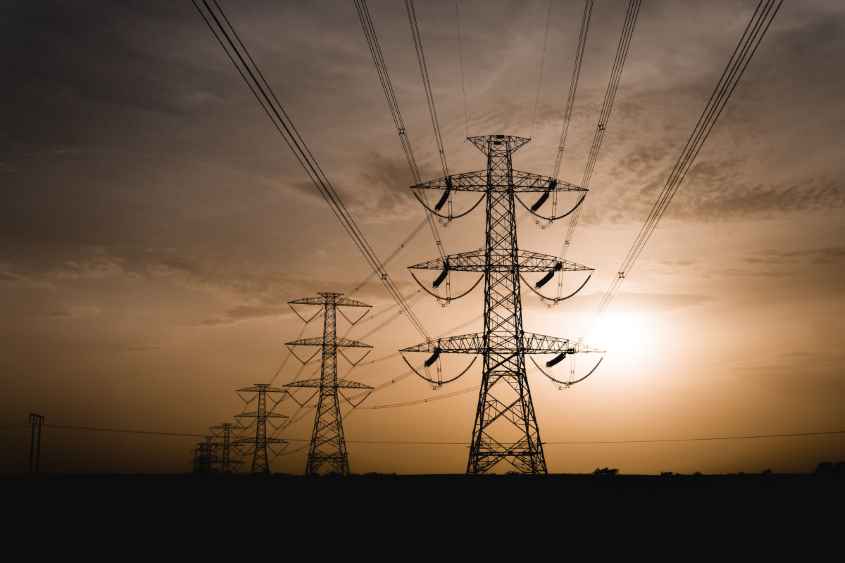
How CESI is helping shape Africa’s next-gen power grids

Published

on

CESI, a global engineering and consulting company specialising in power systems and energy transition, has supported utilities, transmission system operators and public institutions

CAPE TOWN, South Africa, November 6, 2026/APO Group/ –Across Africa, power systems are undergoing a profound transformation. Rapid population growth, urbanisation, industrial development and ambitious electrification goals are increasing pressure on networks that must improve reliability, integrate growing volumes of renewable energy and strengthen regional interconnections.


For utilities, regulators and governments, this creates a dual challenge: planning future power systems while modernising the infrastructure required to operate them safely and efficiently.

Drawing on projects delivered across the continent CESI, a global engineering and consulting company specialising in power systems and energy transition, has supported utilities, transmission system operators and public institutions in addressing both long-term planning requirements and grid modernisation challenges. These experiences highlight how strategic planning and operational modernisation are becoming increasingly interconnected.

Planning for growth in a changing energy landscape

Many African countries are updating power sector strategies to reflect changing demand patterns, evolving technologies and new regional opportunities. National master plans in countries including Angola, Mozambique and Liberia are examining how generation, transmission and distribution systems can evolve over the coming decades while remaining technically feasible and financially sustainable.

A key trend is the growing emphasis on integrated planning. Rather than treating generation, transmission and distribution separately, stakeholders are increasingly assessing investments across the entire value chain to meet future demand efficiently and reliably. Demand forecasting methodologies are also evolving, considering industrial development, electric mobility and broader electrification trends.

Renewable energy integration is another central consideration. Africa possesses significant solar, wind and hydropower resources, but integrating these technologies requires careful assessment of transmission capacity, system flexibility, reserve requirements and grid stability. In this context, CESI has contributed to power sector master plans and network studies evaluating future development pathways while addressing reliability, economic and energy transition objectives.

Regional interconnections as strategic infrastructure

Regional integration continues to play an increasingly important role in Africa’s electricity sector. Future Interconnection projects linking countries such as Ethiopia and Somalia, Uganda and Tanzania, and Uganda and South Sudan demonstrate how cross-border infrastructure can enhance energy security and optimise the use of available generation resources.

Delivering these projects requires more than engineering analysis. Technical, economic, regulatory and operational considerations must be aligned among participating countries. Through its involvement in several interconnection initiatives at different stages across Africa, CESI has supported stakeholders in assessing feasibility, network performance and operational requirements for cross-border electricity exchanges.

As regional power markets continue to develop, interconnected systems are expected to contribute further to reliability, operational flexibility and efficient resource utilisation.

Modernising grid operations for greater reliability

Alongside long-term planning, utilities are investing in modern operational technologies to improve management of increasingly complex power systems. Control centres, SCADA systems, energy management systems (EMS) and telecommunications networks are becoming essential components of modern grid operations.

In countries including Mozambique and Angola, projects are supporting the development of advanced control centres capable of monitoring generation facilities, transmission networks and interconnections through integrated operational platforms. These systems provide operators with real-time visibility and decision-support capabilities that strengthen system reliability and operational efficiency.

Meanwhile, programmes in Tunisia and Nigeria illustrate how utilities are upgrading ageing SCADA and EMS infrastructures to meet evolving requirements. Modern solutions increasingly incorporate

  • cybersecurity,
  • wide-area monitoring capabilities and
  • renewable energy management functions.

CESI’s experience in control centres, SCADA/EMS systems and power system operations reflects the growing importance of digital technologies in enabling more resilient and responsive electricity networks.

Building resilience and technical capacity

Environmental and social considerations are becoming increasingly important across both planning and modernisation initiatives. Climate resilience now plays a central role in infrastructure development, particularly in countries exposed to extreme weather events or heavily dependent on hydropower resources. As a result, environmental and social assessments are increasingly integrated into project design and investment decision-making processes.

Capacity building is equally important. New technologies and analytical tools require utilities and public institutions to continually strengthen technical capabilities. Training and knowledge-transfer programmes have therefore become integral components of many planning, interconnection and grid modernisation projects, helping organisations develop the expertise needed to manage increasingly sophisticated power systems.

An integrated approach to Africa’s power future

Several common themes are emerging across Africa’s electricity sector. Utilities are adopting longer-term planning horizons, renewable energy is becoming a central driver of network development, regional interconnections are expanding opportunities for power exchange, and digitalisation is transforming power system operations.

Together, these trends point towards a broader evolution of African power systems. The challenge is no longer simply expanding infrastructure, but ensuring that future networks are planned, operated and modernised in a coordinated manner. Achieving this objective will require continued collaboration among utilities, governments, regulators, financiers and technical stakeholders.

Experience across the continent suggests that integrating sound planning with targeted grid modernisation can support the development of more reliable, resilient and adaptable power systems, helping meet Africa’s long-term economic and social development goals.

CESI is a partner of ESI Africa, the power, energy, water, transport and utility multimedia platform that forms part of VUKA Group.

Read the article and access more information: https://apo-opa.co/47Xr1g3

Distributed by APO Group on behalf of VUKA Group.


Continue Reading

Business

Bilateral Cooperation Anchors South Sudan’s Energy Renaissance

Published

on

South Sudan Oil & Power 2026 provides a platform for South Sudan’s energy industry to connect with regional and international partners to accelerate oil and gas development

JUBA, South Sudan, November 6, 2026/APO Group/ –South Sudan is placing bilateral partnerships at the center of its energy renaissance. As East Africa’s sole oil producer seeks to expand geomapping, unlock 14 available exploration blocks, maximize brownfield production and strengthen access to regional energy markets, cross-border cooperation has become a strategic avenue for accelerating development.


The upcoming South Sudan Oil & Power (SSOP) conference – scheduled for November 24–25, 2026 in Juba – provides a platform to connect South Sudanese authorities with regional and international counterparts, drive new investment and forge strategic energy partnerships. Returning for its seventh edition, SSOP will connect South Sudan’s regional and global partners with emerging investment prospects across the oil value chain as the country eyes production targets of 230,000 barrels per day (bpd) in the near term and 450,000 bpd in the longer-term.

Strengthening Regional Petroleum Trade

Already a major exporter, South Sudan is actively pushing to establish a domestic refining industry while exploring cross-border petroleum trade opportunities with regional neighbors. The October 2026 meeting between South Sudanese President Salva Kiir and Kenyan President William Ruto marked a major milestone in strengthening bilateral energy and infrastructure cooperation to accelerate regional market growth.

The engagement builds on momentum generated in September 2026, when a delegation of South Sudan’s key energy leaders – led by Caretaker Minister of Petroleum Awow Daniel Chuang – attended the groundbreaking of Dangote’s $16 billion, 700,000-barrel-per-day refinery project in Kenya. Once operational, the refinery could open new markets for South Sudan’s crude while supplying refined products to meet growing domestic demand. Dangote Refinery CEO David Bird is speaking at SSOP 2026.

Expanding Trade Corridors and Bilateral Synergies

Beyond Kenya, South Sudan is actively solidifying strategic energy and trade arrangements across the region. Bilateral agreements signed with Uganda in October 2026 are designed to improve market access, remove trade barriers and streamline petroleum-product logistics and transport links. In April 2026, South Sudan and Ethiopia reaffirmed bilateral cooperation on infrastructure, transport and oil industry development following a meeting between President Kiir and Ethiopian Prime Minister Dr. Abiy Ahmed. These engagements underscore South Sudan’s growing focus on strengthening regional petroleum infrastructure, expanding cross-border trade and securing reliable crude export routes.

South Sudan Looks to International Partners

South Sudan is also strengthening engagement with international partners. Following an October 30 meeting between President Kiir and Russian President Vladimir Putin, Russia committed to training 40 South Sudanese professionals for the 2026/2027 period, leveraging its position as a major hydrocarbon producer to support the nation’s energy development.

Separately, South Sudan’s Minister of Energy and Dams Agok Makur Kur met with a delegation from the European Union to discuss foreign investment and bilateral cooperation, with discussions centering on co-developing national electricity networks and essential dam infrastructure.

SSOP 2026: Turning Partnerships into Tangible Projects 

As South Sudan strengthens ties with regional partners, SSOP 2026 serves as the official platform for deal-making, policy alignment and commercial collaboration. By bringing together public decision-makers, regional counterparts and private sector leaders, the event provides a platform to convert bilateral engagement into tangible project developments. For operators and investors looking to capitalize on South Sudan’s evolving oil and gas landscape, SSOP 2026 offers direct access to new opportunities across exploration, midstream infrastructure and regional energy supply chains.

Distributed by APO Group on behalf of Energy Capital & Power.


Continue Reading

Business

Congo’s Energy Expansion Opens New Opportunities for Investors at Congo Energy & Investment Forum (CEIF) 2027

Published

on

The country is targeting higher oil output while opening investment opportunities across exploration, gas and power infrastructure

BRAZZAVILLE, Republic of the Congo, November 6, 2026/APO Group/ –The Republic of Congo is at a turning point in its energy development. The country aims to increase oil production to 500,000 barrels per day within three years while advancing its Gas Master Plan to reduce flaring. As a result of this strategy, investment opportunities are emerging across the upstream value chain for international oil companies looking to revive exploration and rehabilitate mature fields.

As the country seeks to maximize the value of its hydrocarbon resources, increase production and expand its industrial base, the Congo Energy & Investment Forum (CEIF) 2027 will bring investors and policymakers together in Brazzaville from June 1–3 to examine projects and investment opportunities across the sector.


Reviving Exploration and Rehabilitating Mature Fields

Opportunities across Congo’s oil production sector cater to different investor profiles. The country is seeking to revive exploration, particularly onshore, through the Cuvette and Kouilou permits. The government has also introduced incentives to encourage companies to take on the financial risks associated with exploring geologically complex areas. Greater flexibility in production-sharing contracts, including more favorable fiscal terms for deepwater and ultra-deepwater exploration, is intended to attract investment into these higher-risk plays.

These measures are beginning to translate into renewed exploration activity. In April 2026, TotalEnergies announced a discovery on the Moho license, where the MHNM-6 NFW exploration well encountered a 160-meter hydrocarbon column. Combined with an earlier discovery on the neighboring Moho F structure, the findings represent estimated recoverable resources of close to 100 million barrels. TotalEnergies plans to develop the resources through tie-backs to existing production infrastructure.

Beyond exploration, Congo is also seeking to extend the productive life of its mature fields. This creates opportunities for independent operators specializing in acquiring and revitalizing assets, using infill drilling and near-field exploration to unlock additional production. Perenco provides an example of this approach. In May 2026, the company reported the results of a five-well infill campaign on its offshore Tchibouela East field, completed at the end of 2025. The wells delivered a sustained production increase of approximately 6,000 barrels of oil per day.

Gas Creates Investment Opportunities in Exports and Domestic Power Generation

Eni’s Congo LNG project reached a liquefaction capacity of three million tons per annum (mtpa) in February 2026, when the 2.4-mtpa Nguya floating unit joined the 0.6-mtpa Tango FLNG facility. Together, the two units can process 4.5 billion m³ of gas annually. Eni produced 70,000 barrels of oil equivalent per day (boepd) in Congo in 2025 and expects output to reach 110,000 boepd by the end of 2026.

Beyond exports, natural gas is central to domestic electricity generation. Eni operates the 484-MW Centrale Électrique du Congo, using gas from the M’Boundi field and accounts for 70% of the country’s power generation capacity. However, electricity supply remains constrained: Brazzaville faces a production shortfall of more than 130 MW against an estimated demand of 260 MW.

With proven natural gas reserves estimated at 100 billion m³, Congo has scope to attract investment in additional gas-to-power capacity, gas processing and associated infrastructure.

Power Distribution Infrastructure

Beyond power generation, the country offers investment opportunities in the rehabilitation and modernization of its electricity transmission and distribution networks. Congo’s electricity crisis, reflects a series of major failures across the network operated by state utility Énergie Électrique du Congo (E2C). Recent checks by Congo’s telecommunications regulator found that operators’ sites received an average of nine hours of grid electricity per day. Only around 600 MW of installed generation capacity is considered available, while network losses reached 45% in 2022.

The government is therefore pursuing reforms at E2C alongside investment in transmission and distribution infrastructure. The World Bank-backed $100 million Electricity Services Improvement Project, launched in 2025, targets rehabilitation of the 220-kV transmission line connecting Pointe-Noire and Brazzaville, upgrades to substations and improvements to distribution services.

With opportunities spanning the full energy value chain, the Republic of Congo is increasingly being put on the radar of investors assessing prospects across Africa. From oil and gas to power generation and distribution, the country offers investment opportunities across a range of project sizes and capital requirements. CEIF 2027 will bring together government representatives, international operators, investors and service providers to discuss these opportunities and advance commercial partnerships across the country’s energy sector.

Organized by Energy Capital & Power in collaboration with the Ministry of Hydrocarbons, CEIF 2027 will enable candid dialogue, facilitating new investments and deals in the country’s energy sector. For more information, visit https://CongoEnergyInvestment.com.

Distributed by APO Group on behalf of Energy Capital & Power.


Continue Reading

Trending

Exit mobile version