The climate projects that benefit from this system range from reforestation and forest conservation to renewable energy and carbon-storing agricultural practices
JOHANNESBURG, South Africa, March 9, 2023/APO Group/ —
By NJ Ayuk, Executive Chairman, African Energy Chamber (http://www.EnergyChamber.org)
One of the most promising outcomes of the COP27 climate conference last November was the launch of the African Carbon Markets Initiative (ACMI). This African-led initiative is designed to significantly drive up the continent’s participation in voluntary carbon markets.
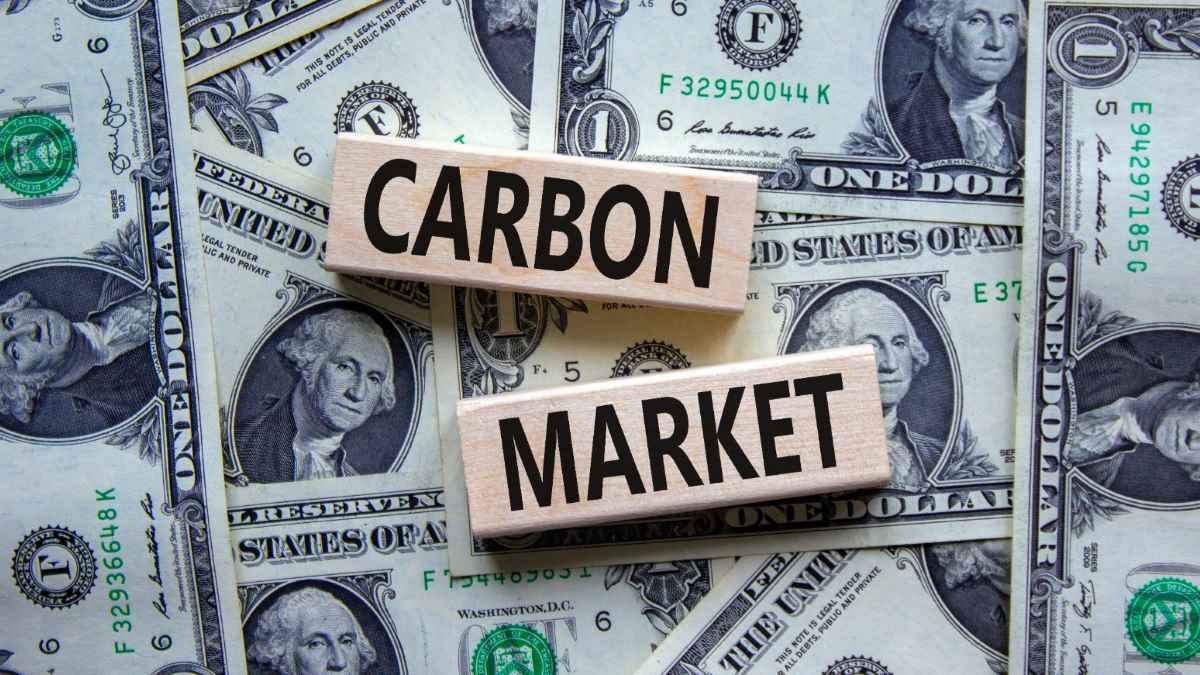
Carbon markets are platforms for carbon trading: the buying and selling of credits that allow entities to release a specified amount of carbon dioxide or other greenhouse gases. Essentially, carbon trading allows countries (or companies) to fund projects that reduce emissions instead of reducing their own emissions.
The climate projects that benefit from this system range from reforestation and forest conservation to renewable energy and carbon-storing agricultural practices.
We at the African Energy Chamber, like other advocates, are excited about carbon trading’s potential to bolster investment in green technologies and projects, especially in developing countries. We’re optimistic about the prospect of seeing the carbon trading system lead to more investments in African climate projects, which could help African states generate the necessary revenue to build a renewable energy sector.
However, we are concerned that Africa is not being included in the world’s carbon trade to the extent it should be. According to Good Governance Africa, only about 2% of the global climate projects funded through carbon trading were in our continent, and the majority of those took place in South Africa and the North Africa region.
As I stated in my recently released book, ‘A Just Transition: Making Energy Poverty History with an Energy Mix’, Some argue that we simply don’t have the political will to pursue this opportunity. Others say that we lack the necessary technology, or that we need a regulatory framework to move forward. I believe there is some truth in all of those statements, but we must find ways to overcome these obstacles.
Certainly, the creation of ACMI is very promising, but there is still a great deal of work to be done to ensure that Africa fully capitalizes on what carbon trade has to offer. We must begin now.
Limiting Africa’s participation in the carbon market is a big mistake. This would be a missed opportunity for our continent that we simply cannot afford.
How Carbon Trading Helps
In 1997, the United Nations Framework Convention on Climate Change established the Kyoto Protocol to reduce worldwide carbon emissions by obligating countries to limit greenhouse gases according to individual targets. The protocol asks participating countries to first attempt to meet their hydrocarbon targets through national measures, but if they can’t, the protocol allows them to meet their targets through the market. If a country emits more than its target amount, it may buy “surplus credits” from those that have achieved their protocol targets.
The basic concept is that it doesn’t matter where emissions are reduced, just that they are removed from the atmosphere.
From an ecological standpoint, the carbon trade supports emission reduction goals, and it does so by promoting a win-win situation: A hydrocarbon emitter may exceed its target, as long as it purchases permits or credits generated from emissions-reduction projects. A typical transaction sees an industrialized nation investing its credits in environmental projects in developing nations, which also fast-tracks newer, cleaner infrastructure that these regions might otherwise never have the access or the means to introduce.
The ramifications of this are profound.
Consider what the International Emissions Trading Association said in 2019 about carbon trading’s potential to cover the costs of African countries’ nationally determined contributions (NDCs), that is, what they’ve pledged to do to address climate change under the Paris Agreement.
“Cross-border coordination in the form of carbon trading could cut the cost of meeting NDCs in half by 2030, making it possible to cut emissions 50 percent more, at no additional cost.”
And from an economic standpoint, carbon trading is a brilliant mechanism because it works with the reality of the world: Some nations or regions of the world (typically industrialized areas) are unable or unwilling to cut their emissions back far enough, while others (predominantly in developing economies) create far fewer emissions. Trading carbon credits as a commodity supports the needs and goals of both industrialized and developing nations.
Africa Must Capitalize on Carbon Trading
We are concerned that Africa is not being included in the world’s carbon trade to the extent it should be
In addition to the environmental possibilities, carbon trading is also a cash cow.
The market for trading carbon has grown substantially since its inception: In 2021, the value of traded carbon credits hit $851 billion. There are now about 70 carbon pricing instruments (CPIs) operating worldwide, including taxes and emissions trading systems, which involve some 23% of global emissions.
It’s fascinating that carbon emission reduction is now tracked and traded like any other commodity. And clearly, this is a huge market.
Unfortunately, to date, much of Africa has been missing the boat when it comes to fully participating in global carbon markets on fair terms.
In a recent report, ACMI’s founders identified some of the obstacles that must be overcome for Africa to realize its carbon market potential. The list is significant. A few of the obstacles included are:
- A limited number of project developers, about 100, operate in Africa.
- There are significant up-front capital requirements to launch carbon credit projects.
- Regulatory challenges exist that vary from country to country.
- Fragmented assets make deploying large-scale climate projects more difficult.
- Fostering community buy-in can be challenging.
- The ease of doing business varies by country and community.
- The methodology for designing carbon credit projects is not always a good fit for African countries, where infrastructure and technology can be limited.
- The required validation and verification of carbon credit projects can be expensive and involve long lead times.
- Africa lacks capacity for project verification.
The pathway to overcoming these obstacles will be complex and multifaceted. One important step, I believe, will be cross-border collaboration in carbon markets.
We can see the positive results of such collaboration in other regions of the world. The European Union Emissions Trading System (ETS), for example, has expanded to include almost half of all European emissions since its 2005 inception. China launched its own ETS in 2021. The EU is now in the planning stages of linking its system with the independent Swiss market, while China is working to link its ETS with a regional market of Southeast Asian countries to increase cooperation for greater efficacy.
Now is the time to call upon industrialized leaders to boost their collaboration with their African colleagues. Large emitters must be encouraged to channel investment — through the carbon trading mechanism — into African green initiatives.
Let’s follow the example that Sweden and Rwanda are setting. They are negotiating their own government-to-government climate financing system, which, in Rwanda, has already restored 100,000 hectares of degraded ecosystems, created 176,000 jobs, and brought renewable off-grid energy to 88,000 households. This partnership has the potential to finance Rwanda’s ambitious 38% reduction in greenhouse emissions by 2030.
We need to see even more African participation in collaborations like this.
African Leadership in the Carbon Trade Is a MUST!
Africa would be remiss not to embrace carbon trading and have discussions with wealthy nations about channeling more investments into African climate projects. But more importantly, Africans need to take leadership on this.
Waiting for an “invitation” and not being pragmatic enough to embrace carbon trading in its entirety will make it difficult for Africa to catch up later.
This means that we Africans need to drive those discussions. We also need to ensure — and be ensured — that investments in African climate projects are just. We’ve already seen examples of projects that shortchanged Africans. Several years ago, for example, Kenyan farmers were promised payments for storing carbon in their soils and farm trees. But the market price for carbon plummeted, and the farmers received little.
The last thing we need is to be boxed into a constrictive market that victimizes Africa by allowing investors to take advantage of us. We need to establish what fair value is for investments in African projects and ensure that wealthy nations really pay us what’s fair.
This brings us back to the ACMI that was launched during COP27. It is committing to developing a transparent, practical, sustainable approach to carbon markets for Africa. By doing that, it says, it will unlock billions of dollars in revenue for African climate projects and create more than 100 million jobs by 2050.
I believe African governments, businesses, institutions, and organizations should support this initiative — and do everything possible to expand Africa’s role in carbon trading.
Doing this offers the prospect of adding massively to African economies, not only by creating jobs, but also by expanding energy access through the renewable energy projects that receive funding. And, at the same time, we will be supporting environmental causes by protecting biodiversity and driving climate action.
These benefits are too important to miss.
Distributed by APO Group on behalf of African Energy Chamber.























 Business5 days ago
 Business5 days ago
 Events2 days ago
 Business2 days ago
 Business2 days ago
 Business2 days ago
 Business2 days ago