



Business
11th East Africa Property Investment Summit announced for 17-18 April 2024 in Nairobi


The event brings together international and regional leaders, with more than 200 companies represented at the gathering
NAIROBI, Kenya, March 6, 2024/APO Group/ —
The 11th annual East Africa Property Investment (EAPI) Summit will be held on 17 and 18 April 2024 in Nairobi, Kenya. With dedicated forums for housing, hospitality, retail and proptech, #EAPI2024 promises to be bigger and more influential than ever before.
Positioned at the centre and hub of the continent, East Africa’s fast-moving and evolving economies are setting the tone for investment and development across the real estate value chain. Given this standing, it is not surprising that #EAPI2024 will host over 500 attendees from 15 countries in April. The event brings together international and regional leaders, with more than 200 companies represented at the gathering.
Under the theme “Inspire, Imagine, Invest,” this year’s event will be exclusively in-person at Radisson Blu, Upper Hill, Nairobi. Attendees will connect, share insights and do deals with exclusive opportunities to network and access valuable content. Over two days, the event will share expertise from 90-plus speakers, in addition to a variety of valuable networking opportunities and other unique experiences to foster dealmaking.
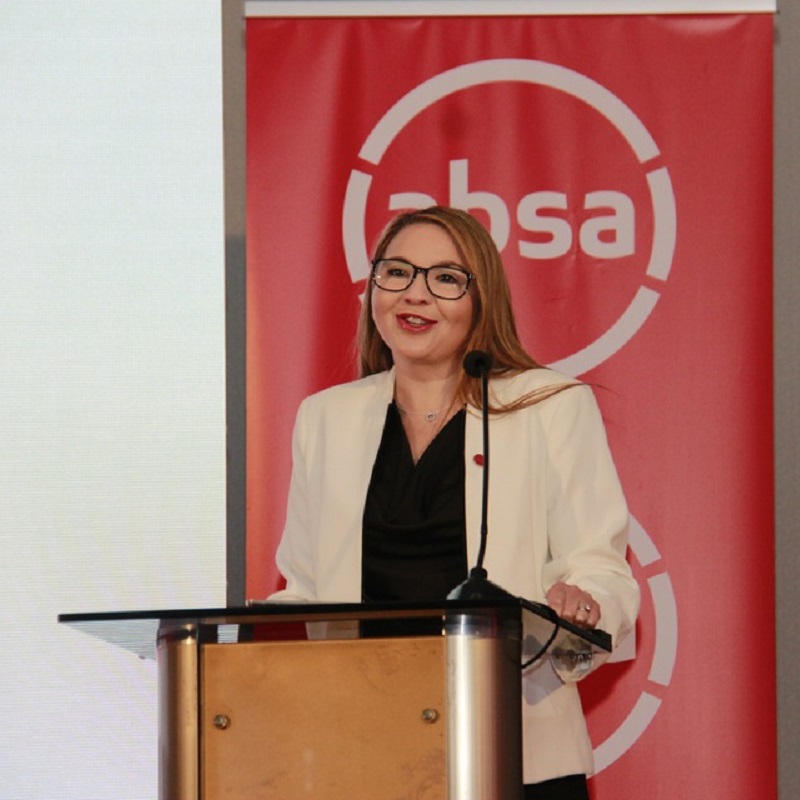
Somaya Joshua, Head of Commercial Property Finance for the Africa region (outside South Africa) at Absa Group, and the lead sponsor for this year’s summit says, “Our commitment extends far beyond bricks and mortar, as we forge sustainable partnerships with our clients, collectively shaping the trajectory of Africa’s future. We take immense pride in once again sponsoring the East Africa Property Investment (EAPI) Summit in Nairobi, where we’ll convene to share insights and explore innovative opportunities within the built environment as we continue to support the ongoing growth and development of the sector.”
Mi Vida, which is tackling the lack of affordable housing for middle-income families by building at least 3,000 homes suited to this market in the immediate term is a gold sponsor of #EAPI2024. Residential developer Mi Vida is a joint venture between Actis, a leading growth markets investor active in the region for over 70 years and Shapoorji Pallonji Real Estate (SPRE), the real estate arm of one of India’s largest conglomerates.
Samuel Kariuki, CEO of Mi Vida, a gold sponsor of EAPI2024, says, “As we continue to successfully unlock the investment potential for institutional grade affordable housing in the Kenyan Market, we are extremely proud to sponsor the EAPI Summit in Nairobi and be a part of showcasing the attractive opportunities and real estate expertise in our exciting market. We are seeing strong investor demand for residential properties that balance quality and affordability, especially in mixed-use settings.”
Niyi Adeleye, Head of Real Estate Finance – Africa Regions at Standard Bank Group, a gold sponsor of this prominent gathering, says, “Standard Bank remains committed to the Eastern African markets such as Kenya, Tanzania, Uganda and others, as well as key gateway cities such as Nairobi, Dar es Salaam and Kampala where we expect ongoing growth in client activities. Our key objective remains to continue to support the aspirations of our new and existing customers in these key East African cities. The EAPI platforms offer a valuable space for client engagement and for sharing industry and sector thought leadership perspectives with key market participants for the deepening and development of the markets.”
Kenneth Mbae is Managing Director of Centum Real Estate, Kenya, the silver sponsor of this unmatched East Africa real estate gathering. Centum Real Estate is a leading force in shaping urban areas in East Africa into vibrant and desirable locations, having built over 1,200 homes, managing an asset portfolio worth more than 40 billion Kenyan shillings across 11,000 acres of multifunctional spaces. Mbae says, “As proud sponsors of the EAPI summit, we appreciate the platform it provides to exchange ideas with industry peers, stay updated on emerging industry technologies, and most importantly, connect and directly engage investors and prospective homeowners keen on exploring our lucrative opportunities in Kenya and Uganda.”
Our commitment extends far beyond bricks and mortar, as we forge sustainable partnerships with our clients, collectively shaping the trajectory of Africa’s future

The comprehensive agenda for the upcoming #EAPI2024 summit features a wide variety of sessions catering to the diverse interests within the industry. A dedicated session will delve into “East Africa’s Position in a Changing World Order,” which promises an insightful discussion on the major macroeconomic factors influencing the built environment within the region.
Another highpoint includes a comprehensive review titled “The Institutionalization of Real Estate in East Africa.” This session will examine the triumphs and challenges encountered in developing leading projects in the region. It aims to shed light on what investors and tenants or buyers prioritise when it comes to real estate opportunities.
A particularly interactive session is set to be a Q&A on “Global Monetary Policy,” where experts will analyse the implications of fluctuating interest rates on the regional economy, sovereign debt and the built environment. This will provide attendees with a deeper understanding of the financial forces at play in the real estate sector.
For those interested in industrial development, the “Industrial & Warehousing in an Emerging Context” session will address how to unlock and reposition for local industrial demand, including a review of regulations, Special Economic Zones (SEZs), Export Processing Zones (EPZs), and tenant demand.
This year will see new additions to the programme, including an exciting Retail and Concept Forum (18 April), the expansion of the Hospitality Forum (17 April), as well as the Proptech (18 April) and Affordable Housing sub-Forums (18 April).
Focusing on the hospitality industry, the “Hotels: Coastal Trends” session will unpack the opportunities and trends along the East African coast. The talk will address various aspects, including leisure and lodges, providing an in-depth look at the potential and challenges that lie within the coastal hospitality scene. The conference will also feature a session on “Hotels: Short Term Rentals & Residences Market in East Africa,” zooming in on demand, supply, management, design and off-takers. This is an area of growing importance in the region’s real estate landscape.
The deep dive into the world of retail property will include discussions on how international franchises and new players can penetrate the regional market. Additionally, a session dedicated to “Retail: Neighbourhood Convenience” will explore the potential for continued growth in this sector and compare the advantages of convenience stores versus traditional malls, providing valuable insights for attendees interested in retail real estate development.
Murray Anderson-Ogle, GM of Marketing and Commercial at API Events, says, “If you’re invested in Africa or interested in the many different aspects of real estate, this opportunity to access networking, dealmaking and insights in one of the continent’s most dynamic markets cannot be missed. #EAPI2024 will once again set the property agenda.”
The 11th East Africa Property Investment Summitt will take place on 17-18 April 2024 at Radisson Blu, Upper Hill, Nairobi, Kenya. For more information and to book to attend the EAPI Summit visit https://EAPISummit.com.
Distributed by APO Group on behalf of API Events.













Business
Creative Africa Nexus (CANEX) WKND 2026 opens in Lagos, bringing together leading African and diaspora creatives, investors and policymakers

Business
Coca-Cola system invests USD 1.22 million to strengthen water security in Namibia

Business
‘Power, Protect, Purchase’: Africa Made It unveils blueprint to capture USD 34B in GDP and accelerate African industrial sovereignty

Africa Practice research shows that Africa exports up to 98% of its raw cotton overseas and captures only 2% of its total value while incurring a USD 35 billion annual trade deficit


African culture, design, and storytelling influence global fashion, music, and media like never before
Africa Made It is driven by a consortium of leading pan-African organisations, advocacy groups, and media organisations who are positioning Africa as a global investment hub. Its flagship campaign, spotlighting the fibre-to-fashion value chain, presents a clear roadmap for continental industrialisation: securing competitive energy power for local industrial mills, enacting policy measures to protect emerging domestic manufacturers from unfair foreign imports, and rallying African consumers to purchase locally manufactured apparel. Together, these three pillars ensure that value created from African resources remains on African soil.
Africa Practice research shows that Africa exports up to 98% of its raw cotton overseas and captures only 2% of its total value while incurring a USD 35 billion annual trade deficit. Building the continent’s domestic processing capacity in spinning, weaving, and sewing locally produced cotton will sustain nearly two million permanent industrial jobs and inject approximately USD 33 billion directly into domestic household incomes every year, in addition to a recurring contribution of USD 34 billion to the continent’s GDP.
While these figures reveal the immense macro-economic potential of the value chain, the true heart of this transformation lies in its human impact. Industrial wages and local lint purchases leading to increased capital circulation in rural communities can drive community micro-economic vitality and contribute to rural poverty reduction. Additionally, formal employment opportunities can expand drastically for women, as they currently make up between 70-90% of garment factory workers on the continent.
Realising this vision and changing the lives of millions of people requires a deliberate combination of targeted investments, supportive trade policies, and consumer mobilisation. A USD 1.8 billion capital allocation toward critical structural enablers for garment transformation is the foundation for bridging Africa’s missing middle in the fibre-to-fashion value chain.
Marie Wilke, editor-in-chief of the Africa Made It magazine, said, “African culture, design, and storytelling influence global fashion, music, and media like never before. Yet, without domestic manufacturing infrastructure, Africa’s creative authority yields very little economic return. Linking raw cotton harvest directly to local processing ensures that the intellectual property, commercial margins, and industrial jobs remain on the continent. It is time to wear our power.”
To learn more about the potential of Africa’s fibre to fashion value chain, watch the campaign video (https://apo-opa.co/4BKAIvY) or read the Africa Made it (https://apo-opa.co/4zvA5VF)magazine (https://apo-opa.co/4zvA5VF). Access the campaign website and resources in English (https://apo-opa.co/4zvA5VF) and French (https://apo-opa.co/4zrK8e2).
Distributed by APO Group on behalf of Africa Made It.
-

 Business4 days ago
Afreximbank supports Veenocks’ US$145 million project for industrial expansion and regional growth
-

 Business4 days ago
Visa and Senegal join forces to accelerate digital transformation and the development of digital payments
-
Business4 days ago
Afreximbank Country Brief Explores Gabon’s Reform Momentum and Diversification Drive
-

 Business4 days ago
Oando Production Hits 42,985 boepd as Revenue Grows 9% in 9M 2026
-
 Business4 days ago
5 Investment Opportunities Putting Congo Energy & Investment Forum (CEIF) 2027 on the Map for Central Africa
-

 Energy4 days ago
Energy costs, storage value and industrial competitiveness led Day 2 of C&I Energy + Storage Summit
-
Business4 days ago
Afreximbank Country Brief Charts Côte d’Ivoire’s Rise as a Regional Growth Leader in West Africa
-

 Business4 days ago
Smarter power systems bring new demands for integration, security and infrastructure